Source : THE AGE NEWS
I returned to work after the long weekend in Melbourne and the office was buzzing with chatter about the AFL Grand Final. I am not a footy fan, so usually don’t really participate in such discussions, but I had been invited to a grand final party and watched the game this year. I have to admit it was very exciting.
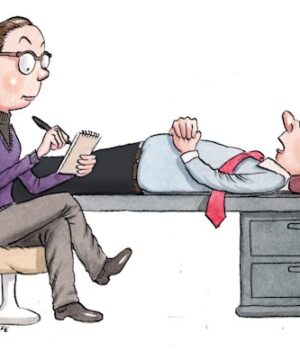
Unfortunately, I seem to have made a bad mistake on the Monday after. I innocently asked what “Wharfie Time” was, something I hadn’t got a grasp of on the day. A colleague replied with words along the lines of: “It was a disaster – that’s what it was”. Then another colleague who wasn’t part of the conversation, but was within earshot, became very upset. We haven’t seen them since. What did I accidentally bring about?
The person who became upset and fled the scene was unquestionably a Fremantle supporter. The Fremantle Dockers are the AFL’s second Western Australian team. They joined the league in 1995. Unlike their larger cousins, the West Coast Eagles, who joined in 1987 and had won the premiership (finished the champions of the entire competition) within six years, the Dockers have never reached that pinnacle.
Saturday’s game was their best chance to break their drought. They had finished on top of the ladder at the end of the home and away season (the part of the football calendar that precedes finals) and at times looked invincible.
The grand final was a brilliant, close-fought game, but with less than five minutes to go in the last quarter, it looked like Fremantle had repeated a pattern that had defined their season: they had weathered the best football their opponent could muster and had accelerated towards victory.
In short: never underestimate the power of football to affect people’s emotions.
This is where Wharfie Time comes in.
What you saw on the telecast was a kind of in-game celebration (I’ve seen it referred to as an “activation”, a term that makes me want to gag). I’d call it a crowd provocation in the form of a strange assortment of in-jokes and homages. Until the grand final, it had only happened twice before. Only this season. And only at Fremantle’s home ground in Perth. Fremantle sought permission from the AFL to use it at the grand final (under the right circumstances), and the AFL reportedly encouraged it.
“Wharfie” is the Australian term for a dockworker, a name originally considered by the club administrators as the football club’s nickname, but sidestepped due to perceived political connotations. In 2009, however, the Dockers’ captain, Matthew Pavlich, addressed the playing group before a match while wearing a mic and implored his team to “Put on your superman capes, boys! It’s wharfie time!” (They lost the game comfortably.)
The whole thing starts with a baleful funeral toll, taken directly from the AC/DC song Hells Bells. In Perth, the lights go out at this point, and it’s here that the similarity to the entrance of The Undertaker in WWE wrestling is impossible to ignore. In this way, it’s not just “sports entertainment,” it’s a pastiche of sports entertainment. A reference on top of a reference on top of a reference.
While DNG! DNG! DNG! echoes through the arena, the words “WHARFIE TIME” appear on the stadium screen and the crowd goes berserk. This all happened, with the exception of the lights, at the MCG on Saturday afternoon.
A bit of fun? Maybe. Hindsight is a wonderful thing, but I would certainly say it was ill-advised in a grand final against a team notorious for never being beaten. In a game where the gods can be so capricious, never tempt fate.
Immediately after this iteration of Wharfie Time, Brisbane commenced one of the greatest (and probably the fastest) comebacks in grand final history, kicking an almost unimaginably brilliant four goals in four minutes. After the game, numerous Brisbane players referred to the gimmick as a catalyst for their late surge.
So that’s the potted history. Let’s address the question of what you accidentally brought about? Football trauma, plain and simple.
And this is the problem of office footy chat. It’s a great tradition – in Melbourne, certainly, and I’m sure throughout Australia. But for those not versed in the intricacies and earnestness of a certain kind of deep supporterdom (and for those who are, but have never truly fallen in love with a club), a stray word or off-hand comment on a Monday morning can cause great pain.
This wasn’t your fault. It probably wasn’t even the fault of your blunt colleague – although surely if they knew there was a Dockers supporter nearby they could have been a touch more tactful. But it does highlight the fact that a thing undertaken in fun – whether that’s a water cooler chat about a weekend event or a premature celebration of a seemingly certain victory – can easily go sideways.
In short: never underestimate the power of football to affect people’s emotions.
 Jonathan Rivett is a writer based in Melbourne. He’s written about workplace culture and careers for more than a decade.