

Source : THE AGE NEWS
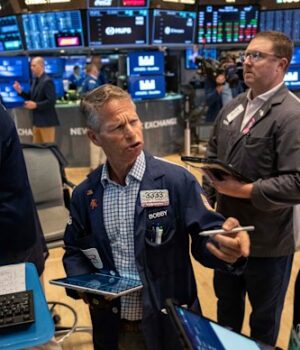
The price of oil rose and stocks fell on Wall Street after the US launched its first military action in a month against Iran.
The S&P 500 index fell 0.5 per cent. The Dow Jones Industrial Average fell 333 points, or 0.6 per cent. The Nasdaq fell 0.4 per cent.
The Australian sharemarket is set to retreat, with futures at 4.54am AEST pointing to a fall of 31 points, or 0.3 per cent, at the open. The ASX lost 0.2 per cent on Monday. The Australian dollar was trading at US71.64¢.
The indexes are on pace to close out August with gains after the S&P 500 and Nasdaq lost ground the previous two months.
Monday’s losses were broad, with nearly every sector within the benchmark S&P 500 in the red. Energy stocks, though, gained ground. Exxon Mobil rose 1.7 per cent and Chevron rose 1.5 per cent.
On the losing side, Edison International slumped 23.8 per cent and PG&E fell 18.8 per cent for two of the steepest declines. That followed reports about potential California wildfire legislation that would allow insurers to sue utilities over related claims.
The US war with Iran remained a key focus for Wall Street. US forces struck Iranian rocket launchers on the Strait of Hormuz on Sunday. Meanwhile, the United Arab Emirates said it intercepted an Iranian drone over its waters on Monday.
The aggressive actions follow a lull in activity in the US war with Iran, which has lasted more than six months.
The war has curtailed traffic in the Strait of Hormuz, which accounts for about 20 per cent of the world’s oil shipments. Oil prices remain high after an initial surge earlier in the war and that has made everything from gasoline to shipped goods more expensive.
The price of Brent crude, the international standard, rose 2.8 per cent, to $US90.59 per barrel on Monday. The price swung between $US72 and $US102 last month amid rising and falling hopes for a deal to end the war.
The national average for gasoline in August has been above $US4 per gallon every day of the month for the first time ever, according to the AAA. It has been the most expensive August at the pump on record, outpacing even the enormous supply chain crunch during the COVID-19 pandemic in 2022.
Higher energy prices because of the war have fuelled already stubbornly high inflation. That has been weighing on household spending and consumer confidence. It has also given the Federal Reserve a more complicated path ahead for its interest rate policy.
The rate of inflation remains well above 3 per cent, which is far beyond the Fed’s 2 per cent target. Wall Street expects the central bank to raise interest rates at least once before the year ends in an effort to cool inflation. On Friday, Fed Chair Kevin Warsh said that inflation is still too high and suggested a rate hike might be necessary in the coming months.
The Fed gets its next inflation update on Sept. 11, just days ahead of its next meeting to determine interest rate policy. Wall Street is forecasting a 66 per cent chance that the Fed will raise its benchmark rate at that meeting, according to CME FedWatch.
“While a September hike is not a foregone conclusion, we expect the Fed to have limited tolerance for meaningful upside inflation surprises,” wrote Brock Weimer, investment strategy analyst at Edward Jones, in a research note.
The yield on the two-year Treasury, which closely tracks expectations about Fed moves, rose to 4.35 per cent from 4.34 per cent late Friday. That’s up significantly from about 3.50 per cent at the beginning of 2026.
The yield on the 10-year Treasury rose to 4.75 per cent from 4.73 per cent late on Friday. That’s back up around the level seen two weeks ago when the Trump administration took the unusual step of announcing it would intervene in the bond market.
The job market remains resilient, but is showing signs of weakening. Any increase to interest rates that could cool inflation also risks hurting the jobs market.
Later this week, the US reports August jobs data. In July, the US job market stalled unexpectedly as employers cut 23,000 jobs. Labor Department revisions slashed another 103,000 jobs from May and June payrolls.
Company updates helped move several stocks Monday. GameStop jumped 3.4 per cent after the video game retailer provided a preliminary second-quarter earnings outlook above its year-ago results. Shares of Aon fell 7.6 per cent as the company announced that it was buying insurance broker USI Insurance Services from private equity firm KKR in a deal valued at $US17 billion, including debt.
Markets were mixed in Europe and Asia.
AP
The Market Recap newsletter is a wrap of the day’s trading. Get it each weekday afternoon.


