Source : Perth Now news
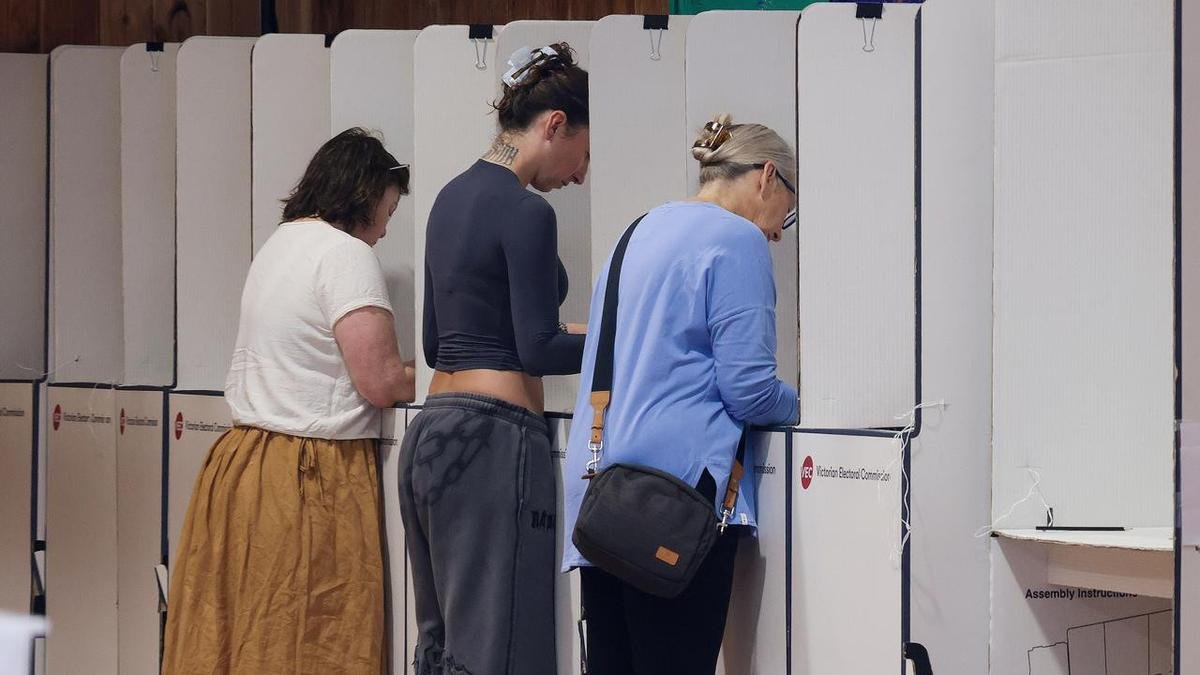
Young people will make up about 10 per cent of the vote in Victoria’s upcoming state election, raising questions about the impact of disinformation online where the majority get their news.
Most voters between the ages of 18 and 24 get their news from social media and about half say it comes from TikTok, Victoria’s Electoral Commissioner Sven Bluemmel told a Monash University forum.
The November 28 election will be the biggest in the Victoria’s history with 4.7 million people registered to vote, of whom about 75,000 will cast a ballot for the first time.
Mr Bluemmel said there were efforts being taken to combat disinformation and misinformation online in the lead up to the election, but young people might not be the biggest concern.
“In terms of media savvy, I actually think young people are pretty damn good,” he said.
“There’s a lot of thinking ‘oh, young people, they’re not informed about politics, they’re not informed about democracy’.
“I don’t see that; I think they are, they just express it in different ways, and they get their information in different ways.”
Efforts to target disinformation and misinformation, such as watermarks and regulation, could only be so effective, Mr Bluemmel said.
The Australian Electoral Commission’s “Stop and Consider” encourages people of all ages to take the time to consider the nature of the online information as they are responding to it.
“I think the single best thing we can do is …. whatever we can to make the people more informed,” Mr Bluemmel said.
“In military parlance, you’d call it target hardening.
“You can’t stop the enemy from launching the missile, but you can make a stronger shield.”
Monash senior politics lecturer Benjamin Moffitt agreed young people might actually be less susceptible to online untruths.
“I actually think young people are probably the most media literate generation around,” he said.
“Just because of the environment you grew up with.
“To some extent I worry less about young people and (political) silos than kind of Facebook boomers”
Dr Moffit said many young people were actually aware of the policy side of things, and that in many cases they were getting the short end of the stick on issues such as housing.
“Both parties have no interest in young people,” he said.
“We could have all the misinformation and disinformation stuff in the world, but if the policies that are on offer are crap for young people, that’s not going to change a thing.”
Mr Bluemmel said despite democracy being under constant pressure from threats including the changing online environment, he was overall positive about its future.
“Despite all of these changes, the one thing for me that has not changed is, you get one vote, I get one vote,” he said.