Source : INDIA TODAY NEWS
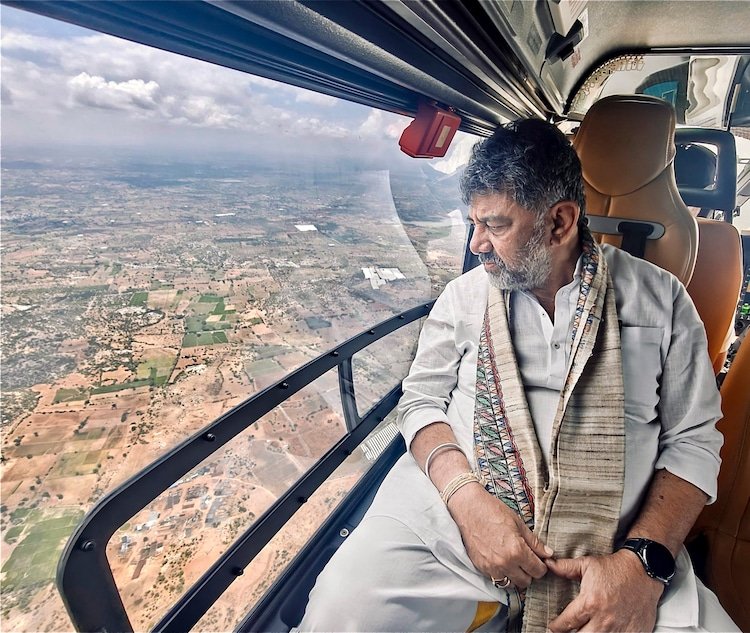
Water shortages are putting pressure on households and farmers across Karnataka and Andhra Pradesh after a deficient monsoon left large parts of the two states facing drought.
The crisis has raised concerns about drinking water, crop losses and the ability of reservoirs and groundwater reserves to meet demand in the coming months.
advertisement
The scale of the problem is reflected in the number of areas officially declared drought-hit, even as both states seek assistance to deal with the damage.
But the crisis is not simply about how much rain fell, but also exposes the vulnerability of regions that depend heavily on seasonal rainfall and have limited water reserves to fall back on.
A MONSOON THAT UNDERPERFORMED
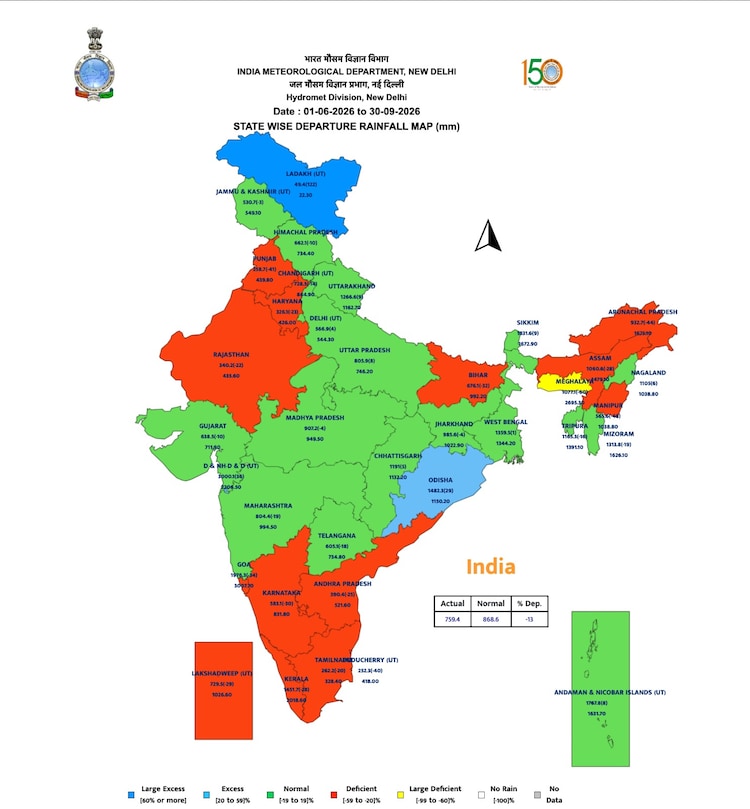
India Meteorological Department (IMD) data from its Hydromet Division show that Karnataka saw a 30% rain deficit while Andhra Pradesh received 25% less rain than normal between June 1 and September 30, 2026.
The rain deficits for both states meant that they missed out on nearly a third of their monsoon rainfall.
The shortfall has been particularly damaging in drought-prone parts of interior Karnataka and Andhra Pradesh’s Rayalaseema region, where farming and household water supplies depend heavily on seasonal rain.
Karnataka has declared 217 of its 240 sub-districts drought-hit.
Meanwhile, in Andhra Pradesh, 388 of 688 subdistricts across 21 districts have been declared drought-affected for the 2026 kharif season. Of these, 283 are classified as severely affected and 105 as moderately affected.
LESS RAIN, DRIER TAPS
When rain falls short, reservoirs and village tanks may not fill adequately, and to make matters worse, less water seeps underground to replenish the reserves that supply wells and borewells.
Farmers in the region often turn to groundwater when rainfall fails, adding pressure on already stressed reserves. As water levels fall, borewells can run dry, leaving households dependent on tankers or limited public supplies.
However, a rainfall deficit does not automatically mean every area faces the same shortage.
Existing reservoir storage, local groundwater levels, demand and water management all influence how severely communities are affected.
WHAT HAPPENS NEXT?
The immediate challenge is to protect drinking water supplies and help farmers cope with crop losses.
Under the drought-assessment framework, state declarations and requests for central assistance are examined using multiple indicators, including agricultural damage and water availability.
An Inter-Ministerial Central Team assesses the situation before eligible assistance from the National Disaster Response Fund can be considered.
Emergency relief, however, cannot guarantee water security in future years.
Better rainwater harvesting, groundwater management, efficient irrigation and crop choices suited to local conditions are essential to reduce the damage when the next weak monsoon arrives.
– Ends
SOURCE :- TIMES OF INDIA