

source : the age
A further 20 cases of H5N1 bird flu have been recorded nationwide, and several more are likely to be confirmed soon, in signs the deadly virus has taken root in Australia.
There have now been 53 cases recorded overall.
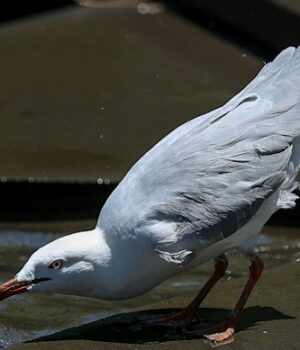
In its latest updates, the federal Department of Agriculture, Fisheries and Forestry confirmed a further 20 birds from Kangaroo Island and the south-east coast of South Australia had tested positive, including a silver gull found at the town of Robe.
Australia’s Chief Veterinary Officer, Dr Beth Cookson, said this was the first detection ever in a silver gull in Australia.
An agriculture department spokesperson said all the infected birds so far were wild seabirds found in coastal locations.
“There remain no detections in poultry or in our agricultural production system,” the spokesperson said.
Testing in the latest cases was confirmed at the CSIRO’s Australian Centre for Disease Preparedness.
Australians are now being warned to brace for mass deaths in seabird colonies and marine mammals, as the infectious disease spreads.
While the risk to human health from the virus remains low, experts are concerned about the effect it could have on the nation’s seabird colonies – and as such wider ecosystems – as well as the poultry industry. In 2024, a different strain of bird flu led to authorities killing 2 million chickens, disrupting egg supplies.
The latest government update has come less than 48 hours after the H5N1 variant of the virus was detected in Victoria for the first time, in a crested tern in Portland.
In its latest update, Agriculture Victoria said it had detected a further six suspected cases in crested terns, also from the Portland and nearby Nelson Bay areas.
Burnet Institute chief health officer Suman Majumdar said a confirmed case in a seagull was significant.
“Gulls move between beaches, wetlands, farmland and urban areas, which could carry the virus into a much wider range of wildlife, poultry and environments,” he said.
Associate Professor Majumdar said overseas experiences with this strain suggested Australia should expect further spread along coastlines, mass mortality events in seabird colonies and marine mammals, and rising detections in the weeks ahead.
“What we are seeing now is the early part of that curve,” he said.
Agriculture Minister Julie Collins vowed to do everything she could to help protect Australia’s wildlife, agricultural industries and the national economy.
More to come
With AAP


