

source : the age
When a brush turkey named Eureka was spotted in the Sydney suburb of Lugarno five years ago, Evelyn Anderson-Ho, a bird rescue expert, was surprised to see one south of Sydney Harbour.
After another settled in her Gymea garden, they seemed to be everywhere. “What is this chicken thing?” Anderson-Ho, a Wires volunteer, was asked.
Before 2000, Australian brush turkeys had been recorded in 20 Sydney suburbs, mostly on the north shore and northern beaches.
According to new data on the citizen science app Big City Birds, the native birds have now been recorded in 300 suburbs, said zoologist and project co-founder Dr John Martin.
Martin expects the turkeys will spread further south and west.
Twenty years ago, the ibis was the poster child for conflict between humans and birds, but the brush turkey had emerged as a competitor for the headlines, Martin said.
As they have proliferated, brush turkeys have become more brazen, vying with the ibis for human food. “They have become the cafe bird jumping on tables,” said Martin, who has seen a brush turkey swoop to steal what remained of a burger.
Nobody understands how brush turkeys – unusual birds that mostly walk – had crossed Sydney Harbour, said Martin, principal ecologist with Biosys. He would like to wing-tag and use GPS to find out.
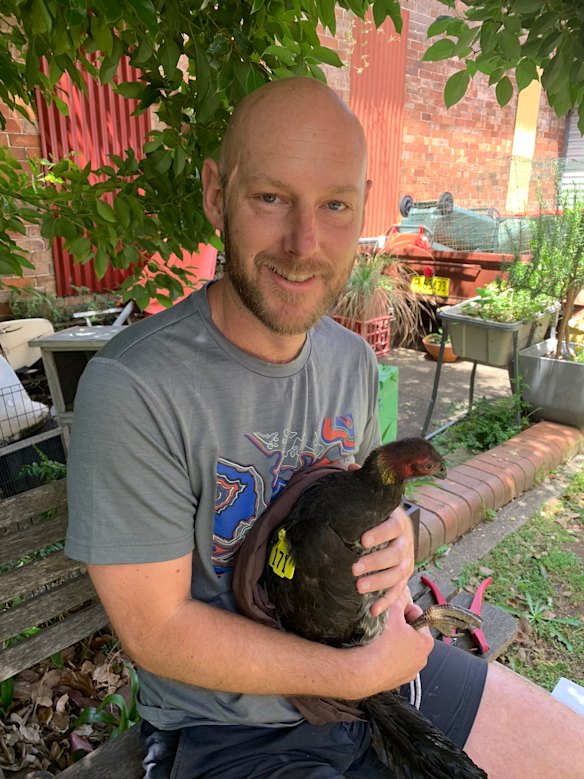
Unlike Australia’s white ibis, which can fly 10 to 20 kilometres in 30 minutes on a good day, it would take months for a brush turkey to walk from Mosman to Hornsby.
Its chicks disperse by flying short distances. “But they still can’t fly across Sydney Harbour,” Martin said. Except for short flights to evade a predator, most brush turkeys travel by foot, and walk along branches where they roost.
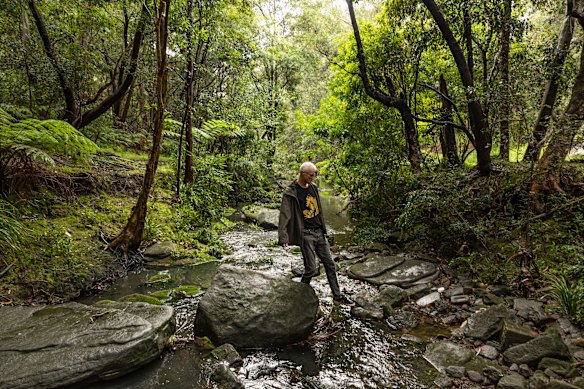
Others suggest the brush turkeys are going to Sydney’s west and then south.
In addition to the ibis and the turkey, the Big City Bird app focuses on sightings and behaviour of three other birds: the sulphur-crested cockatoo, little corella and long-billed corella. Other bird sightings can be registered.
On Prime Minister’s Walk in Bardwell Park in Sydney’s south, brush turkeys – also known as bush and scrub turkeys – have been strutting their stuff. Local Stephen Hutchinson said they were unperturbed by his dogs or the rain, and he often saw groups on the ground or roosting in the trees.
Not far from there, resident Len Rankin saw an impressively large and handsome brush turkey stride across a busy road in Bexley, far away from bush or gardens. It barged through an ibis posse and hopped over the wall of a unit block.
“In 25 years, I haven’t seen a brush turkey in this corner of our world,” he said on Facebook. Others replied with sightings from Carss Park to south Marrickville, Peakhurst, Botany, Carlton and Dolls Point.
While it is a protected species, many people see the brush turkey as a pest because it digs up gardens to get organic material for its nests.
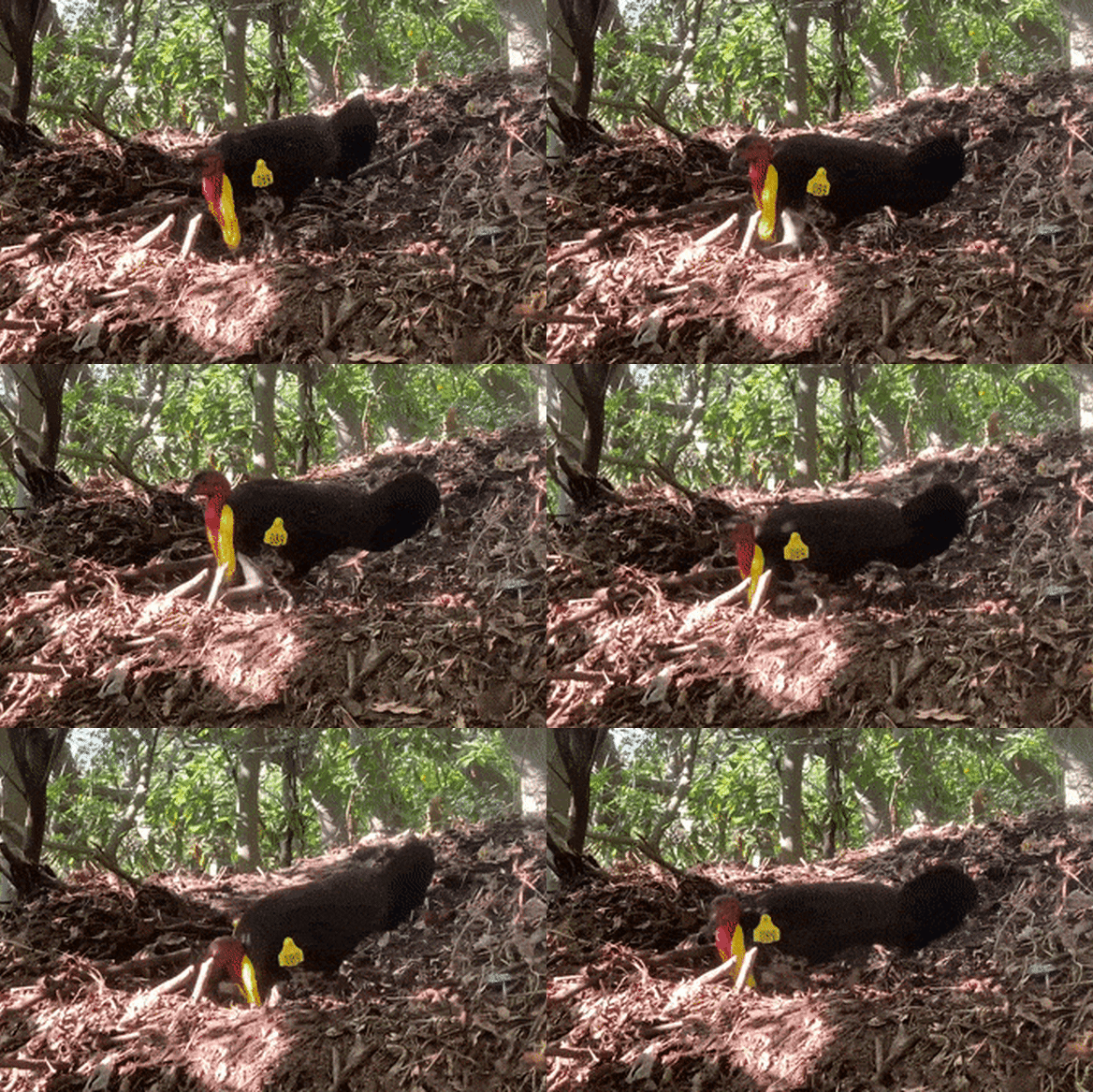
Martin said the turkey performs an ecological role. The male turkey rakes through the leaf litter and scratches the ground for vegetation to create a nest mound – about three tonnes of leaf litter, raked into a pile.
It adds and subtracts material to keep the mound at the right temperature to hatch a brood of 30 to 50 eggs across the six-month breeding season that usually begins in the next month or so.
Brush turkey behaviour
- The Australian brush turkey is a megapode, a rare species that incubates its eggs in a large mound.
- The male cares for the mound that can be as wide as four metres in diameter and a metre high.
- The male does not sit on the nest, but maintains it at a constant temperature of 33 to 38 degrees by digging holes in the mound and inserting its bill to check the heat.
- Its bill is sensitive to small changes in the temperature, and the male bird adds or removes vegetable matter as required.
- Eggs are laid by several females in a single mound. The eggs are incubated by the heat given off by the rotting vegetation.
- Compared with most species, young chicks are left to fend for themselves. Hatchlings are able to walk and fly just a few hours after hatching.
- Only one in about 200 chicks survive. In a clutch of 30 to 50 eggs, sometimes few chicks or none will survive.
Source: The Australian Museum
Martin’s interest started with the Australian white ibis, “a species that is misunderstood, yet well established as being a nuisance”.
Many people want to know how to stop the brush turkeys digging up their plants, with some buying cheap mirrors for their gardens.
“When things change in our environment, we struggle with that,” Martin said. He understands it can be hard. “When one starts digging in your garden, you think, ‘You little s—’,” he said.
“They’re awesome,” he said. “They should be more respected and loved because they are unique.”
Brush turkeys are one of 50 species that use decomposing organic matter to incubate their eggs, rather than their own body temperature.
Now protected under the Biodiversity Conservation Act 2016, the species was nearly wiped out during the Great Depression, when its eggs and meat were a source of free food.
While the birds have surged in Sydney, the population in the Nandewar and Brigalow Belt South bioregions of northern NSW has been listed as endangered under threatened species legislation, said a spokesperson for NSW National Parks and Wildlife Service.
Martin added a cautionary note about data collected from observations by citizen scientists. Community participation had increased because of smartphones, mobile data and apps over the past 15 years. Older data was accurate but likely underrepresented populations.
Start the day with a summary of the day’s most important and interesting stories, analysis and insights. Sign up for our Morning Edition newsletter.


