

Source : INDIA TODAY NEWS
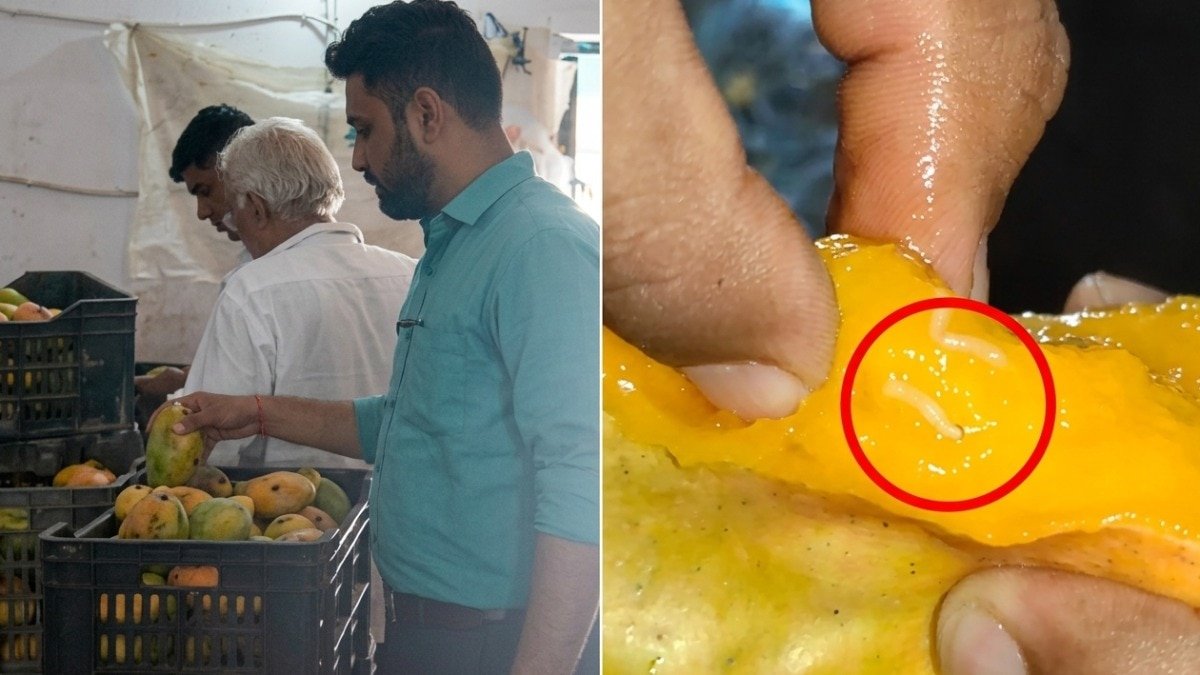
At the peak of mango season, a food safety raid in Gujarat has triggered concern among consumers after authorities allegedly discovered a large stock of worm-infested, rotten and fungus-covered mangoes that were intended for juice production. Officials seized the fruit before it could be processed and released footage of the inspection, bringing renewed attention to food safety practices in the food processing sector.
advertisement
Legal action has reportedly been initiated against those responsible.
WHAT WAS FOUND DURING THE RAID?
According to information shared by food safety authorities, the inspection took place at a juice production unit in Mehsana, Gujarat. Officials allegedly found large quantities of spoiled mangoes showing signs of rot, fungal growth and worm infestation. The stock was seized before processing and distribution.
The incident comes amid a series of food safety crackdowns involving adulterated mango pulp, stale mango products and contaminated food ingredients in different parts of the country.
Watch video here:
CAN ROTTEN OR FUNGUS-INFESTED MANGOES MAKE YOU SICK?
Health experts generally advise against consuming fruits that show visible signs of mould, fungal growth, decay or insect infestation.
Rotten fruit can harbour bacteria, fungi and other microorganisms that may cause:
- Stomach pain
- Nausea and vomiting
- Diarrhoea
- Food poisoning
- Intestinal infections
The risk may be higher for children, older adults, pregnant women and people with weakened immune systems.
DOES BLENDING OR JUICING MAKE IT SAFE?
No. Processing spoiled fruit into juice does not necessarily eliminate all health risks.
If contaminated fruit is used during production, harmful microorganisms or toxins may still be present in the final product. This is why food safety regulations require manufacturers to use fresh, safe and properly stored raw materials.
HOW TO SPOT SPOILED MANGOES
Consumers can look for a few warning signs before buying or eating mangoes:
- Visible mould or fungal patches
- Soft, leaking or excessively mushy areas
- Unpleasant fermented smell
- Presence of insects or worms
- Dark, sunken spots spreading across the fruit
If a mango shows extensive spoilage, experts recommend discarding it rather than cutting away the affected portion.
ALSO READ: Soaking mangoes before eating: Does it really improve health? Nutrition explain
WHY FOOD SAFETY MATTERS DURING MANGO SEASON
Mangoes are among India’s most popular summer fruits, leading to a sharp rise in demand for fresh fruit, pulp and juice products.
Authorities have carried out multiple raids this season involving suspected adulterated mango pulp, stale mango products and chemically treated fruit.
The Gujarat seizure serves as a reminder for consumers to purchase fruit and fruit-based products from trusted sources and to pay attention to signs of spoilage before consumption.
For now, the mangoes found during the Mehsana raid have been removed from the supply chain, but the incident has once again highlighted the importance of food safety checks during the busy summer season.
– Ends
SOURCE :- TIMES OF INDIA