Source : the age
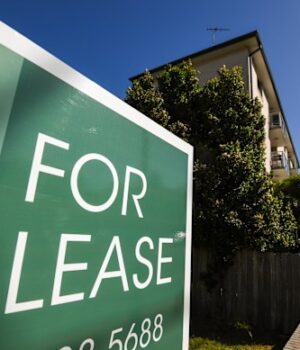
Renters would be offered at least two-year tenancy deals and billions of taxpayers’ dollars spent on new public housing under a plan from the ACTU as it pushes for the Albanese government to build on its negative gearing and capital gains tax reforms.
As new figures suggest tentative signs of a slowdown in runaway rents, particularly in regional parts of the country, the union movement believes the nation’s millions of tenants need greater protection from “rent-gouging professional landlords”.
The ACTU backed the May budget overhaul of property taxes that, combined with higher interest rates and low affordability, have contributed to a slowdown in property prices. Economists are tipping falls of up to 14.5 per cent in Sydney over the next 18 months before a recovery in 2028.
The drop in prices comes off a peak that has left almost every capital city among the most expensive in the world. Rents have also soared by more than 20 per cent since the end of the freeze on increases introduced during the early stages of the COVID pandemic.
ACTU president Michele O’Neil said there had to be better protections for renters, especially over the length of their tenancy agreements.
She said the minimum tenancy should be increased from one year to two, with renters able to negotiate a shorter period if they wanted.
“Our housing system should reflect the reality that millions of working people are renters. Workers deserve not only secure jobs, but also secure housing. Unions want to see renters with stronger rights, better protections against evictions and more secure leases,” O’Neil said.
“Doubling the default rental standard from one to two years would still allow renters to choose shorter leases, but it would give workers more certainty and stability to plan their lives.”
On top of longer leases, unions want a national regulator of all rentals and tighter eviction procedures.
Apart from increasing tenure security for renters, the ACTU on Wednesday will also launch a campaign for a major increase in government spending on public housing.
It wants the state and federal governments to set a target of 10 per cent of all new housing stock to be public housing, with the aim of 6 per cent of all homes being public.
There are about 300,000 public homes in Australia at present. Ten per cent of all new homes would add 20,000 properties to the stock of public homes each year.
“Under the Hawke government, one in 10 new homes built were public housing, but today that’s closer to 1 in 50. If we’re serious about fixing the housing crisis, we must increase public housing stock to free up homes in the private rental market and make renting more affordable for everyone,” O’Neil said.
On Tuesday, shadow treasurer Tim Wilson accused the Albanese government of deliberately pushing up rents to contribute to a lift in inflation to help its budget bottom line.
“We have an active inflation agenda from the Albanese government, and it’s leading to higher rents by design in their budget so they can get more tax revenue,” he said.
Treasurer Jim Chalmers rejected suggestions the budget changes would lead to a surge in rents, noting Treasury had estimated the budget tax changes would add less than $2 a week to the median rent.
“The best way to assess the impact of these policies is over the next couple of years, not over the first couple of months,” Chalmers told the Nine Network.
“Building more homes is our primary objective, but also reforming the tax system to make it fairer for first home buyers. Those two things over time will pay off.”
Research released on Wednesday by Cotality suggests some of the heat is coming out of the rental market.
In an update on regional property markets, it found that vacancy rates – although still well below long-term average – had increased over the past three months with a slight slowdown in rents.
Sydney’s vacancy rate has climbed to 2.1 per cent, after hovering close to 1 per cent for much of the past two years. In Melbourne, it has increased to 1.5 per cent after being around 1.1 per cent for much of 2024.
The tightest rental markets are in regional Australia, including 0.8 per cent in the NSW coastal centre of Forster-Tuncurry and 0.9 per cent in the Victorian regional city of Warrnambool.
Cotality’s head of research Gerard Burg said regional property markets were starting to soften like the capital cities.
“Rental growth has moderated alongside broader housing market conditions, but vacancy rates remain relatively tight across many regional centres,” he said.
Cut through the noise of federal politics with news, views and expert analysis. Subscribers can sign up to our weekly Inside Politics newsletter.
 Shane Wright is a senior economics correspondent for The Sydney Morning Herald and The Age.Connect via X or email.