Source : the age
The Coalition and One Nation are both gearing up to fight Labor’s social media regulations to be unveiled next week, warning Prime Minister Anthony Albanese against any moves that might curb free speech.
Albanese, as first reported in this masthead, will next week outline a new digital duty of care that could give Australians a right to use social media feeds free of algorithms and force platforms to stop harm before it occurs rather than respond to individual complaints about content.
The prime minister and Treasurer Jim Chalmers highlighted the social downsides of algorithms this week but conservative and moderate MPs on the right have suggested Labor’s proposal, which Albanese will talk up at the United Nations, may rely on the Greens and teals for parliamentary support.
Labor sources developing the laws said Communications Minister Anika Wells was alive to a re-run of an anti-misinformation bill introduced last term, which inflamed tensions over censorship and was ultimately shelved.
It is not clear if Wells will be able to fend off arguments from civil libertarians and conservatives wary of progressive overreach, setting the stage for a heated debate about government control at a time when voters are drifting to anti-establishment parties such as One Nation.
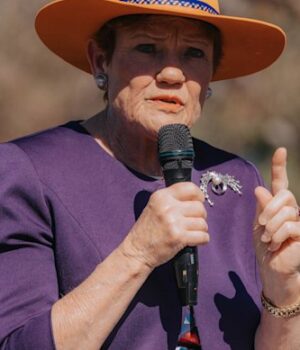
“Australia should be moving away from government censorship, not building the Orwellian machinery for it,” Pauline Hanson said in a Friday post on her social media feeds about Labor’s looming digital laws.
“There are genuine social problems associated with social media. But the answer is not giving a government like this the machinery to decide what is misinformation, what is dangerous and what Australians should be allowed to see, say and share.”
Hanson has sent mixed messages on free speech this week. On Monday, after Albanese had described One Nation as dangerous, Hanson said free speech was critical but that the prime minister had gone too far and had incited violence against her. Labor and Coalition MPs dismissed this claim as a stunt.
Sexual consent campaigner Chanel Contos added momentum to the case for change on Wednesday, after weeks of national debate about sexual violence and attitudes towards women. Contos used a speech in Canberra to call for an opt-in model for algorithms, allowing users to see posts in chronological order to avoid the “manosphere” sites served up by recommendation systems that reinforce extreme content.
Labor is considering an opt-out model rather than an opt-in, government sources said.
Nationals leader senator Matt Canavan, who this week criticised a school program educating young boys about “male privilege”, said social environments such as schools might not be providing room for healthy male identity to flourish.
“So this other stuff becomes their outlet,” he told this masthead. “The algorithm could be echoing an underlying problem rather than being the cause of the actual problem.”
Canavan, who has young sons and a well-established online presence, agreed that notorious misogynists such as Andrew Tate should not be introduced into social media feeds. Yet he asks why regulators should have the power to force internet companies to determine which other figures met the threshold of unacceptable speech.
“Who gets to define what’s toxic? I start to get wary when we give the government power to make these decisions. The PM just doesn’t like people who make fun of him. Dave Hughes would be pretty toxic for Labor right now.
“For a lot of young boys, when a government cancels someone, that just becomes their bookmark list.“
Labor announced the plans for a digital duty of care in 2024 alongside its social media ban for under-16s, which has since been replicated by many nations. Many details of the policy are not yet known.
Wells told this masthead that the new laws were “not about controlling what people see online [but] about applying basic standards and expectations for online products that we use every day”.
“The same way we have safety standards for cars, food and appliances, Australia is setting basic safety standards for online tools and services through our digital duty of care,” she said.
“The duty of care will go further to protect children and young people from harms not covered by social media, like AI chatbots and gaming platforms.“
Liberal moderate frontbencher Andrew Bragg made an economic case against digital regulation, saying he was worried Australia was becoming a less attractive place to invest due to the government’s tech regulations.
Attempting to exert significant government control over social media was like trying to stop the flow of electricity, he said. Labor should instead be trying to generate more tax revenue from US tech giants, he said.
“We want to be a competitive country. We don’t want an EU-style approach to these things where nobody wants to invest,” he said. “There are big opportunities in this space. If you overregulate, you just send investment to Tel Aviv, California or Singapore.”
“Where does it end?”
Cut through the noise of federal politics with news, views and expert analysis. Subscribers can sign up to our weekly Inside Politics newsletter.
 Paul Sakkal is Chief Political Correspondent. He previously covered Victorian politics and won a Walkley award and the 2025 Press Gallery Journalist of the Year. Contact him securely on Signal @paulsakkal.14.Connect via X or email.