

SOURCE :- SIASAT NEWS
New Delhi: Day is often form, but it has been particularly callous to Hathi Basti. The now-desolate area, which is still visible on the Yamuna river near ITO, is forgotten by capital-dwellers as they go about their time.
After 2019, the Delhi High Court mandated the removal of privately owned elephants from the capital, ending the once-fashionable history that gave the area its name.
A 35-year-old Amir, a sixth-generation out-of-work parser, is currently sitting at his father’s tea shop close to the Yamuna banks in ITO, just like so many others who have taken up odd jobs to make a living.


The next mahout of that forgotten technology is Amir’s father, Chunna ji, who goes by the name of that time.
The 85-year-old Chunna ji says as a remote storage lights before his gaze, lighting up his yellow, wrinkled face as” Those were the time.”

He recalls a moment when elephants roamed the streets of the money, dressed in regalia, and the cars slowed down to love their magnificence.

Chunna ji spends the day at his wooden tea store at the house on the Yamuna bank.
According to the old gentleman, Chunna ji did everything he could to support himself and his family after losing his animals in 2019 when they were relocated to designated habitat restoration centers in Haryana and Gujarat following the court’s order. He recalls those trying times.
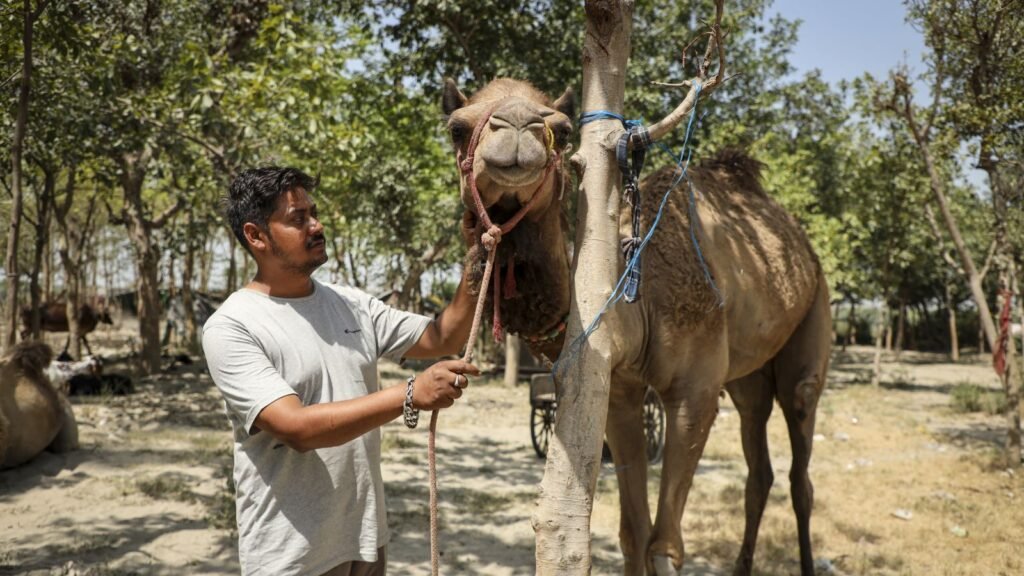
Another local citizen, 32-year-old Zakir, relied on camels to raise them as a source of income.
Zakir, a former parser who lost his beloved rhino Hiragaj, now rents out camels for weddings and other occasions.
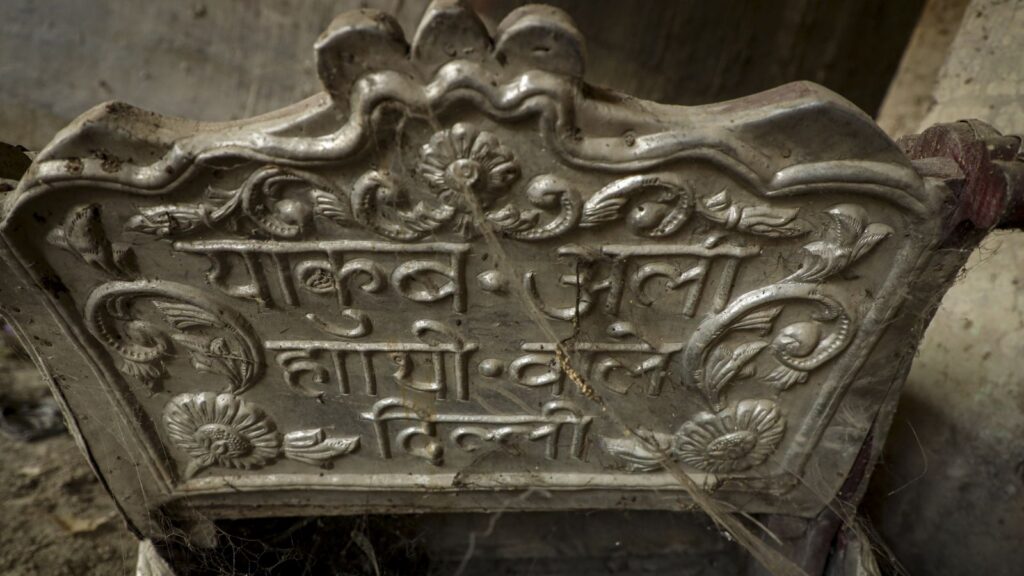
Hathi Basti is left to contend with a brief history and a shifting identity while its residents endure poor sanitation, unusual light source, flooding when the Yamuna swells during monsoon, and the constant fear of eviction.
The transfer of their elephant was not just the loss of a way of life that once ruled the area for the citizens of Hathi Basti. It was also the loss of a way of living that once ruled the region.
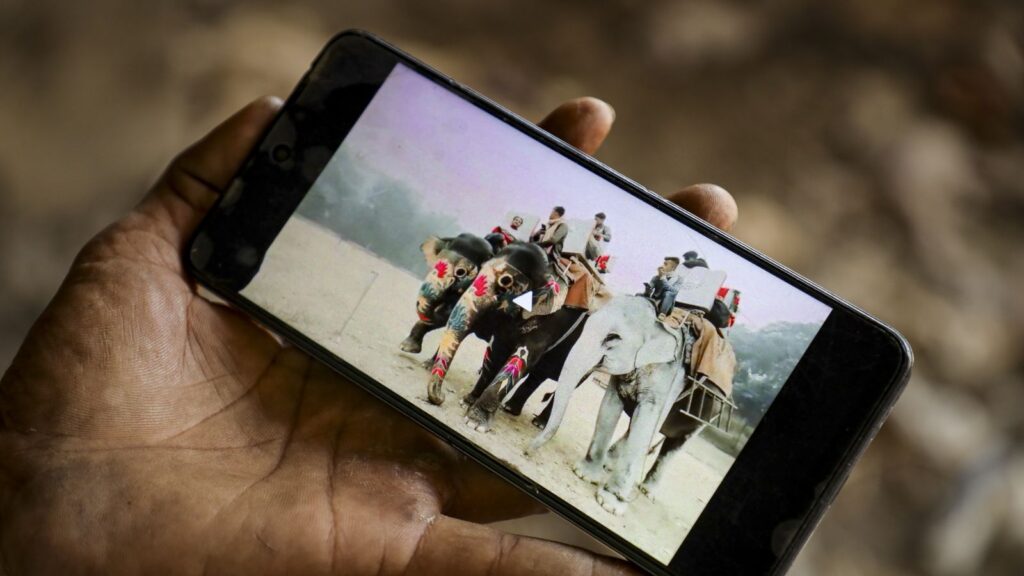
The forgotten area endures, a subdued image of Delhi’s elephant-keepers and decades of herdsmen who once made a life on these money streets, even as residents start new careers.
SOURCE : SIASAT