
Source : Perth Now news
For years, Tui Davidson has been thinking about what happens after death.
The Canberra-based founder of advocacy group Earthly Remains began researching alternatives to traditional burials after the death of a friend’s father in 2019.
An urban planner committed to sustainability, he left Ms Davidson questioning why a life lived in service of the environment could not be fittingly farewelled.
Burials require land, materials and maintenance while cremation relies on high-temperature furnaces that release greenhouse gases.
That search eventually led her to a little-known process called natural organic reduction, better known as human composting.
Now, after years of advocacy, Ms Davidson is celebrating a milestone.
Independent Sydney MP Alex Greenwich plans to introduce a bill on Thursday that would pave the way for human composting in NSW.
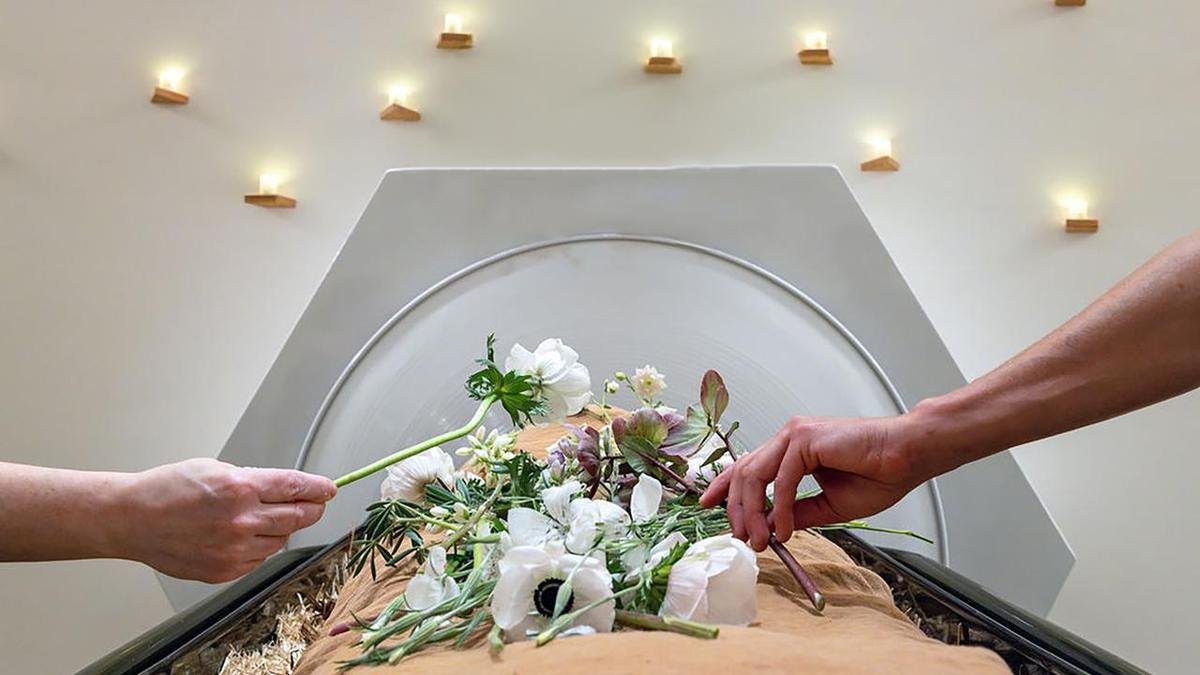
The process places a body in a vessel with organic materials such as wood chips and straw.
Over several weeks, microbes break down the remains into organic material that can be used in reforestation, soil regeneration or memorial plantings.
The proposal has already attracted a cautious response from NSW Premier Chris Minns.
“I feel a bit weird about it,” he told reporters on Sunday.
“I never even heard of that until Alex (Greenwich) mentioned it, so really, going to have to kick the tyres on this one before we automatically agree.”
For Ms Davidson, that reaction is understandable.
“People don’t like talking about death,” she said.
She believes public attitudes are changing, even if the concept sounds confronting.
“Once people get over the idea of composting … and actually start to think about beautiful nutritious soil and growing things in it … people really embrace the idea,” she said.
Mr Greenwich’s bill would allow the state government to establish rules governing human composting facilities, processes and oversight.
The proposal would not replace burial or cremation, he said, but add to the available options.
“This is not about taking away the current options,” Mr Greenwich said.
“It’s simply providing an alternative for people to choose if they wish to do so.
“We want to be able to give people a choice that is more financially and environmentally sustainable.”
Human composting is currently legal in 14 US states, including Washington, California, Colorado and New York, and is also available in Germany.
Advocates say it is gaining momentum internationally as people seek lower-impact end-of-life options.
Seattle-based provider Recompose estimates human composting saves between 0.84 and 1.4 metric tonnes of carbon dioxide emissions compared to traditional methods.
For Ms Davidson, this is key to its appeal.
“Being able to give back at the very end to the planet … that’s a great thing,” she said.
She said she would choose the option herself if it became available.
“No doubt about it,” she said.