
Source : INDIA TODAY NEWS
“I took a year off.”
For many professionals, that is a terrifying sentence. We live in a world where careers are expected to move in a straight line—one promotion after another, one achievement chasing the next. Taking a break often feels like stepping off a moving train, hoping you can somehow catch it again later.
Yet people do it. Some take a break after spending decades in the workforce, while others do it after only a few years. I fall into the latter category.
advertisement
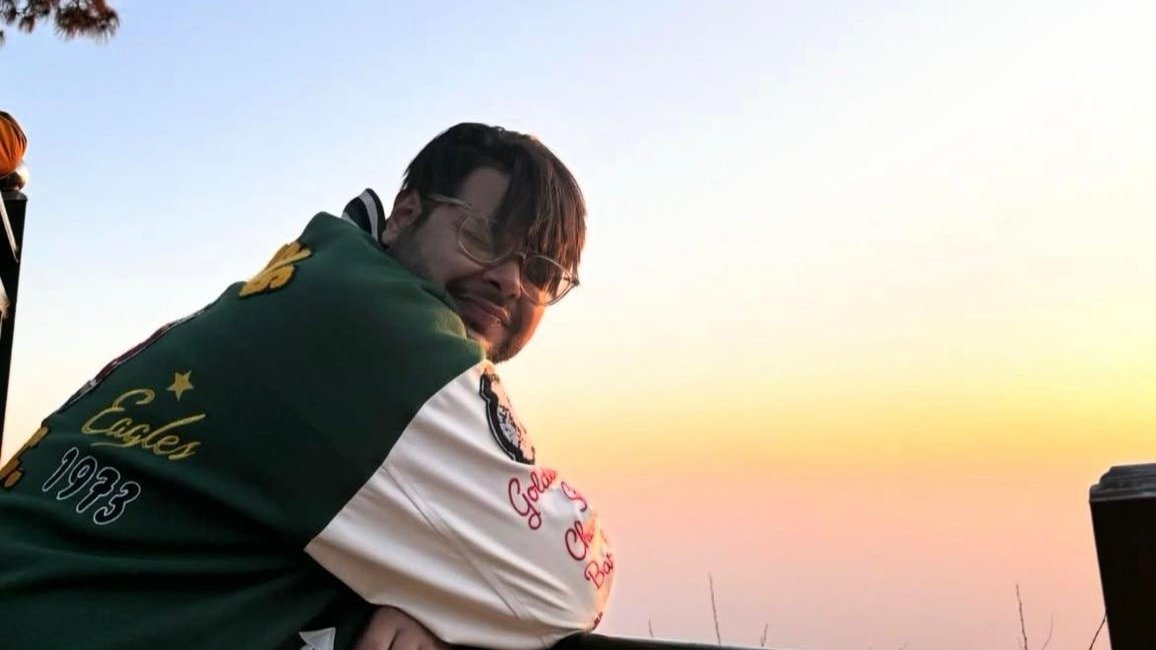
After six years in the media industry, I decided to press pause. Initially, the plan was simple: take two or three months off, recharge, and return to work. But as my last working day approached, I found myself asking a different question: if I was finally stepping away, why not give myself the time I truly needed? What began as a short break slowly turned into a year-long sabbatical.
At first, the idea was frightening, but hidden beneath that fear was an unexpected sense of peace. Looking back today, it may have been one of the best decisions I have ever made.
THE BURNOUT I DIDN’T SEE COMING
I am a 31-year-old media professional, and anyone who has worked in news or digital media knows how relentless the industry can be. Every day brings a new story, a new deadline, and a new challenge.
The pace is exhilarating, and for years, I loved it. My first six years in the profession were rewarding. I worked at two of India’s leading media organisations, learnt from brilliant colleagues, covered important stories, and grew both professionally and personally.
But somewhere along the way, something changed. As 2025 approached, I found myself constantly exhausted. The excitement I once felt about going to work began to fade, and every morning felt heavier than the last. What once energised me now drained me. At first, I ignored it, as most professionals do.
We tell ourselves that everyone is tired and that things will get better after the next project, the next quarter, or the next holiday. But by January 2025, I could no longer ignore it. I was burned out.
After nearly two months of thinking, overthinking, and questioning myself, I finally made a decision. I resigned. I didn’t have another job lined up, and there was no backup plan waiting in the wings. I simply handed in my resignation and walked away. On April 1, I officially became unemployed—or perhaps, for the first time in years, I became free.
LEARNING HOW TO SLOW DOWN
The first month felt like a deep exhale. There were no alarms at dawn, no rushing to catch office transport, and no endless stream of emails waiting before breakfast. Life slowed down, and for the first time in years, I allowed myself to slow down with it.
For weeks, I did almost nothing productive. I watched television, met friends, went out for long walks, and spent entire afternoons doing absolutely nothing. Most importantly, I spent time with my family.
It was during those quiet moments that I realised how much of life I had missed while chasing deadlines. The conversations, the dinners, and the simple moments that seemed ordinary until you no longer have them suddenly felt precious.
Yet even as I enjoyed the break, there was an uncomfortable feeling in the background. Everyone else seemed to be moving forward. Friends were getting promotions, changing jobs, and planning new chapters of their lives.
Then came the inevitable questions: “So, what’s next?” “Are you sure this is a good idea?” “How long do you plan to stay away from work?” Some people were supportive, while others were concerned. To be honest, I was concerned too.
THE ANXIETY OF STANDING STILL
There were nights when I wondered if I had made a mistake. The monthly salary credit message that once seemed routine suddenly felt significant. For years, income had arrived predictably; now it hasn’t. Every expense came from savings, and every passing month reminded me that I wasn’t earning. The uncertainty was real.
But instead of allowing those fears to consume me, I decided to focus on the only thing I could control: the present. One day at a time. Gradually, something remarkable happened. The exhaustion disappeared, the constant anxiety began to fade, and the version of myself that had felt trapped and depleted started to return. After two months, I finally felt like myself again.
I even began considering a return to work, but life had other plans. A family emergency required my full attention, and my temporary break became longer than expected. Five months into my sabbatical, I made a decision. If life had already forced me to slow down, I might as well embrace it completely. I extended the break to a full year.
REDISCOVERING PARTS OF MYSELF
People often ask what I did with all that free time. The answer is surprisingly simple: I returned to the things I loved. I started reading again—and I mean really reading. Not skimming articles between meetings or reading because I had to, but reading because I wanted to. Books became companions once more.
I also focused on my health and built healthier routines. I exercised more consistently, slept better, and felt stronger both physically and mentally. Then there was travel. Travel has always been one of my greatest joys, and during that year, I finally had time for it. I travelled with family, travelled with friends, and travelled alone.
Each journey offered a different perspective, not just on places but on life itself. For a while, I began to wonder if this slower version of life was how we were meant to live.
LOGGING OUT TO RECONNECT
Even though I was physically away from work, I was still mentally connected to the world around me. People were advancing in their careers, LinkedIn updates celebrated promotions, and social media showcased milestones and achievements. Sometimes, those updates triggered anxiety. It felt as if everyone was racing ahead while I remained stationary.
Then one day, I made another decision: I logged out completely. I deleted social media. No scrolling, no comparing, and no constant updates about what everyone else was doing. It wasn’t easy, but it was one of the healthiest decisions I made during that year.
Without the endless noise, I found myself becoming more present. I read more, learnt new skills, improved my writing, and exercised regularly. I spent more time experiencing life than documenting it. For the first time in years, I wasn’t trying to keep up with anyone. I was simply focusing on myself.
BUILDING A BETTER VERSION OF ME
By December, I found myself reflecting on the previous year. The year before, I had spent December immersed in deadlines, meetings, and career ambitions. Now I was at home, rebuilding myself.
Of course, I knew I couldn’t stay away forever. Eventually, I would have to return. The question wasn’t whether I would go back but how. I spent time refining my skills, updating my resume, improving my communication, and preparing for whatever came next. I promised myself one thing: if I returned, I wanted to return as a better and more capable version of myself. And when the right opportunity finally arrived, I was ready.
COMING BACK DIFFERENTLY
After a year away from professional life, I logged back in. But I wasn’t the same person who had logged out. The break had changed me.
Today, I make a conscious effort to maintain a healthier relationship with work. It isn’t always easy. Work-life balance remains a challenge, especially in demanding industries. But I have learnt that neglecting life outside work comes at a cost. I try to stay grounded and not let the storms of professional life define my entire identity. Careers matter, but so does everything else.
WAS IT WORTH IT?
People still ask me whether taking a year off was a good idea. My answer is simple: yes.
Not because everyone should quit their job tomorrow. Not because career breaks are easy. And certainly not because they come without risk. But because sometimes, stepping away allows you to see things more clearly. A break gives you space to reconnect with yourself, with the people you love, and with the parts of life that often get lost in the rush.
We spend so much of our lives trying to move forward that we rarely stop to ask whether we’re moving in the right direction. My year off didn’t make me less ambitious; it made me more intentional.
And if there’s one thing that year taught me, it’s this: life is not a race that must be run at full speed all the time. Sometimes, the most important progress happens when you stop running altogether.
– Ends
SOURCE :- TIMES OF INDIA