Source : INDIA TODAY NEWS
India is exploring links between its central bank digital currency (CBDC) and those of BRICS partner countries to make cross-border payments faster and more efficient. Talks with Thailand, Malaysia and Vietnam are at an advanced stage, according to government sources, reported Moneycontrol.
The move is part of India’s wider efforts to improve payment connectivity within the BRICS group and make international transactions easier.
advertisement
INDIA LOOKS AT CBDC LINKS WITH BRICS PARTNERS
Central banks of the partner countries are discussing the possible use of CBDCs for cross-border transactions. India has previously proposed linking CBDCs across BRICS countries to make international payments faster, more efficient and cost-effective.
The discussions come soon after India hosted the 18th BRICS summit in New Delhi over the weekend, which was attended by global leaders including Chinese President Xi Jinping and Russian President Vladimir Putin.
The September 12 New Delhi Declaration supported work towards payment-system interoperability and greater use of local currencies for trade and investment. It also recognised that there is no single approach that can work for all countries.
DIGITAL RUPEE COULD BE USED FOR OVERSEAS PAYMENTS
A CBDC is a digital form of a country’s official currency issued by its central bank. Unlike cryptocurrencies, it is backed by the issuing central bank and represents digital central-bank money.
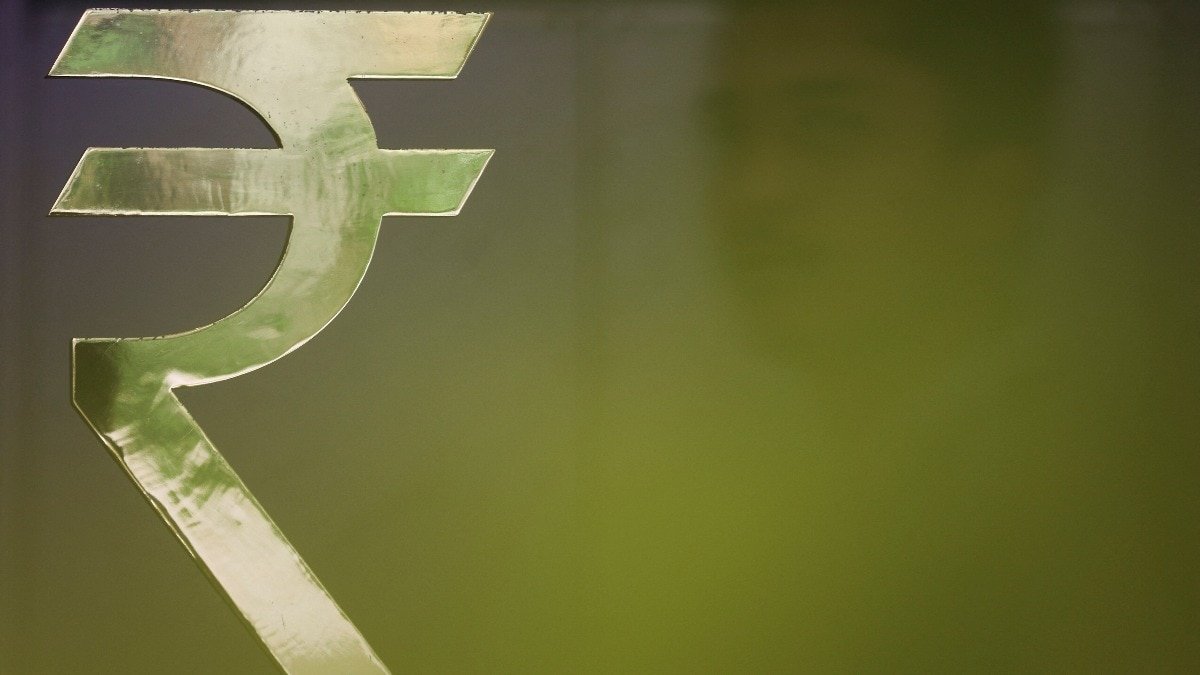
India’s CBDC, the digital rupee or e-Rupee, is being developed by the Reserve Bank of India for both retail and wholesale use.
Linking the digital rupee with CBDCs in other countries could reduce the need for intermediaries and help make cross-border payments faster and more efficient.
The RBI is also exploring new uses for the digital rupee, including cross-border transactions with two to three countries, a second source said.
However, the digital rupee is still in the pilot phase as authorities work to identify more use cases and expand its applications.
India is also looking to expand the ways in which international trade can be settled. These include local-currency settlements, bilateral currency arrangements and greater use of the rupee.
The aim is to have multiple options rather than depend on a single currency for international trade.
– Ends
SOURCE :- TIMES OF INDIA