Source : Perth Now news
The boss of Australia’s largest chicken producer has issued a stark warning over poultry prices as the H5 bird flu crisis continues to take hold.
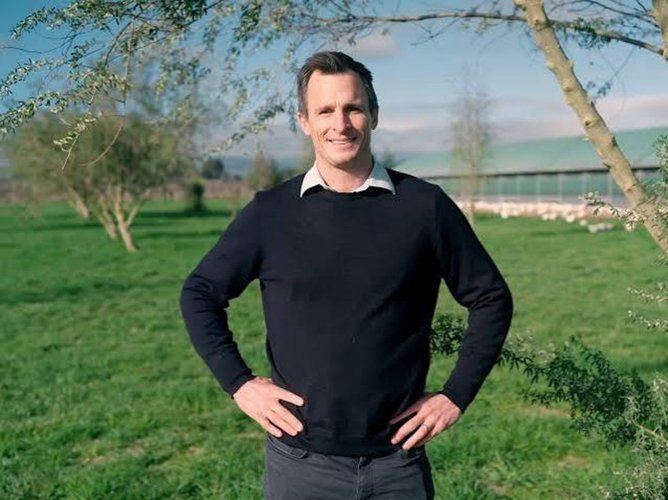
Edward Alexander, chief executive of Ingham’s Group, this week told shareholders that industry costs are on the up, irrespective of whether the flu starts biting into the poultry industry.
Speaking at an investors meeting earlier in the week, Mr Alexander said the industry had been dealing with increasing costs related to bird flu, even without any cases detected in poultry birds.
He noted a combination of feed, the situation in the Middle East and inflation had driven a $130 million increase in costs, which would impact consumers.
“Retail pricing moves more with changes to the cost base … so we will see that take effect,” he said.
He said that bird flu was “a real and significant risk for the poultry industry”, adding that the company had sent executives to Europe to seek advice on biosecurity threats posed by the avian disease.
“We take this risk extremely seriously,” he said.
“There is no sensible way to predict precisely where and when an outbreak may occur, but what I can say with confidence is that Ingham’s enters this period with the most resilient national network, well-developed biosecurity controls and a team that is prepared to act quickly and decisively if required.”
He added: “I think we’re better set up than any other player within the industry to manage the risk posed by bird flu.”

He said the firm, which supplies around 40 per cent of Australia’s chicken meat, had “invested considerable effort in prevention, surveillance, scenario planning and response protocols” in an effort to mitigate for the strain arriving on the continent.
“An outbreak in one location does not automatically translate into disruption across our broad network.” he said.
“We have the ability to isolate affected areas, protect other parts of the network and redirect production and supply.”

Meanwhile he added the prevalence of the new strain was yet to start affecting demand for products.
“We’re not seeing any impact on demand at the moment,” he said.
“I think it has been well communicated that there is no food safety issue pertaining to bird flu and certainly we’re not seeing any of that through any of our channels.”
STARK DEVELOPMENTS

The warnings come after a number of stark developments in the spread of the H5 strain in Australia, which was first detected in migratory birds.
In the weeks that followed, it gradually started to be detected in native species of birds, including giant petrels.
But in recent days, it has also started to have an impact on native mammals, sparking fears for Aussie icons such as Tasmanian devils.
This week, a dead red fox found in Adelaide tested positive for H5 bird flu, while yesterday authorities in South Australia confirmed a dolphin washed up on Goolwa Beach was also a suspected case.
“We don’t know for sure how it’s come across and gotten infected with bird flu, but we would expect it has probably eaten a bird or interacted closely with a wild bird,” said chief veterinarian Dr Skye Fruean of the dolphin.
The fox was the first infected mammal to be found in a metropolitan area of Australia.
This discovery sparked fears over scavenging Aussie animals, including Tassie devils.