

Source : Perth Now news
Iran has denounced expanded US sanctions aimed at isolating its economy as an act of “gross lawlessness”, expressing confidence that many countries would not join the pressure campaign.
Almost six months into a conflict the US has struggled to resolve, Treasury Secretary Scott Bessent unveiled the measures on Monday but stopped short of the most punishing options.
While he said countries that continued trading with Iran risked being forced out of the dollar-based financial system, he declined to give a timeline or identify which may be targeted, saying he would give them time to comply with the new directive.
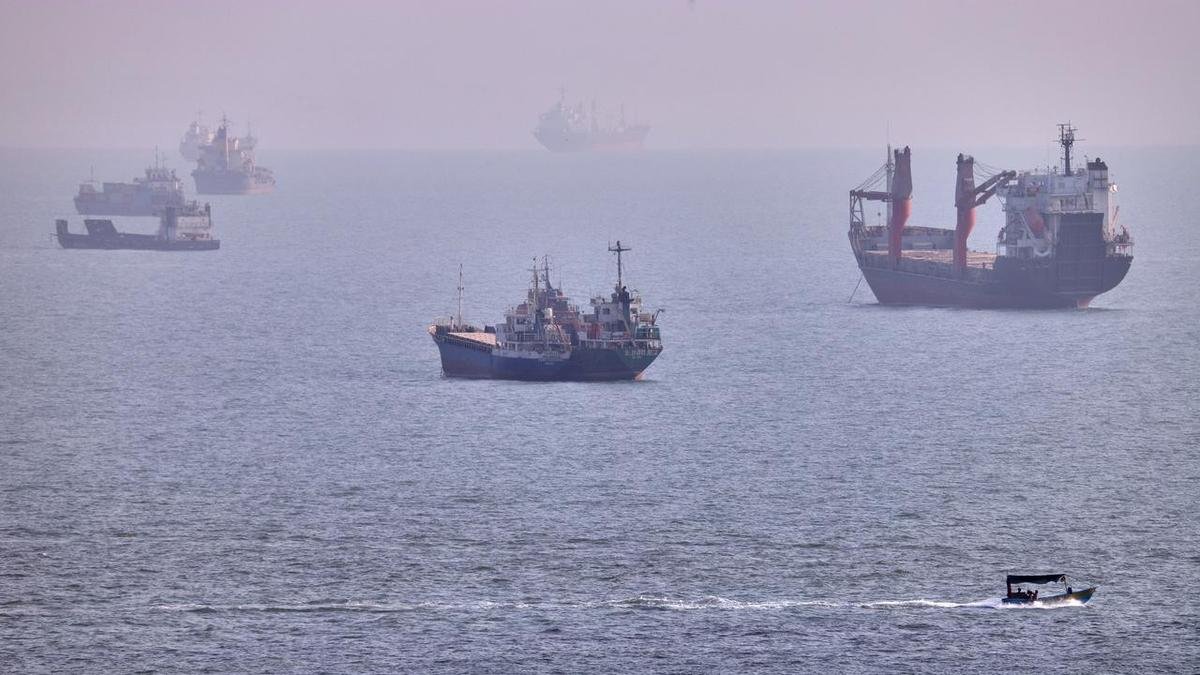
There have been signals of a potential return to mediation to end the war, which began with US and Israeli strikes on Iran and has shut down most shipping in the Strait of Hormuz, previously a conduit for about a fifth of global oil and liquefied natural gas shipments.
Iran and Oman said they had discussed a proposal on Tuesday for a “joint temporary navigational corridor” through the strait and a plan to clear the strait of mines.
US President Donald Trump repeated earlier assertions that all mines in the strait had been removed or detonated, adding that Iran had been told that any ship or boat placing new mines would be destroyed.
Iran’s Foreign Ministry described the latest US sanctions as a threat to international law and the UN charter, saying in a statement that “the issue is no longer limited to Iran”.
“No honourable state that values its sovereignty and national interests will accept the normalisation of such gross lawlessness and systematic bullying,” it said.
The Treasury Department announced new sanctions on 60 individuals, entities and vessels, but the list did not feature any of the Chinese financial institutions suspected of facilitating Iran’s oil trade.
China has been the biggest buyer of Iranian oil for several years. However, the US blockade of Iran’s ports has cut those oil flows to China since Washington resumed it in mid-July.
Trump has said he expects to host Chinese President Xi Jinping next month, and the US is keen to avoid any curbs on China’s exports of critical minerals.
China said on Tuesday that its cooperation with Iran was conducted within the framework of international law and should not be interfered with.
Iranian Economy Minister Ali Madanizadeh said neither China nor Russia had “accepted” the US measures, predicting that other countries would resist them.
There have been no major US or Iranian strikes for weeks, but a spokesperson for Iran’s Revolutionary Guards vowed heavy blows to US interests and energy chokepoints if Iran’s infrastructure is threatened.
Oil prices fell for a second day as traders brushed off the impact of the sanctions, although market participants remained wary of Iran’s continued ability to disrupt shipping.
An oil tanker was struck on Tuesday by an unidentified projectile and disabled about 17km northeast of Oman’s Ash Shishah, which lies at the entrance to the Strait of Hormuz, the United Kingdom Maritime Trade Operations said.
Tehran and Washington signed an interim deal in June aimed at ending the war, but it quickly frayed and Iran resumed ship attacks that have strangled energy exports from the Gulf.
Mediator Pakistan made “significant progress” in the latest talks with Tehran, which focused on preventing further escalation and reopening the Strait of Hormuz, the Pakistani military said.
Iran expressed a general willingness to resume peace talks during meetings between Iranian and Pakistani officials on Monday, while expressing concern about the sanctions, a Pakistani government source said.
“Pakistan told them the US will reverse those decisions either before, or during a new round of negotiations,” the official said.
The US is beginning to send personnel back to some diplomatic missions in the Middle East that were evacuated or downsized amid tensions with Iran, two people familiar with the matter told Reuters.
The move suggests Washington sees a lower risk of the conflict with Iran escalating in the near term, though some embassies will initially operate below full capacity.


