Source : the age
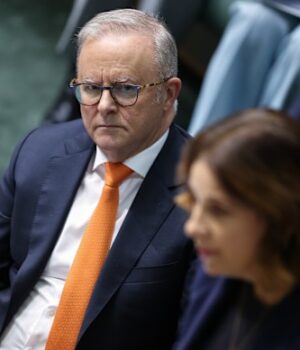
Prime Minister Anthony Albanese has reversed a late change to a scheme forcing tech giants to pay for news, clinching a deal with Opposition Leader Angus Taylor that media firms hope will lead to hundreds of millions of dollars in new revenue.
Powerful news bosses from this masthead’s owner Nine and News Corp revolted last week after Labor reduced the cut that any one media outlet would receive from a tech firm’s payout from 25 per cent to 17 per cent of the total levy each social media platform is charged. This was a reduction the government made without consultation. That reduction has now been scrapped.
The change to the News Bargaining Incentive was aimed at spreading the wealth and benefiting smaller publishers, but large outlets argued it undervalued businesses that hire most journalists.
Albanese has been talking to top news executives. He worked with Taylor to strike a deal that rekindled bipartisan support for the world-first scheme. Initially struck by the Morrison government, Labor’s revamped model pushes digital giants to compensate news businesses for articles on social platforms.
Communications Minister Anika Wells said the government was “delivering for journalists”, while Assistant Treasurer Daniel Mulino recognised “the significant benefits strong journalism brings to communities across the nation”.
Labor made another change that it did not previously disclose: guaranteeing that Australian Associated Press, a newswire owned by a not-for-profit, will gain 5 per cent of any payments made by tech outfits.
Sources in the news sector said such a high payment for a small publisher was questionable, though they did not expect news bosses to complain, given Albanese had stepped in to reverse the substantive change.
The incentive works by levying a 2.5 per cent charge on tech firms’ local ad revenue. To encourage firms to strike voluntary deals with media businesses, the government offers digital platforms an offset to the charge. The aim is to deliver up to $250 million to media companies whose business models have been smashed by advertising money flowing to tech giants.
The digital platforms argue there is no justification for the policy because news outlets actually benefit from distributing their work on social media.
The Trump administration considers the tax a form of “foreign extortion”. The tech sector in the US has called on Australia to face higher tariffs as a penalty. On Tuesday, Trade Minister Don Farrell lobbied the US over Donald Trump’s decision to impose a 12.5 per cent tariff on Australian exports.
Separately, the government made a tweak to the accounting method for the NBI that will increase the base of tech firms’ revenue subject to the charge.
The number of deals each firm will be forced to do has also increased from six to eight.
Legislation will be introduced to parliament on Thursday and will most likely pass the Senate next week, putting pressure on Meta in particular to come to the table. Meta, which owns Instagram and Facebook, last year threatened to block news articles on its platforms rather than pay any charge. Google was already keen to do deals.
Cut through the noise of federal politics with news, views and expert analysis. Subscribers can sign up to our weekly Inside Politics newsletter.
 Paul Sakkal is Chief Political Correspondent. He previously covered Victorian politics and won a Walkley award and the 2025 Press Gallery Journalist of the Year. Contact him securely on Signal @paulsakkal.14.Connect via X or email.