Source : INDIA TODAY NEWS
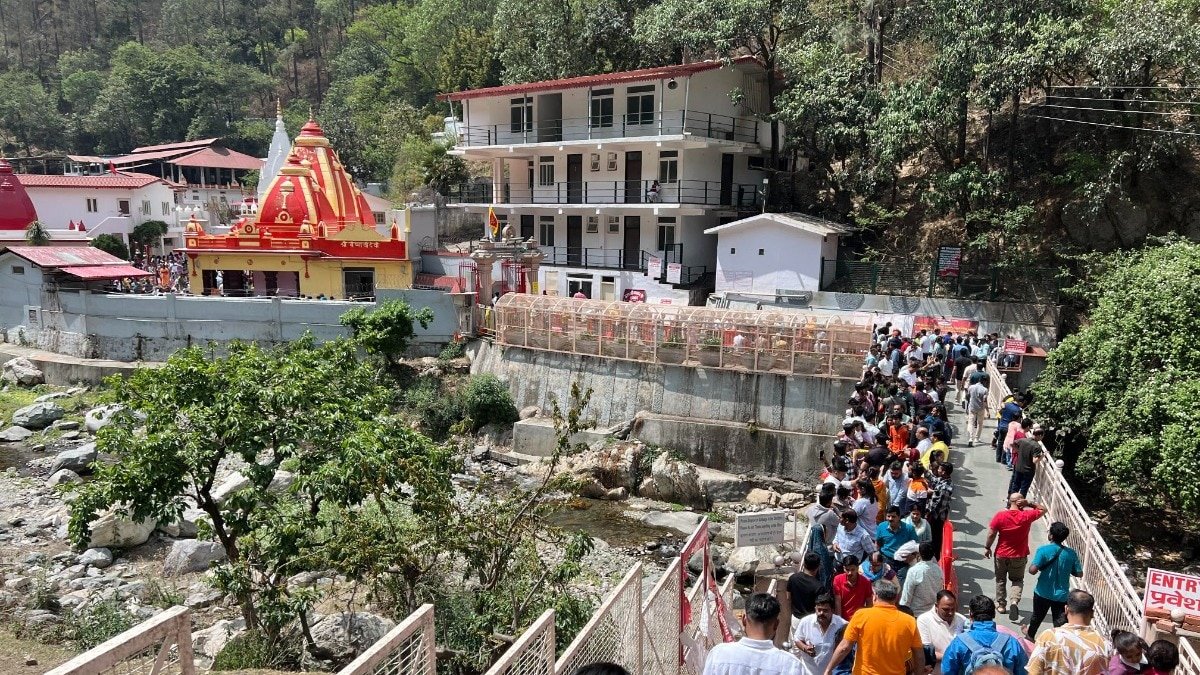
The massive tourist and pilgrim rush witnessed over the long weekend has prompted authorities at two popular destinations — Kainchi Dham in Uttarakhand and Triund in Himachal Pradesh — to tighten crowd management measures, with caps being considered and enforced to prevent overcrowding.
At Kainchi Dham, where the number of devotees crossed 50,000 last weekend, the administration is moving towards mandatory registration and a manageable daily cap of 20,000 to 25,000 visitors. In Himachal Pradesh, the Forest Department has decided to strictly enforce Triund’s carrying capacity of 1,000 visitors a day.
advertisement
KAINCHI DHAM PLANS REGISTRATION SYSTEM
A meeting on traffic management, parking and crowd control at Kainchi Dham was held under the chairmanship of Kumaon Commissioner Deepak Rawat.
One of the key decisions was to recommend mandatory registration for devotees visiting the temple. The district magistrate and senior superintendent of police will jointly send the proposal to the state government.
Officials said advance information about the number of devotees expected on a particular day would help the administration plan parking, traffic movement, shuttle services, security and arrangements inside the temple premises.
For now, the administration has considered 20,000 to 25,000 devotees as a manageable daily cap. The number is not final and could be revised depending on the circumstances.
The aim, officials said, is not merely to restrict the number of devotees but also to ensure that the rush at Kainchi Dham does not disrupt traffic on the Bhawali-Almora highway, which is also used by people travelling towards Almora, Bageshwar, Pithoragarh and other areas.
SEPARATE ENTRY AND EXIT AT TEMPLE
The administration has also decided to streamline the movement of devotees inside the temple complex by keeping entry and exit routes separate.
The move comes after visuals of heavy overcrowding inside the premises emerged last weekend. Officials said separating the two routes would reduce opposing flows of people and ease pressure inside the temple, thereby improving safety.
Another decision is to make crowd-management meetings mandatory before every weekend. Earlier, such meetings were generally held ahead of major festivals and events. With visitor numbers now rising even during regular weekends, SDMs, COs and ARTO officials will review arrangements regularly.
The meetings will focus on shuttle services, route diversions, parking and traffic management. If the crowd increases, shuttle services will be operated from Bhawali and nearby areas, with KMOU and the Transport Department playing a role.
DEVOTEES ADVISED TO BOOK HOTELS IN ADVANCE
The administration has also urged visitors to book accommodation before travelling to Kainchi Dham.
Officials said people arriving without hotel bookings and then searching for accommodation could add to congestion on the roads. Hotel bookings may therefore also be checked as part of the crowd-management exercise.
Action will also be taken against the unauthorised use of motorcycles as taxis. The administration has received complaints about private motorcycles being used for commercial passenger services and has directed officials to take action against such operators.
FOCUS ON SHIPRA RIVER, HOTEL PRICES
The administration has also decided to increase monitoring around the Shipra river, which holds religious significance for devotees visiting Kainchi Dham.
Officials said some visitors had been using the river for bathing and picnicking, raising concerns about its cleanliness and safety. The Forest Department will be deployed to monitor the area and action will be taken against those violating the rules.
The administration is also keeping an eye on prices charged by shops, hotels and homestays in the area. Shopkeepers have been asked to clearly display rate lists and keep prices reasonable. Complaints of overcharging will be investigated, and action could be taken if violations are established.
Hotels and homestays found charging excessive prices could also face action against their licences or other permissions.
TRIUND LIMITS DAILY VISITORS TO 1,000
Meanwhile, the Himachal Pradesh Forest Department has tightened restrictions at the Triund trek in Dharamshala after an unusually large crowd was reported during the long weekend.
The department will now strictly enforce the approved carrying capacity of 1,000 visitors per day. Only 1,000 permits will be issued to operators, and visitors without permits will not be allowed to proceed towards the trek.
DFO Dharamshala Amit Sharma said around 1,700 permits were issued during the long weekend. He clarified that social media visuals showing 3,000 to 4,000 tourists did not represent the actual crowd at Triund Top. A large number of visitors had gathered at the initial checkpoint because of the time taken to record Aadhaar details and issue permits.
Sharma said the approved carrying capacity of the Triund landscape is 1,000 people a day and will now be strictly implemented.
STAFF TO BE DEPLOYED AT TRIUND CHECKPOINT
With another busy weekend expected, the Forest Department will deploy additional staff at the checkpoint. Operators will be issued only 1,000 permits, and no tourist will be allowed to proceed without one.
Those who attempt to bypass the system and go up without a permit will face fines under the applicable provisions.
The department also plans to provide additional facilities for trekkers, including a gazebo, drinking water and dry toilets. The water facility is targeted to be completed before December 31, with the aim of reducing the need for tourists to carry plastic bottles to the top.
Sharma said the department does not want to fill Triund with concrete or excessive infrastructure and will instead prioritise preserving its natural landscape.
He also urged tourists and trekking operators to check with the Forest Department before making advance bookings, as no more than 1,000 people will be permitted on the trek on any given day.
The fee for day hiking has been fixed at Rs 100, while camping costs Rs 275. Sharma clarified that these charges are for obtaining permission for hiking and camping and are not fees for any specific additional facility.
With both Kainchi Dham and Triund witnessing a sharp rise in visitors during long weekends, authorities are now moving towards regulating footfall based on carrying capacity rather than responding to overcrowding after it occurs.
– Ends
With inputs from Pooja Sharma
SOURCE :- TIMES OF INDIA