Source : the age
Duan Noodle House
Chinese$
Don’t be alarmed. That bang-bang sound you can hear on Illawarra Road is the thwack of dough being slapped against the counter to create biang biang noodles. It’s a window-side performance of pounding, pulling and patience that stops curious passersby on the street.
Biang biang noodles, also known as belt noodles, are lauded for their generous width, chewy texture and deliberate unevenness that catches every bit of sauce – a sauce created by pouring hot canola oil over Sichuan pepper, star anise, cinnamon, cumin and shallots until everything pops and sizzles.
Getting the right proportion of noodle thickness to sauce is a balancing act, says the owner and executive chef of Duan Noodle House, Lucas Doan, who taught himself how to make biang biang noodles by watching YouTube. If the noodles aren’t thin enough, there won’t be enough sauce, he says. The ratio of spices is also important.
It’s pretty bang-on here. The fragrant spiced oil glistens in every nook and cranny of each wide-ribboned noodle. The noodles – comically long once you lift them to eat – are cooked to a satisfying al dente splashed with just enough sauce to keep them supple.
Adding the beef short rib is optional but recommended. The meat on ours has been slid clean off the bone, the tender flesh easily nudged apart with chopsticks. They use Angus beef here, slow-roasted for eight hours.
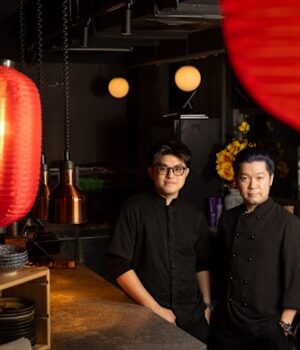
Doan grew up in Marrickville and remembers regularly walking past the now-demolished Marrickville RSL and envisaging its street corner as the ideal location for a restaurant. He opened The D’s Bar & Dining in that spot in 2023. Duan Noodle House opened in June and sits within The D’s, a realisation of Doan’s plan to have a second, more casual offering available.
It’s a bit of an awkward entry, requiring navigation up a short set of steps from The D’s into a dim 35-seater tinged red by neon signs and paper lanterns. The crowd is a mix of young diners and local families; tables are set aside within the ground floor restaurant for any guests with wheelchair or pram requirements.
The menu reflects Doan’s Vietnamese and Chinese (Teochew) heritage. It’s why biang biang noodles sit alongside chicken and beef pho. Eagle eyes will notice no pork on the menu, a conscious decision in consideration for a range of diners.
Unlike many Marrickville establishments, the pho here is northern-style. That means a broth that isn’t too heavy, sweet or overly spiced, and you won’t get bean sprouts or Thai basil on the side. Stock for the pho ga (chicken pho), is made in a 200-litre stockpot simmered for at least 72 hours. The week before we visited they churned through 400 litres of soup – that’s 200 kilograms of chicken bones.
Doan’s chicken pho is clean and light, seasoned an hour before service with salt, rock sugar, maltose and fish sauce. The corn-fed chicken (also available as half or whole steamed chicken) has a deeper flavour with buttery notes, and the rice noodles are deliberately thinner so they don’t overwhelm the soup. The glossy yolks you’ll find bobbing in the soup are unlaid eggs (known as trung non in Vietnam, the immature yolks found in a hen’s ovary), gently poached so they maintain their prized custard-like creaminess. A garnish of makrut lime leaf chiffonade adds refreshing zing.
The pho bo (beef pho) undergoes a similar 72-hour process. Beef slices on top are wagyu: marble grade-three for the topside, and grade-nine for the brisket. The broth may force you to recalibrate your palate (the only spice used is black pepper) to appreciate its subtlety, but if you need rescuing, staff will happily step in with hoisin, soy and fresh chilli if summoned.
Wonton noodle soup is the sleeper hit here, generous with white fish, whole prawns and Hokkaido scallop on the shell. The wontons are hefty, packed with hunks of prawn and white fish. Thin noodles, coriander and shallots round out the dish. Sipping on the clear soup – a supreme chicken stock boosted with dried prawn and dried scallops – will cure all ills.
Whatever you do, don’t skip the miso eggplant. The Jenga stack of batons have an impressively feather-light batter, bubbly from tapioca starch and soda water. Tossed in a sticky white miso and kombu glaze, each audibly crunchy bite gives way to soft and squidgy eggplant flesh.
Only two desserts are available on the menu: take the lighter route with a wobble of jasmine tea pudding or order the pandan fried ice-cream supplied by popular dessert food truck Duo Duo and go out with a b(i)ang.
The low-down
Atmosphere: Moody den where you can slurp your noodles with one hand and nurse a cocktail in the other
Go-to dishes: Oil-spill biang biang noodles with braised beef rib ($28); wonton noodle soup with fish, prawn and scallop ($24); miso eggplant ($24)
Drinks: Comprehensive 100-strong wine list plus specialty cocktails such as the Bird’s Eye Tango with tequila, yellow and green mango, and a chilli salt rim
Cost: About $60 for two, excluding drinks
Good Food reviews are booked anonymously and paid independently. A restaurant can’t pay for a review or inclusion in the Good Food Guide.
 Helen Yee is a restaurant reviewer for Good Food.