Source : THE AGE NEWS
Updated ,first published
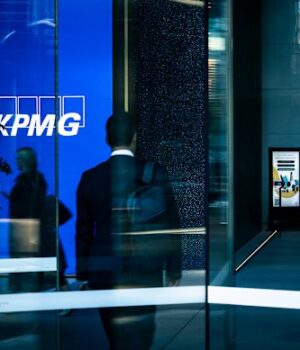
When a scandal hits an accounting firm, there’s significant lag between the event and its impact. Monday’s KPMG staff purge will be just the start of a multi-year fallout for the business’ earnings, salaries and the tenure of those that remain.
It’s impossible to measure the anger that must be felt by staff who will bear the burden of the failings of a group of senior people whose professional greed or ambition led them to misuse private client documents from Lendlease and Optus to secure lucrative audit contracts with other companies.
This is the rot that has led to axing 5 per cent of staff, who are innocent bystanders.
No large-scale sackings or forced redundancies are pleasant for those involved. They are almost always brutal and usually swift. The 27 partners who will be packing up their desktop family photos and pot plants were tapped last week and will bring to 80 the number that have left since July. Those that remain will have their pay cut by 13 per cent.
But the low-hanging fruit for cost savings are the staff who sit below partners, and that is where the hollowing-out was most severe.
On Monday, the firm’s entire staff was invited to attend an internal town hall at 10.30am. Within 15 minutes of the meeting’s close, the first of the circa 350 staff slated to line up for the plank were being contacted for bad news delivery. By Tuesday, all will know their fate and whether their career will be upended by the “tap and go”.
It could be said that those who lost their jobs this week got a reprieve. They won’t have to work for months or years in a state of impending fearful anticipation as their organisation reacts to the slow-motion decline that will be the result of the audit leak scandal that has smothered the firm this year.
The auditing scandal has already bled into other areas of the business, including its consulting division, where the firm’s revenue fell an alarming 16.9 per cent. KPMG said economic and market conditions and reduced government work contributed to an overall result that was below their expectations.
Although audit and other divisions managed to grow revenue in the 2026 financial year, this doesn’t represent a reprieve; rather it reflects the longer term multi-year contracts that are the norm. The damage will be felt more acutely in the 2027 financial year and beyond as large companies review whether to award a tainted KPMG with fresh audit work or roll over existing audit contracts.
The firm is also in the middle of one of the busiest times of the year for auditing, which means a fresh round of cuts in this division could be pending.
The potential pain facing KPMG’s audit division could be mitigated by the lack of industry competition. With a 2023 PwC scandal still relatively fresh in the business community’s mind, finding a cleanskin auditor in a market so dominated by the big four doesn’t give corporations many options.
The parliamentary inquiry into KPMG partners’ misuse of confidential data shows a distinct lack of trust in the firm and implies that those who hire it might be showing questionable judgement.
Its current audit contracts are also likely to be subject to protests from the large crowds of listed company shareholders, who have full voice during the upcoming annual general meetings.
Against this backdrop and the evolving use of artificial intelligence, KPMG has taken an “adapt to survive” approach to its business. Although this is a mess largely of its own making, KPMG will sacrifice staff to limit the financial damage.
“The changes announced today are an important step in the longer work of renewing and rebuilding our firm,” KPMG said in a statement on Monday.
The Market Recap newsletter is a wrap of the day’s trading. Get it each weekday afternoon.