

Source : BUSINESS NEWS
Western Australia lost most of its nickel industry to Indonesia three years ago and is now at risk of losing its alumina industry to our northern neighbour.
And the reason is the same: Indonesia has plenty of cheap, coal-fired, electricity.
Lithium processing is also heading overseas for the same power-cost reason, though to a different country (China).
When the US-based company Albemarle closed its lithium plant at Kemerton near Bunbury, the explanation was simple: operating costs, especially for energy, are much lower in China.
A re-run of the Kemerton situation, with a difference, is currently under way at the Kwinana lithium-processing plant co-owned by China’s Tianqi and Australia’s IGO.
The difference at Kwinana is that Tianqi believes it can flip the Kwinana project from loss to profit by persevering, whereas IGO has written down the value of its 49 per cent stake to zero, partly because power costs are too high.
There is obviously a common power-costs thread connecting WA’s shell-shocked nickel industry with its struggling lithium sector.
If alumina goes the same way, it will the third value-adding mineral processing industry to suffer a severe setback, because power costs have made it difficult for Australia to compete with low-cost rivals.
To describe the loss of industries as embarrassing is an understatement, especially for a country that has been promoting itself as an ‘energy superpower’.
What’s happening with alumina has not been widely reported in Australia, yet.
It is, however, clearly understood in Indonesia, where government policy is actively encouraging the development of a world-class alumina-aluminium industry.
Coal, the power source Australian politicians have rejected as too polluting, is the reason Indonesia has emerged as a mineral-processing powerhouse, and a key reason Australia has lost entire industries.
A second element in this industrial migration phenomena is Chinese manufacturers’ decision to shift some of their most polluting factories to Indonesia; partly to dodge tight environmental protection laws at home and partly because Indonesia has rolled out the welcome mat and offered abundant, cheap coal-fired electricity.
The Indonesian government’s plan for alumina-aluminium is the same as that for nickel, which started with a ban on the export of unprocessed nickel-rich ore and has is now being applied to a ban on the export of bauxite (the ore of alumina-aluminium).
These are deliberate moves aimed at encouraging value-added processing in Indonesia.
Next step is an influx of Chinese mineral-processing companies, which bring advanced technology to produce metal cheaper than anywhere else in the world.
Eventually, Indonesia plans to produce 30 million tonnes of alumina a year; roughly double what Australia produces today, and almost certainly cheaper.
The Australian value-added mineral processing game is almost over for nickel and fading fast for lithium.
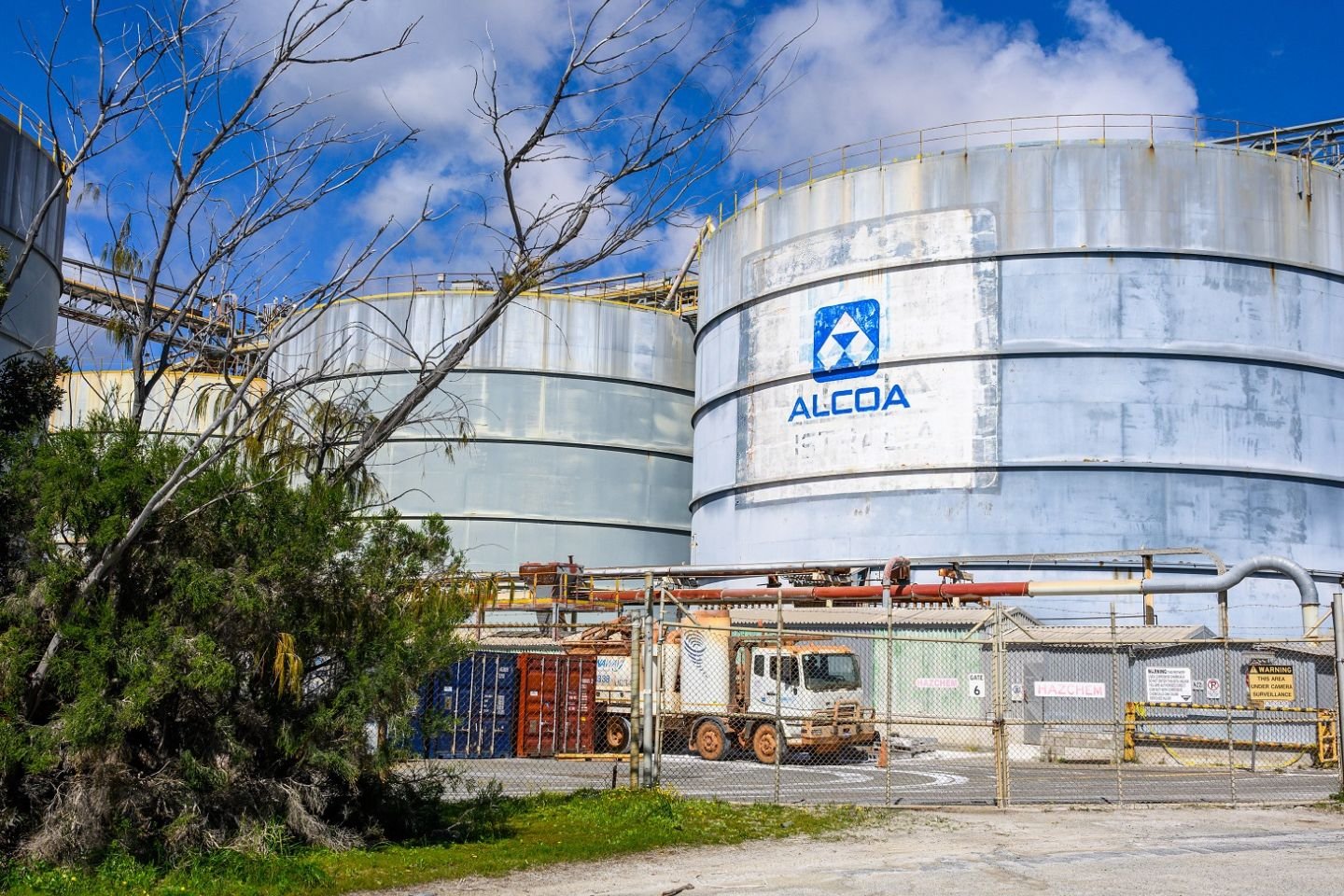
Alumina will be next to travel down the same slippery path to irrelevance; a trip that started last year when Alcoa closed its Kwinana plant because it was old and costly.
Australia might be able to claim the moral high ground of environmental protection, but it certainly cannot claim to be an energy superpower, nor will it soon be able to claim it has a big mineral processing industry.
Essentially, Australia’s rejection of coal and the other fossil fuels (oil and gas) is encouraging established industries to migrate, and for potential new industries to look at countries where they are welcome and low cost.
Bell bears
ONE man certain to stick with his belief in Australia being an energy superpower is Andrew Forrest.
The Fortescue boss has just unveiled his latest green energy project: a combined wind and solar development designed to attract data centre firms to the Pilbara.
The team at stockbroking firm Bell Potter is not convinced.
In a strongly worded research note, which included an investment downgrade of Fortescue, the broker said the latest green energy project was a high-risk venture that tests the limits of prudent capital allocation.
“A remote, hot, cyclone-prone region with limited digital infrastructure, fibre connectivity, water for cooling, skilled labour and high logistics costs does not appear a competitive selling point for a data centre,” Bell Potter said.
“These are demanding applications, requiring 99.9 per cent power supply uptime, plus extremely tight frequency, and voltage regulation.
“We see a high risk of future write-downs, as with previous Fortescue energy projects.”


