Source : INDIA TODAY NEWS
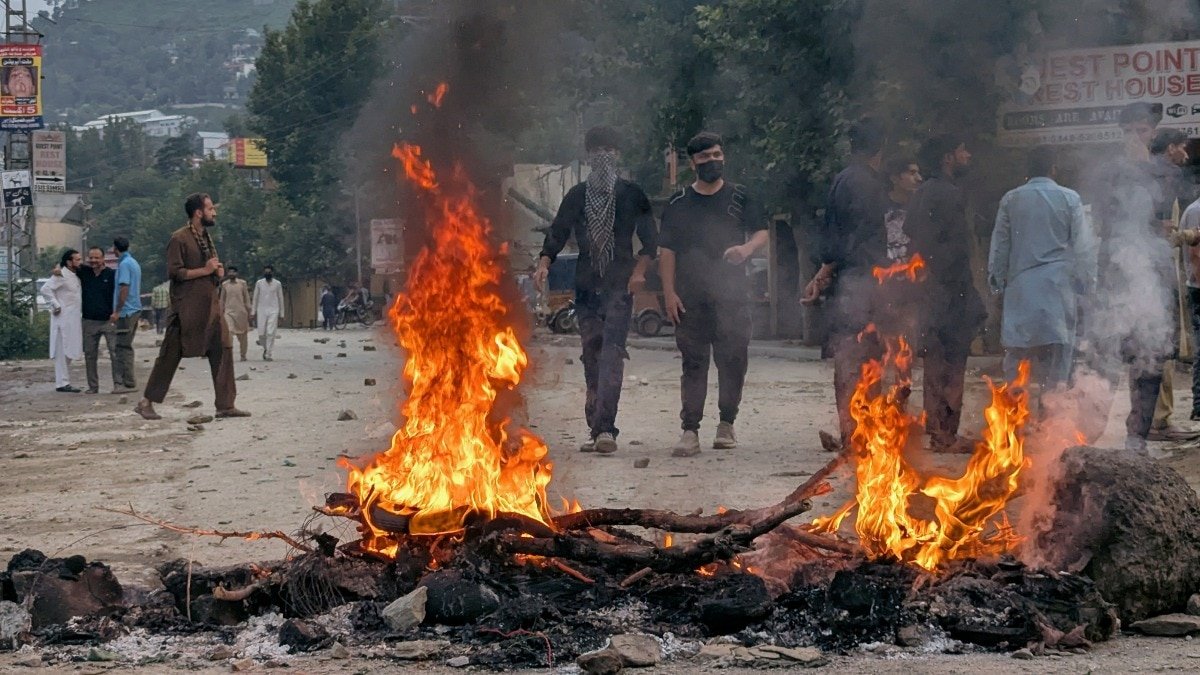
After facing international criticism over its handling of protests in Pakistan-occupied Kashmir (POK), Islamabad has aggressively tightened its control over foreign media by introducing new rules that require foreign journalists to obtain prior government approval before reporting from most parts of the country. Pakistan is under international scrutiny over its handling of protests and crackdown in POK, where human rights groups and press freedom organisations have raised concerns over restrictions on journalists, internet blackouts and the use of force against demonstrators.
advertisement
Al Jazeera and several digital news outlets were recently banned by Pakistan over their coverage of the crackdown by authorities in POK, which the government labelled “yellow journalism” and anti-state propaganda.
The Foreign Media Facilitation Guidelines, 2026 effectively place large parts of Pakistan beyond the reach of independent foreign reporting unless journalists first secure a no-objection certificate (NOC) from the Ministry of Information and Broadcasting’s External Publicity Wing (EP Wing). Until now, foreign correspondents could seek permissions on a case-by-case basis. The new framework formalises those controls and expands the government’s oversight over nearly every aspect of foreign media operations.
PAKISTAN TIGHTENS ITS GRIP ON FOREIGN MEDIA
Under the new rules, foreign journalists can freely operate only in Islamabad, Lahore and Karachi. Any reporting assignment elsewhere — including producing news reports, documentaries, videos or social media content — will require prior clearance from the government.
The guidelines extend beyond reporters. Media organisations, freelancers, production houses, translators and even Pakistani journalists living abroad who contribute to foreign publications must register with the EP Wing.
Applications will only be processed after endorsement by the applicant’s employer, while authorities retain the power to approve, reject or seek additional information at any stage.
BROAD DISCRETION FOR AUTHORITIES
The framework grants sweeping powers to the EP Wing over accreditation and access.
Journalists can lose their accreditation if authorities determine they have acted against the “ideology, sovereignty, security, or public order of Pakistan” — terms that are not clearly defined in the guidelines. Accreditation can also be withdrawn for alleged misuse of a journalist visa or failure to comply with administrative requirements.
Only government-issued QR-enabled accreditation cards will be recognised. Even private travel is brought under official oversight. Journalists wishing to visit Abbottabad or Murree for leisure must first seek an NOC from the ministry.
COMES AFTER GLOBAL SCRUTINY OVER POK
The timing of the guidelines is noticeable.
They follow months of criticism over Pakistan’s response to unrest in Pakistan-occupied Kashmir, where demonstrations over governance, elections and economic issues have been accompanied by allegations of excessive force, arrests, media restrictions and internet shutdowns.
International organisations, including Amnesty International and the Committee to Protect Journalists, have urged Pakistan to protect press freedom and investigate allegations of abuses. India has also criticised the recently held elections in POK, describing them as a “complete farce” and accusing Islamabad of attempting to manufacture legitimacy through an electoral exercise while suppressing dissent.
– Ends
SOURCE :- TIMES OF INDIA