
Source : the age
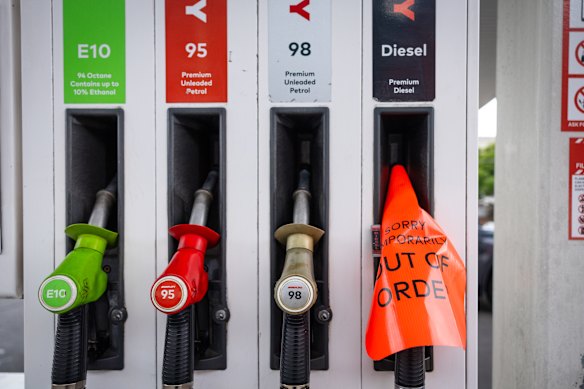
The 32¢-a-litre discount on fuel will be removed at the end of June, Treasurer Jim Chalmers said on Wednesday, which would send the price of a litre of unleaded petrol above $2.15 and diesel beyond $2.60 unless there is a swift end to the US-Israeli war on Iran.
Oil prices soared from February 28, when the US and Israel launched the fighting, prompting Tehran to close the Strait of Hormuz and disrupt up to 20 per cent of the world’s oil supply. This spurred panic buying around the country and pushed average Australian fuel prices to record highs.
On March 30, the federal government announced a three-month reduction in fuel excise worth 26¢ a litre, which would be topped up by state governments with a 6¢ cut to GST charges on fuel. Chalmers confirmed on Wednesday that the discounts would not be extended beyond the end of June.
“We’re not anticipating extending that or expecting to extend it, but we keep it under review really from week to week,” Chalmers told reporters in Canberra this afternoon.
“That’s because what we’re trying to do here is to provide cost-of-living relief in the most responsible way that we can, and that means in this case in a temporary way.”
Unleaded petrol is currently selling for an average of about $1.85 a litre in Sydney and Melbourne and diesel about $2.27.
National Roads and Motorists Association spokesman Peter Khoury said that based on current pricing trends it was unlikely fuel prices would return to the record highs reached in March, when petrol was selling for more than $2.50 a litre and diesel more than $3.
However, Khoury cautioned that “anything can happen between now and the end of June”, when the fuel excise cut is removed.
“Our strong hope is that there is a resolution out of the Middle East and that we see when the excise goes back up [that] the price isn’t at a point where it becomes too painful for families.”
Fuel prices in Australia rise and fall in line with crude oil markets, typically with a lag of seven to 10 days.
The global benchmark oil price is trading at about $US98 a barrel, down from highs of $US126 in April. However, analysts forecast it could rise again if the war drags on. There are mixed signals about the status of negotiations between Tehran and Washington and the future remains unclear.
A swift resolution to the war and reopening of shipping from the Middle East would lower oil prices and deliver cheaper prices in Australia. On the flipside, a protracted halt to oil exports from the Middle East is expected to keep pushing fuel prices here up.
Prime Minister Anthony Albanese said on Monday that Australia continues to add to its fuel stockpiles.
“We’re able to report pretty positive news: 43 days of petrol, which is five days more than were there on February 28 when the conflict began. Importantly, 38 days of diesel, which is what there was most concern about … that’s six days more than was in place on February 28. And 31 days of jet fuel, which is two days more than was available in Australia on February 28.”
With Brittany Busch
 Mike Foley is the climate and energy correspondent for The Age and The Sydney Morning Herald.Connect via email.