Source : Perth Now news
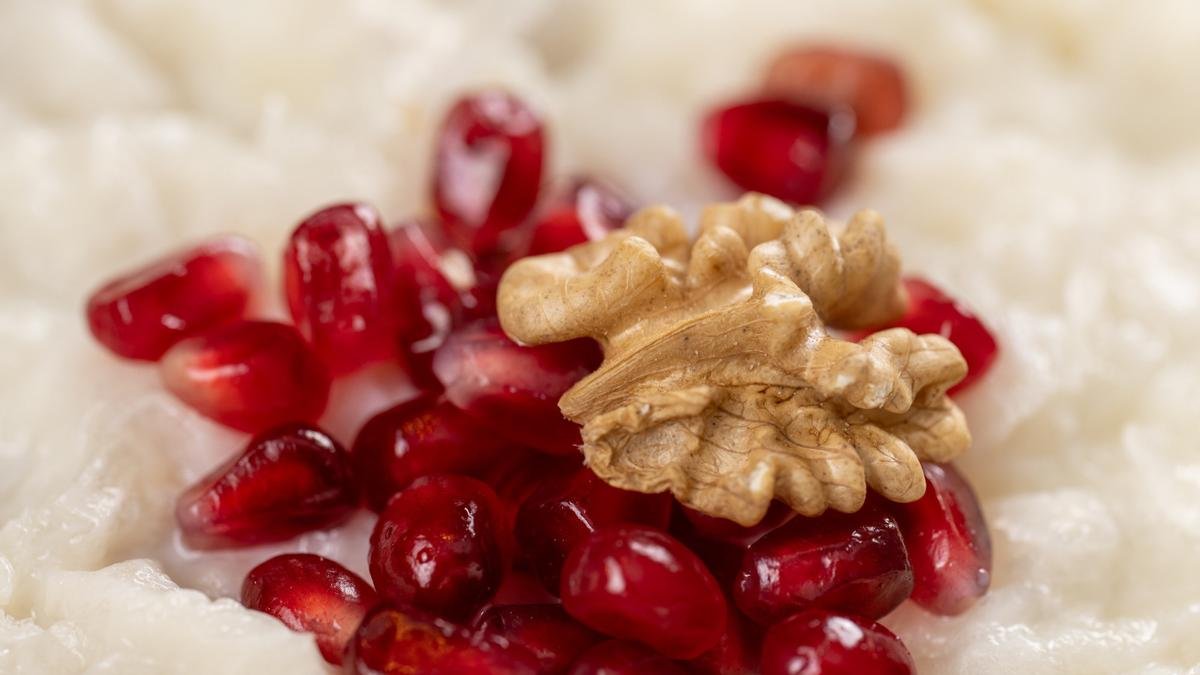
Eating pomegranates and walnuts could help repair some of the potentially deadly damage caused by heart failure, scientists suggest.
Researchers at King’s College London found that a natural compound produced after eating foods rich in certain plant chemicals dramatically improved heart function in animals.
The compound, called urolithin A, is produced when gut bacteria break down polyphenols found in foods including pomegranates, walnuts and berries.
In experiments, animals suffering from heart failure were given urolithin A and saw their heart function improve by as much as 80 per cent.
Scientists believe the compound helps the heart muscle relax while also reducing the scarring that can make the organ stiff and less effective.
The team then tested urolithin A on human heart tissue in a laboratory, where it also produced encouraging results.
The findings could eventually lead to a new treatment for heart failure with preserved ejection fraction, a form in which the heart becomes stiff and struggles to fill properly with blood.
Heart failure affects around 920,000 people in the UK, with roughly half suffering from this form of the condition.
There are currently few effective treatments, and more than half of people diagnosed with heart failure die within five years.
The researchers believe the next step could be developing a medicine containing urolithin A.
However, they stressed that there is not yet enough evidence for people to eat pomegranates as a treatment for heart failure.
Dr Joseph Burgoyne, senior author of the study, said: “While there isn’t enough evidence to suggest that people should eat pomegranates to treat heart failure, these findings raise the possibility that diets that enhance urolithin A production may help alleviate this condition.”
The researchers said patients could nevertheless consider increasing their intake of foods containing polyphenols as part of a healthy diet.
The findings offer a potential new avenue for tackling a condition that can severely restrict everyday life, while highlighting the possible role of the gut in protecting the heart.
More research will be needed to establish whether urolithin A can deliver the same benefits in people with heart failure before it could become a recognised treatment.