

Source : Perth Now news
A girl pulls on her uniform and returns to school after being sexually assaulted by a male student.
It’s possible she will run into the boy in class, as she struggles to keep up with assignments and study for her exams while recovering.
The school may file a mandatory report if she discloses what happened, but she is not given any extra support to continue her education.
This situation is facing pupils across the nation, as about 40 per cent of year 10 to 12 students have reported experiencing an unwanted sexual encounter, a 2021 survey found.
However, Australia does not have minimum standards for schools to support victim-survivors.
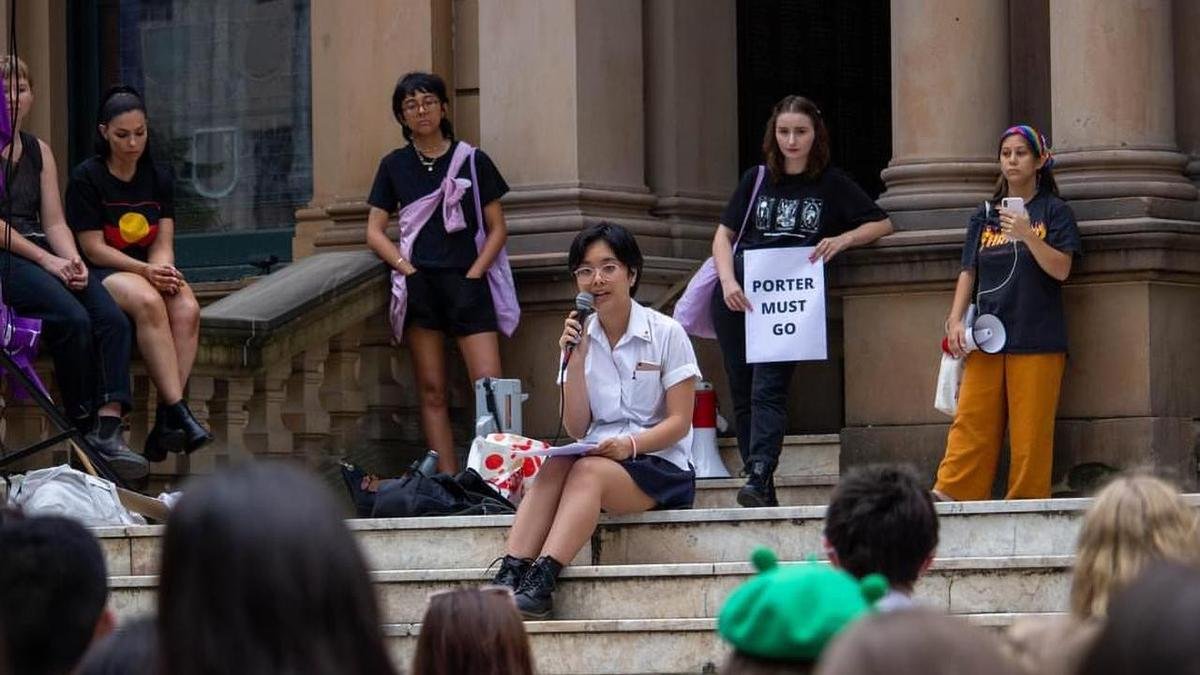
“Think about what life is like for a young girl who has been sexually assaulted and needs to put on her school uniform and go back to class the next day,” gender justice advocate Dani Villafaña told AAP.
“What that young person needs isn’t a police interview and it’s not a courtroom – it’s a system that cares about her wellbeing, her education, and will listen to her.”
A survivor of peer-to-peer sexual violence, Ms Villafaña has been travelling internationally looking at school and institutional responses.
After hearing stories from other students, she considers herself lucky.
Ms Villafaña’s school offered her a specialised counsellor, extra learning support, a quiet space for when she was feeling overwhelmed, and she received consent and sex education separately from others.
“The response I got from my school was completely unique,” she said.
“I’ve met with young people whose schools either didn’t take them seriously in the first place, so that mandatory reporting process was never followed through.
“I have a friend who spoke to a school counsellor, and the school counsellor told her about male sexual frustration.”
Ms Villafaña is one of 40 advocates, experts, lawyers and services who have signed an open letter calling for nationally consistent standards or guidance to ensure every school student is supported after experiencing sexual violence.
These standards already exist in higher education, after a National Higher Education Code was implemented for universities last year.
The letter, which will be sent to state and federal education ministers, will be publicly opened as a petition on Monday.
Fair Agenda senior campaign manager Daisy Gardener, who co-ordinated the letter, said she’d been told about students leaving schools after experiencing sexual assault by a peer.
“This is particularly serious for school students with a disability, rural and regional students who don’t have the option of going to a different school,” she said.
The letter calls for students dealing with peer-on-peer sexual assault to be able to access counselling, extensions or extra time for schoolwork, and arrangements so they don’t have to be near the student who harmed them.
Specialist sexual assault services should be funded to provide guidance to schools and build their capacity to support students, and teachers need training and resources to offer support to students who disclose harm to them, it stated.
1800 RESPECT (1800 737 732)
National Sexual Abuse and Redress Support Service 1800 211 028
Lifeline 13 11 14
Kids Helpline 1800 55 1800 (for people aged 5 to 25)


