

SOURCE :- THE AGE NEWS
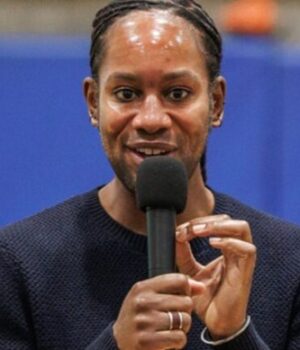
Jason Arday, the University of Cambridge professor at the centre of a deepening controversy around his academic qualifications, resigned on Wednesday (UK time) from the same institution that in 2023 celebrated him as the youngest black professor in its history.
“I no longer wish to feel as though I am living under a constant spotlight, where every aspect of my life is subject to public examination and judgement,” Arday wrote in a statement.
His resignation came hours after Cambridge announced an investigation into Arday and six days before the scheduled release of his memoir Great and Unfortunate Things by Simon & Schuster imprint 37 Ink, in the United States.
A representative of Simon & Schuster, which has so far stood by the book, told The New York Times on Wednesday that the publisher had no comment beyond the statement about Arday it released last week, citing “the professionalism and integrity he has brought to every stage of the publication”.
Arday, a professor of sociology of education, announced his resignation from Cambridge in a statement posted to the Good Law Project, where a petition in his defence has gathered more than 16,000 signatures and continues to accrue support. A spokesperson for the university confirmed to the Times that Arday’s resignation was legitimate.
Earlier on Wednesday (UK time), Cambridge released a statement noting that it had begun an investigation into Arday’s academic qualifications.
“The University of Cambridge has begun an investigation following new information about Professor Arday’s academic qualifications and honorary appointments,” the statement said. “In order to ensure a fair process, we will not comment further until this has concluded.”
When allegations of plagiarism and other scholarly misconduct exploded into public view late last month, Cambridge stuck strongly by Arday and said it had already referred complaints it received about his early scholarship to Liverpool John Moores University, which awarded him his doctorate, and to some scholarly journals.
‘While criticism is an inevitable part of academic life, what I have experienced has gone far beyond scholarly disagreement’.
Jason Arday
But as new questions arose about his qualifications, along with reports that Arday had apparently filed a harassment claim with the police last year against a British journalist who was investigating his work, the university appeared to change its course.
Arday sent a statement to the Times on Saturday disputing the claims, then cancelled a planned interview with the Times on Monday. He did not immediately respond to a request for comment Wednesday about Cambridge’s new investigation or on the claims of harassment.
The imminent publication of Great and Unfortunate Things has put a spotlight on Arday’s account of how he, the son of Ghanaian immigrants, overcame autism and other disabilities that left him non-verbal until almost age 12 and unable to read or write until age 18, then earned a doctorate and achieved the highest scholarly rank at one of Britain’s most prestigious universities.
Before its publication, reports from other academics, independent journalists and a number of British news outlets have cast doubt on Arday’s scholarship and biographical assertions, including his claim to have once run 30 marathons in 35 days while raising as much as 5.5 million British pounds for charity and that he was visited twice at his office by a masked intruder, once while wielding a knife.
Arday has said previously that mistakes in his early work were the result of his autism and inadequate supervision from professors, and that the current accusations of plagiarism are part of a racist smear campaign. In his resignation note, he did not acknowledge any wrongdoing and reiterated his belief that much of the criticism was unfair.
“While criticism is an inevitable part of academic life, what I have experienced has gone far beyond scholarly disagreement,” he wrote. “The relentless accusations, speculation and public commentary have taken a profound toll on me and on those I love.”
This article originally appeared in The New York Times.
Get a note directly from our foreign correspondents on what’s making headlines around the world. Sign up for our weekly What in the World newsletter.

