

Source : the age
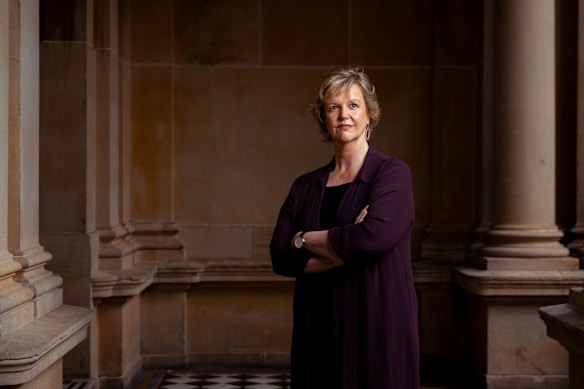
The Sydney Writers’ Festival is searching for a new artistic director after Ann Mossop announced she would step down, the latest move in a period of upheaval for Australia’s cultural institutions.
Mossop will leave on a high after this year’s festival recorded the strongest ticket sales in the event’s 29-year history, capping a tenure that started in 2022 and spanned the aftershocks of COVID-19 and fierce debate about programming exposed by the war in Gaza.
Mossop, who was appointed on a three-year contract, said the scale of the festival – programming hundreds of events while navigating the politics – had made it a demanding position and she was ready for a break. She said she remained optimistic about the future of literary festivals despite the challenges.
“This festival has made me feel incredibly positive and optimistic,” she said. “At a time when some arts organisations are having trouble getting audiences, the fact we have these huge audiences has been really heartening.”
Mossop’s departure adds to a period of leadership churn among Australia’s major literary festivals. Earlier this year Rosemarie Milsom left Newcastle Writers Festival to take over Adelaide Writers’ Week after Louise Adler quit in protest in January following four years in the role.
Adler’s resignation followed the fallout from the Adelaide Festival board’s decision to uninvite Palestinian-Australian writer Randa Abdel-Fattah due to social media posts she had made, a controversy that prompted a boycott by hundreds of writers and the cancellation of the 2026 event.
Mossop also faced political and patron pressure over programming decisions during her tenure. She stood by the decision to feature Abdel-Fattah at this year’s event – in multiple sold-out sessions – arguing that writers’ festivals should remain places for difficult discussions.
The pressures were evident the year before when long-serving chair Kathy Shand resigned on the eve of the 2025 festival, saying freedom of expression should not be used to justify “conversations that compromise the festival as a safe and inclusive space for all audiences”.
Mossop, who came to the role after senior programming positions at the Sydney Opera House, where she co-founded All About Women, and UNSW’s Festival of Dangerous Ideas, said the growing scrutiny facing cultural institutions made clarity of purpose more important than ever.
“All of those kinds of external pressures mean that you have to have clarity organisationally and in your own mind about what is the right thing to do,” Mossop said. “The festival, in the last couple of years, has said very clearly that freedom of expression is fundamental, and we’re not about cancelling or censoring writers.”
Sydney Writers’ Festival chief executive Brooke Webb said the search for Mossop’s successor would be international, with the board seeking a candidate who combines a global outlook with a strong commitment to Australian literary culture. The appointment will be made in the coming months.
Asked whether Adler could yet complete the game of literary festival musical chairs, Webb said the board welcomed “applications from any suitably qualified candidate”.
 Melanie Kembrey is National Books Editor at The Sydney Morning Herald and The Age.Connect via X or email.