

Source : THE AGE NEWS
Health experts have hit out at the emergence of US-inspired ads spruiking prescription medicines, as pharma giants behind blockbuster weight loss drugs skirt local laws banning promotions of their products by encouraging Australians to proactively ask doctors about treatments.
Eli Lilly, the US medical giant valued at more than $1.5 trillion, and Novo Nordisk, its Danish rival valued at about $230 billion, have been running controversial ads that avoid naming their specific appetite suppressant drugs, as mentioning a product name would be illegal. Instead, they feature imagery and messaging around the trials of being overweight and people’s struggles with diets or exercise in a “disease awareness” campaign.
Lilly, the Indianapolis-headquartered pharmaceutical multinational which made headlines earlier this year when it abandoned negotiations with the government to have its medication Mounjaro subsidised for type 2 diabetes on the Pharmaceutical Benefits Scheme due to frustration at the price offered, has simultaneously sought to drive demand for the product from consumers seeking to use it for weight loss.
Lilly is among the leading manufacturers of the new generation of weight loss and diabetes drugs known as GLP-1s, and has for months been running its ‘We Won’t Weight’ campaign across television and radio, as well as through public place ads and online media.
In one of Lilly’s ads, a woman is talking to camera on a beach, and says: “I thought I knew me, turns out I didn’t”. It then cuts to another woman in workout gear hitting a punching bag, who says: “I thought I was failing, turns out I was fighting … biology”.
The ad then returns to the first woman, who says that “my doctor helped me see that obesity is a chronic disease”. The clip ends encouraging viewers to “talk to your doctor for the full picture”.
In another Lilly ad, a doctor is interviewed about the science of weight gain, with a subsequent voice-over message: “Up to 80 per cent of obesity is linked to genetics, so why do we still think it’s only about willpower? Might be time to talk to a doctor. We won’t weight. Will you?”
In addition to the ad campaign, Lilly also sponsored US broadcasting veteran Oprah for her live event tour of Australia last year.
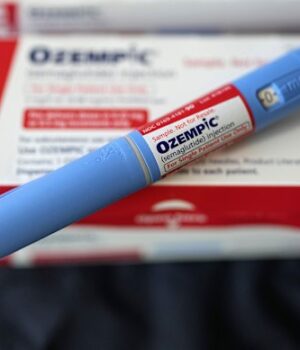
Novo Nordisk – which sells GLP-1 semaglutide products Wegovy for weight loss and Ozempic for type two diabetes – earlier this year had its own local campaign named ‘Tried Everything?’, which similarly featured Australians struggling with weight loss talking to a camera as they list off various exercise regimes or diets they have attempted.
“I’ve walked for miles, every single day,” said one character. “Run before work,” the next said. The vision included close-ups of unappetising foods, including a person drinking a light green smoothie on a cold, gloomy morning after swimming. “I’ve steamed, I’ve boiled, I’ve juiced, I’ve blended 331 sticks of celery,” various actors said in the ad.
“I’ve honestly tried everything, and nothing’s worked. So I’m doing this for me,” the lead character said, before an onscreen message appeared, urging viewers to talk to their doctor.
The promotion of GLP-1s comes amid growing understanding of side effects related to the treatments. In December, the Therapeutic Goods Administration (TGA) issued a safety warning over the risk of suicidal thoughts and reduced effectiveness of oral contraception linked with GLP-1 receptor agonists, including Mounjaro, Ozempic, Wegovy and more. Meanwhile, Lilly and Novo Nordisk are awaiting TGA approval for oral pill versions of their GLP-1 weight loss medications.
Barbara Mintzes, a professor of pharmaceutical policy at the University of Sydney, said the weight loss ads conjure associations with medicine ads in the United States, where companies are allowed to advertise prescription medications.
‘Disease awareness ads are skirting the law in Australia that prohibits the advertising of prescription-only medicine to the public.’
Barbara Mintzes, professor of pharmaceutical policy at the University of Sydney
These ads in the US often overlay visuals of smiling characters engaged in exercise or vibrant activity as a narrator reads out a legally mandated list of all possible risks and known side effects of the drug being advertised.
“Disease awareness ads are skirting the law in Australia that prohibits the advertising of prescription-only medicine to the public,” Mintzes said.
However, unlike in the US, where the laws permitting direct advertisements for drugs carry strict rules including risk disclosures, Mintzes noted how Australian campaigns such as Lilly’s and Novo Nordisk’s did not carry any such warnings.
“They give this impression there is this magical solution, there’s no real sense of the pros and cons of taking this, what the harmful effects, as well as benefits, can be,” she said.
“There’s a concern about harm because all medicines have the potential to cause serious harm. It’s out of that logic that we have the laws that mean a person cannot go out there and buy a prescription-only medicine on their own, and that the manufacturer cannot advertise it directly.”
When it comes to GLP-1 medications, many carry serious side effects and other risks, and Mintzes said while these may seem minimal for someone struggling with severe obesity in the grand scheme of their overall health, healthier people trying to lose “just a few kilograms” may decide to avoid the medications if fully aware of the risks. “The benefits don’t outweigh the harms for all patients,” she said.
“Certainly, the companies are running these ads because they’re trying to stimulate sales of their products in a country where it’s against the law to advertise their specific products. These companies have a financial responsibility to their shareholders, they are working in a marketplace and these drugs (GLP-1s) are extremely profitable,” Mintzes said.
Danielle McMullen, president of the Australian Medical Association, said the organisation representing doctors “has a longstanding position opposing direct-to-consumer advertising of prescription medicines”.
“The driver behind that view is that decisions about medicines should be driven by clinical need and professional advice, not commercial marketing,” she said.
McMullen said the public should have access to health information “separate from promotional advertising”. “Advertising might raise awareness of health conditions, but that is not its purpose, rather its primary purpose is to stimulate sales for a particular product and that does not necessarily mean a positive health outcome for patients,” she said.
For its part, Lilly has defended its ad campaign, citing “stigma and misunderstanding” stopping Australians from seeking treatment.
“All of Lilly’s disease-awareness activities in Australia are non-promotional. They do not promote any specific medicine and comply with all applicable Australian laws, regulations and industry codes,” a spokeswoman said.
The spokeswoman said the ‘We Won’t Weight’ campaign “provides credible, evidence-based information that encourages informed health conversations, and is shaped by the perspectives of Australians living with obesity and research into the barriers that can prevent people from seeking care”.
A Novo Nordisk spokeswoman defended the Danish company’s campaign, which ended in March, as “unbranded” and “aimed at raising awareness about the prevalence of obesity in Australia and encouraging people to speak with their doctor”.
“The campaign focused solely on disease awareness, as permitted under the Medicines Australia Code of Conduct, and did not mention any prescription products to comply with TGA regulations. While spend is commercially sensitive, advertisements of this nature general require significant investment,” she said.
The Business Briefing newsletter delivers major stories, exclusive coverage and expert opinion. Sign up to get it every weekday morning.
 Elias Visontay is a National Consumer Affairs Reporter at The Sydney Morning Herald and The Age.Connect via email.

