Source : THE AGE NEWS
Australia has been doing its best to irritate big tech of late.
The Albanese government’s new digital duty of care laws, introduced on Tuesday, are another attempt to force social media giants to make their algorithms safer. The News Bargaining Incentive, passed last month, whacked a 2.5 per cent levy on advertising revenue generated by those companies. Netflix faces a $1 billion fine if it fails to comply with local content quotas.
And while last year’s social media ban hasn’t kept kids off the internet, it helped embolden American lawmakers to take on Meta and extract a record $24 billion settlement from the company.
While all eyes were on Canberra for the government’s latest announcement, the Australian Taxation Office had quietly opened up a new front in the battle with big tech. In a seemingly arcane decision that came after five years of consultation, the ATO has ruled that revenue from cloud computing and streaming services would be treated as a royalty, and subject to a higher tax rate. In effect, tech giants like Amazon, Google and Netflix could be squeezed for billions in extra tax.
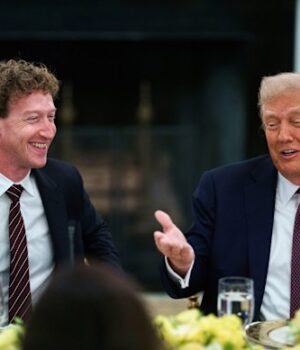
Naturally, all this has triggered fears of retaliation from the Trump administration. Since his return to the White House last year, the President has taken a transactional and retributive approach to foreign relations, decades-long alliances be damned. And Big Tech has cast aside any pretension of being a “progressive” sector, bending the knee to Trump in his second coming.
The ATO first released its plan back in 2021, well before anyone seriously thought America would return the Orange One to Washington. Even before Trump was re-elected in November 2024, the proposed ruling was described by trade groups such as the US National Foreign Trade Council as “gross overreach”. The US Council for International Business called it “highly destabilising and contentious for cross-border business and transactions with Australia”.
In 2022, the US Treasury said it had “strong concerns” over an earlier iteration of the proposed change and warned that if the draft ruling was applied, it “could lead to treaty disputes”.
None of those pointed words stopped the ATO. Nor did the spectre of Trump. Or Australia’s own High Court. In a fiendishly complicated decision last year, Australia’s top court ruled (in a 4:3 split), that transactions between multinational fizzy drink titans Pepsico and Schweppes did not amount to royalty payments.
That judgment prompted tax law experts to declare that the ATO’s pursuit of royalty payments from tech giants had thudded into a dead end. Nevertheless, they persisted.
In a Decision Impact Statement published this March responding to the High Court ruling, the ATO indicated that the Pepsi case could be limited to its unique facts, and would not change its position on royalties.
Analysis by law firm MinterEllison suggested that the ATO’s latest ruling takes an even broader approach than its earlier drafts did. The Tax Office has, in supporting documents, also indicated a willingness to defend its position in court. Not that tech companies with trillion dollar valuations would need an invitation to challenge the rulings. Those legal battles are likely to be long, arcane and messy.
Of more immediate concern is the political fallout from the Trump administration. But so far, Washington’s response to Australia’s tussle with big tech has been all bark, little bite. Lobbyists representing the tech sector urged retaliation against the social media ban. It never happened.
A White House spokesperson called the Albanese government’s News Bargaining Incentive “foreign extortion”. One Republican operative said that the laws were the act of a “loser country,” warning that Australia would face further retaliation from Washington over the laws. So far, that hasn’t happened. In fact, when Albanese and Trump had a “warm” phone call last month, the News Bargaining Incentive never came up.
Albanese does not seem worried about the backlash so far. “Look, we’re a sovereign nation. We decide our policies based upon the Australian national interest,” Albanese said during Tuesday’s press conference announcing the latest social media crackdown.
What works in Australia’s favour is that Trump is easily distracted. With the Middle East war still raging, the President spent much of the last weekend flooding the zone with bizarre AI slop, including a map of Iran shaped like his own head and a cartoon of himself beating Canadian Prime Minister Mark Carney at ice hockey.
These are the actions of a man with little interest in the intricacies of Australian tax policy.
The Business Briefing newsletter delivers major stories, exclusive coverage and expert opinion. Sign up to get it every weekday morning.
 Kishor Napier-Raman is a senior business writer for The Sydney Morning Herald and The Age. Previously he worked as a CBD columnist and reporter in the federal parliamentary press gallery.Connect via X or email.