Source : the age
As of this month, visitors to Cologne Cathedral in Germany must pay an entry fee. The colossal Gothic masterpiece has been free to visit for centuries, but that privilege ended on July 1, with tourists wanting to admire its cavernous interior now required to cough up €12 ($19.50).
It is the latest in a string of attractions around the world that have introduced admission charges in recent times. The Hagia Sophia in Istanbul, for example, went from being free to costing €25 ($40) in 2024, while Rome brought in charges for both the Pantheon (in 2023) and the Trevi Fountain (in 2025). Even the great outdoors is not immune to the trend, with hikers tackling Japan’s Mount Fuji now subject to a fee. So, which of the world’s great landmarks are, for now, still completely free to visit?
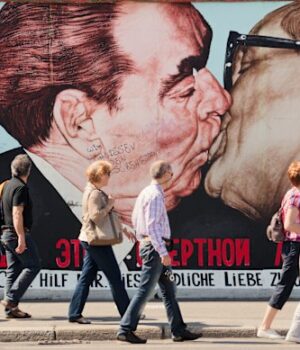
East Side Gallery, Berlin
This surviving section of the Berlin Wall now stands as the world’s longest open-air gallery, featuring more than 100 paintings across almost two kilometres. The East Side Gallery has official “Denkmal” (heritage-protected) status and is open 24 hours a day, attracting more than three million visitors annually.
Keep an eye out for one of its most well-known murals: the “Fraternal Kiss” depicts Erich Honecker, the East German chairman, and Leonid Brezhnev, the Soviet leader, locking lips.
Giant’s Causeway, Northern Ireland
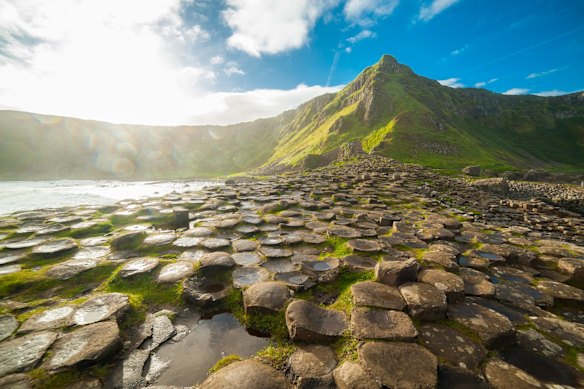
According to science, Northern Ireland’s first World Heritage Site owes its existence to volcanic activity and continental drift. According to legend, it owes it to a rivalry between giants. Whatever its origin story, the result was 40,000 hexagonal basalt columns and one of the UK’s most spectacular views.
Book a paid visitor experience through the National Trust if you’d like to be accompanied by a storyteller, but otherwise, simply walk down to the stones on the Atlantic shore at no cost.
Plaza de Espana, Seville
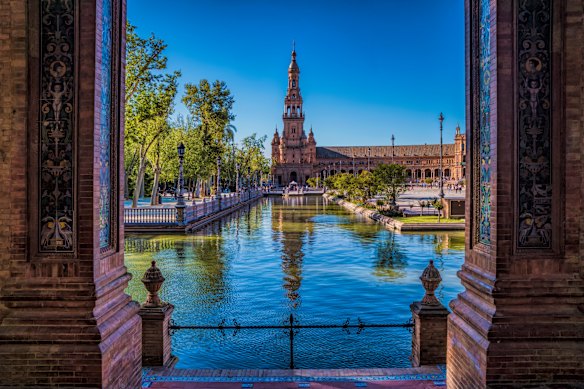
With its azulejo-adorned benches and a charming canal dotted with rowing boats, the semicircle-shaped Plaza de Espana is one of Seville’s numerous architectural delights. It is also one of the few that remain free; the Royal Alcazar, the cathedral and the Giralda, as well as the Setas de Sevilla, all charge. This might change. Jose Luis Sanz, the mayor of the city, announced plans to introduce an entry fee in 2024, and it would appear that the project is still in motion despite delays. The plaza could therefore follow in the footsteps of other ticketed open-air spaces in Spain, such as Barcelona’s Park Guell, which is priced at €18 ($29). As it stands, however, the Plaza de Espana is free, even if not for much longer.
Notre-Dame, Paris
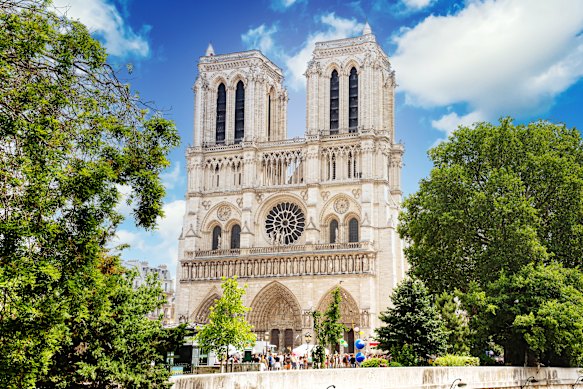
The Parisian cathedral of Notre-Dame, overlooking the Seine, charges a fee to climb the 424 steps of one of its towers, but tourists are still able to visit the rest of the building free of charge. As with the British Museum, reserving an entry time is advised, but this is also free.
The cathedral is older than Cologne’s and underwent extensive restoration following the 2019 fire that forced it to close for five years. Now, visitors can once again see its 13th-century rose windows and the Crown of Thorns relic in all their glory.
The British Museum, London
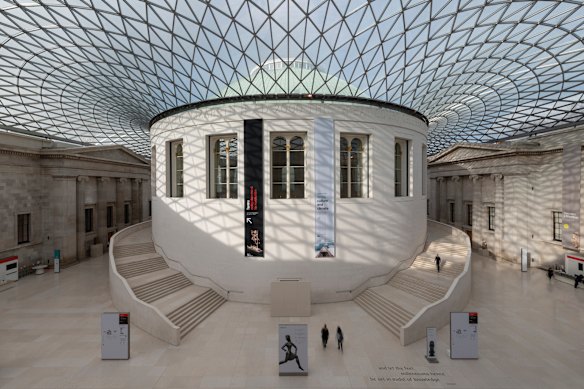
More than 6.4 million people visited the British Museum last year, many of them probably eager to catch a glimpse of the Rosetta Stone, the treasures of Sutton Hoo or the Elgin Marbles. And if that wasn’t enough of a reason to go, viewing its impressive collection costs precisely nothing. Some temporary exhibitions do charge an entry fee; for example, standard tickets for the forthcoming loan of the Bayeux Tapestry carry a hefty price tag of £33 ($62).
But fees do not apply to standard admission. That said, it is advised to book a timed slot to avoid the queues. Of course, it is just one of many excellent and free museums in London. The Natural History Museum overtook the British Museum as the UK’s premier visitor attraction last year, while the Tate Modern, the V&A and the National Gallery are home to world-class artistic collections.
St Peter’s Basilica, Vatican City
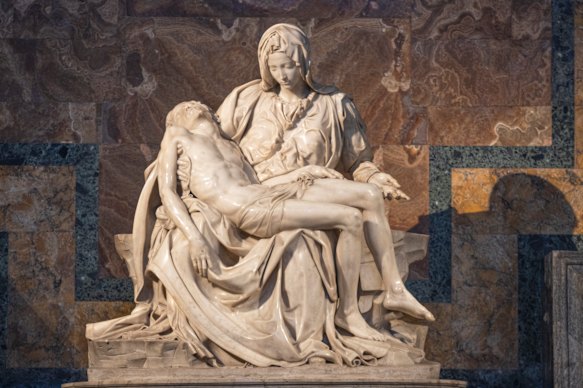
Although you’ll pay to see some parts of St Peter’s Basilica, such as the dome above or necropolis beneath, a general visit is free providing you’re willing to take your chances in often long queues. If you want to book a time slot, a €7 ($11) fee will apply – though you get a digital audio guide with it.
The basilica is crammed with artworks; Michelangelo’s great masterpiece, Pieta, is alone worth the visit. Everywhere you look there’s something remarkable: gilded cherubs, mosaics, statues of saints, popes’ tombs, memorial tablets. Everything is on a colossal scale.
Be aware that dress codes are strictly enforced, so avoid shorts, bare shoulders and skirts above the knee. Papal audiences in the square outside, held every Wednesday morning whenever the pope is in Rome, are also free.
Jemaa el-Fnaa, Marrakesh
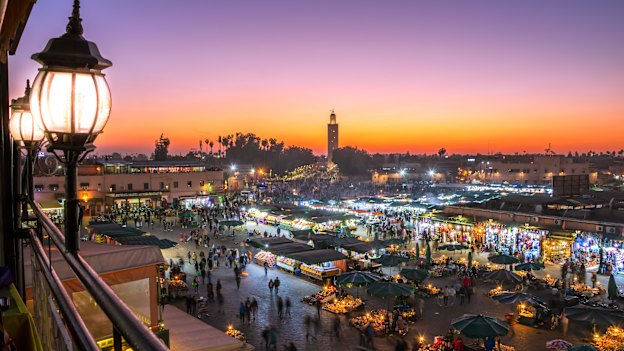
The beating heart of Marrakesh’s medina has been drawing the city’s visitors since the 11th century, and today the square is an unmissable entry on any traveller’s itinerary. Mornings are filled with the sound of snake charmers’ pungi flutes and the smell of freshly squeezed orange juice, while evenings see it transform into a labyrinthine, lantern-lit set-up filled with food stands and fortune tellers.
The Golden Temple, Amritsar
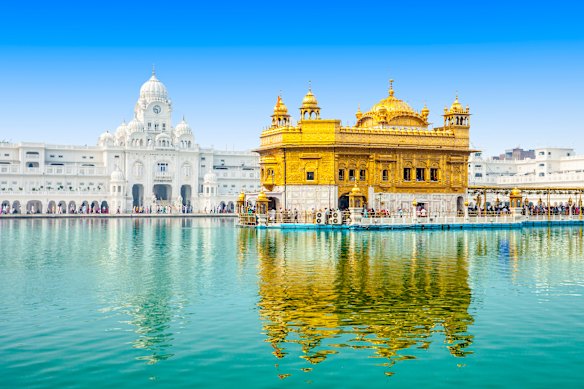
The Sri Harmandir Sahib complex, which houses the Golden Temple, feeds 150,000 people daily, free of charge, as a manifestation of the Sikh belief that its places of worship are open to all. Head coverings are mandatory for all visitors, but these are provided, as are foot-washing stations and shoe storage. A fee of any sort would jar with its entire ethos. The temple seems to float on the waters of the Amrit Sarovar pool and is surrounded by marble walkways where gurus read scripture and visitors rest in the shade. Dawn is often said to be the best time to visit, when the building reflects in the tranquil waters while the morning light catches on its gilded domes.
Fushimi Inari Taisha, Kyoto
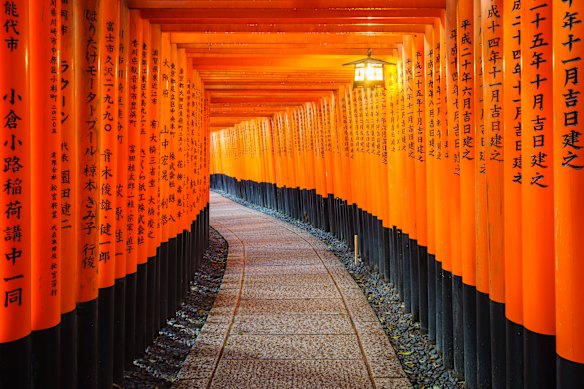
Japan’s ancient capital has no shortage of captivating Shinto shrines, but this one at the base of Mount Inari has become one of the country’s most emblematic sites. Dedicated to the harvest deity, Fushimi Inari Taisha is best known for its 10,000 densely packed torii gates.
The vermilion structures symbolise the threshold between the earthly and spiritual worlds and hang over the trails that guide visitors on their two- to three-hour hike to the top of the mountain.
It will come as a surprise to no one that etiquette is key when visiting this Japanese attraction. Do not lean on the torii gates as you pose for pictures, bow as you pass under them and avoid walking in the centre of the path (as this is reserved for the gods).
Grand Bazaar, Istanbul, Turkey
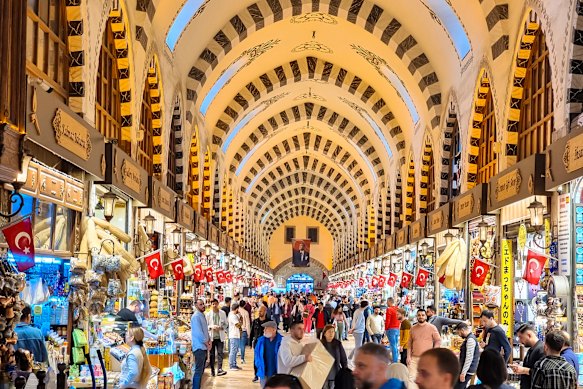
The Grand Bazaar, established in the 15th century, is one of the world’s oldest and largest covered markets, with more than 4000 shops and teahouses lining 65 streets in a labyrinthine blaze of colour.
If you can keep your wallet in your pocket, the bazaar is a free Aladdin’s spectacle of brass lamps, carpets, spices, sequined clothes and everything else from kitchen sinks to antique maps. It’s also a repository of Islamic architecture: vaulted ceilings, gateways, a mosque, old trading inns, kiosks and marble fountains. It’s Istanbul’s only major monument that doesn’t require an entrance fee.
Zoological and Botanical Gardens, Hong Kong
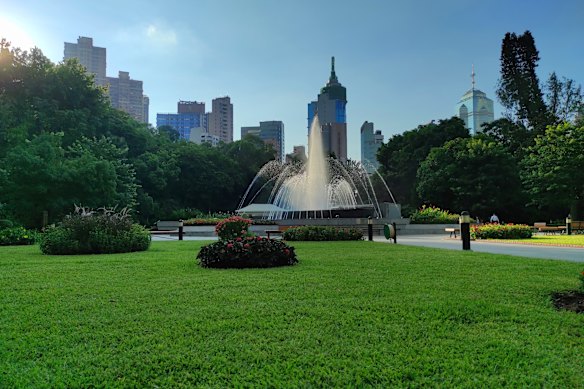
It’s rare to find a free zoo and, while Hong Kong Zoo is modest, it features orangutans, monkeys, lemurs, sloths and many reptiles. The walk-through aviaries, which house some 160 species of birds, are especially worthy. The zoo adjoins botanical gardens that were also established in the Victorian era and are graced with greenhouses, fountains and statuary set amid lush vegetation that creates a wonderful contrast to towering background skyscrapers near the throbbing heart of Central. Trees with spring blossoms and autumn foliage are especially impressive. There’s also a children’s playground.
Sheikh Zayed Grand Mosque, Abu Dhabi, UAE
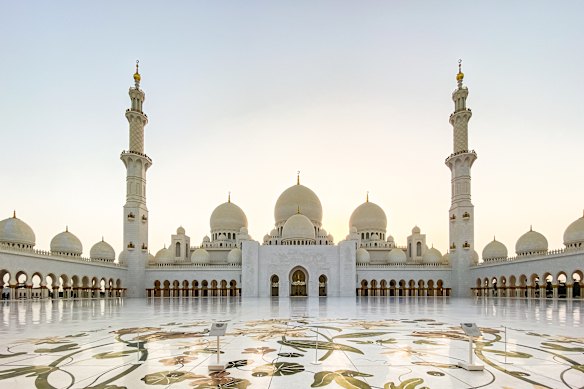
Some mosques bar non-Muslim visitors, many famous ones charge entrance fees, but the Sheikh Zayed Grand Mosque, one of the world’s largest, doesn’t cost a thing, although you’ll have to prebook. You can learn more on a 45-minute cultural tour, which is also free.
The Peace and Light Museum, devoted to the history of Islamic arts and sciences, does however charge AED50 ($19) admission.
The vast mosque is a splendid apparition in blinding white marble inlaid with semi-precious stones, and fuses Moorish, Mughal, Ottoman and Arab influences. Even the outsized chandeliers and patterned carpets are magnificent.
Singapore Botanic Gardens, Singapore
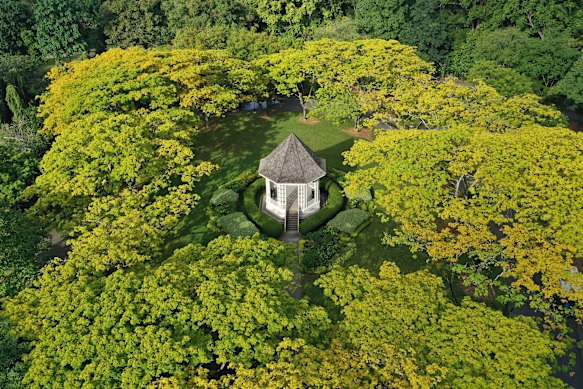
Botanic gardens are a good bet anywhere if you’re looking for a free attraction, and Singapore Botanic Gardens is a great example. The only thing you have to pay for is the National Orchid Garden, which costs SGD15 ($16). You could spend a good half-day here, roaming the sprawling lawns shaded by giant tropical trees, skirting the lakes and enjoying several zones such as Marsh, Sundial Garden and Ginger Garden. There’s a children’s garden with a small farm, maze and outdoor puzzles that teach about plants. Also free are regular outdoor concerts and guided tours by volunteers.
The Bund, Shanghai, China
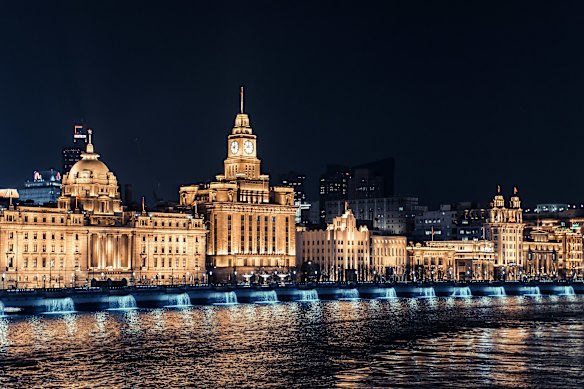
The Bund or embankment that runs along the Huangpu River provides one of the greatest urban spectacles anywhere and captures the dynamism of contemporary China. It’s lined by 1920s buildings, while across the river soar the skyscrapers of Pudong where, a few decades ago, you saw only fields. If you can stay away from the posh restaurants and upmarket hotels you don’t have to spend anything. Enjoy crowds of hawkers, tourists and (in early morning) fan-dancing retirees, and admire the art deco and neoclassical facades of former colonial-era trading houses, banks and consulates. Pudong’s nighttime glitter creates a reason to return.
Abel Tasman National Park, South Island, New Zealand
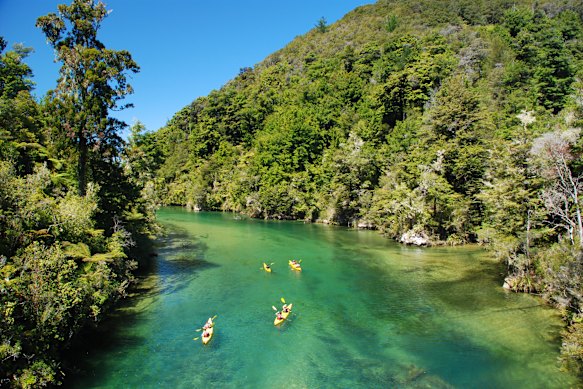
Many national parks charge fees, but all 13 of New Zealand’s national parks, which showcase its spectacular variety of landscapes from fjords to high alps, are gratis.
Abel Tasman National Park is an often-unsung gem compared to other, better-known national parks, and despite easy access. The Abel Tasman Coastal Track is one of the country’s eight Great Walks.
Its 60 kilometres take between three and five days across headlands and wild beaches and through subtropical rainforest. Overnight huts cost from $NZ42 ($35 depending on the season) and campsites are $NZ21 but, once again, there are no fees for day walks.
Batu Caves, Gombak, Malaysia
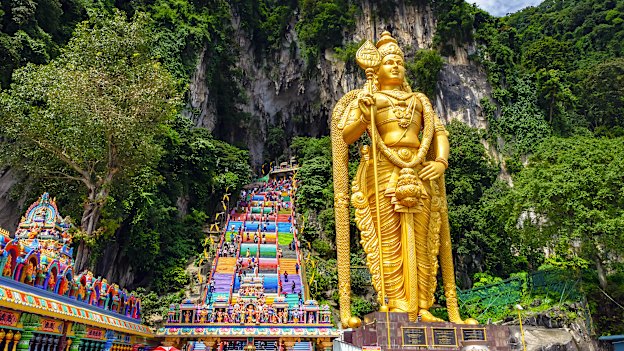
Easily reached from Kuala Lumpur by bargain-priced public transport, Batu Caves provide an unusual combination of limestone weathering and Hindu temple architecture and, moreover, is a very active site for worship and tourism, which lends the site a perennially festive air.
You’ll have to pay a small entrance fee to some caves, but the main attraction requires no tickets. Dress conservatively or you’ll have to rent a sarong, however.
You ascend via 272 multicoloured steps, dodging monkeys as you go, to find a giant golden statue of Lord Murugan. You can see Kuala Lumpur’s skyline in the distance. Incidentally, the area has numerous endemic plants.
Smithsonian museums, Washington DC, USA
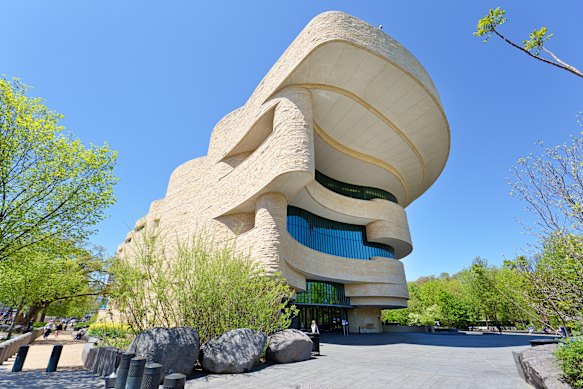
The Smithsonian Institution has 17 museums and galleries and a National Zoo in Washington DC that don’t cost a cent, the only downside being that the most popular, such as the Air and Space Museum, can get very crowded during summer holidays.
Some of the museums require a (free) ticket booked in advance, and some have paid components such as the Space Museum’s planetarium and IMAX theatre. The sheer scale and quality of what’s on offer is stupendous, with museums covering Asian art, American art, African American history, Native heritage, natural history and more. You can admire a space shuttle, the Hope Diamond, Marie Antoinette’s earrings, dinosaur skeletons and moon rocks.
Niagara Falls, Canada/US
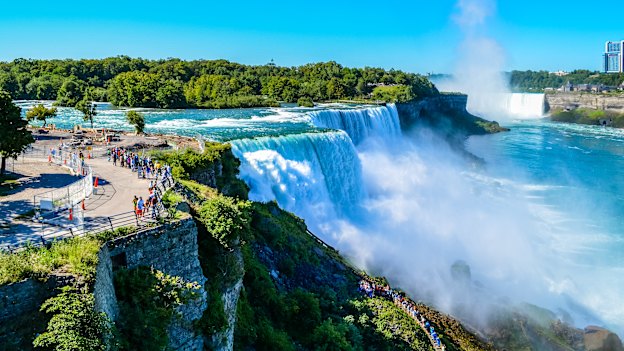
Straddling the border between the US and Canada, Niagara Falls are probably the world’s best-known cascades. The trio of roaring waterfalls – of which Horseshoe Falls is widely considered to be the most impressive – can be witnessed from a range of scenic viewpoints, all gratis. Additional experiences, such as boat rides through the mist or tours of the tunnels behind the falls, are charged, however these are nice-to-haves rather than must-dos.
Parliament Hill, Ottawa, Canada
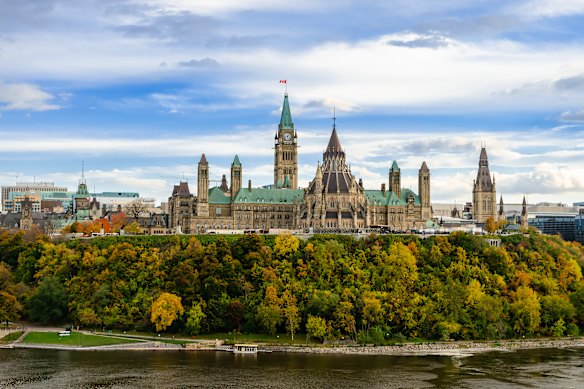
The Canadian capital’s Parliament Hill is graced with several buildings, mostly in Gothic Revival style, that house the federal government. While you have to book tickets, there’s no cost. Be aware when planning that each building requires sometimes lengthy security screening.
The main Parliament Building is currently closed for renovations, but you can visit the Senate (housed in a former train station), House of Commons and the East Block, which houses the historic rooms of the 19th-century parliament.
The complex also has an ultra-modern underground visitor centre. Parliament Hill is the focus of regular celebrations such as Canada Day (July 1), the daily summer changing of the guard, and the regular sounding of the carillon from the Peace Tower.
The High Line, New York
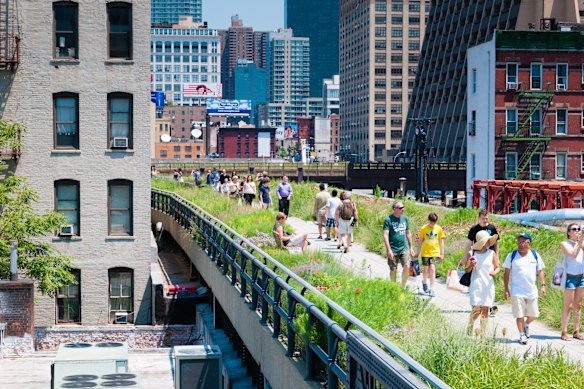
New York might be a notoriously costly city, but one of its attractions that won’t set you back is the High Line. This public park is built on a disused railway line which runs through Manhattan and provides views of the city from nine metres above ground. Despite its elevated position, the High Line is extremely accessible, with lifts and ramps from street level making it wheelchair and pram friendly. The park commissions artworks, runs tours and nighttime stargazing sessions.
What’s still free in Australia
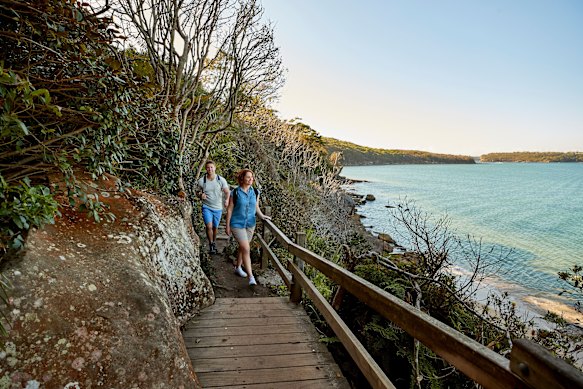
Manly Scenic Walkway, Sydney NSW
The 10-kilometre Manly Scenic Walkway is the best bushwalk you can do in any Australian city, taking you along Middle Harbour from Spit Bridge to Manly via beaches, headlands, Indigenous carvings, pockets of lush vegetation and viewpoints over the harbour towards the city centre, of which Dobroyd Head is the highlight.
Australian War Memorial, Canberra, ACT
The Australian War Memorial requires a booked ticket, but there’s no charge. The Tomb of the Unknown Soldier lies at the centre of the monument, whose exhibitions cover key conflicts such as Gallipoli, the fall of Singapore and the Korean War. The Last Post Ceremony is at 4.30pm. ANZAC Parade beyond is lined by various other commemorative monuments.
Arid Lands Botanical Garden, Port Augusta, SA
We’re blessed with many free botanic gardens but, while some are more spectacular, perhaps none is more Australian than Arid Lands Botanical Garden, which showcases wonderful and sometimes rare outback plants. More than 150 bird species have been spotted on the grounds. A Children’s Garden section makes a visit family friendly.
Burrup Peninsula, Karratha, WA
The Pilbara’s rugged red Murujuga National Park (Burrup Peninsula) features more than 10,000 works of art that constitute Australia’s largest collection of rock art. It’s World Heritage listed, yet there’s no park entry fee. The petroglyphs depict spirits, people and animals. Turquoise coastal views and the wildflowers that erupt in springtime are a bonus.
Museum and Art Gallery of the Northern Territory, Darwin, NT
Despite its compact size, MAGNT will detain you longer than expected thanks to excellent exhibits on Indigenous art, Cyclone Tracy, traditional boats and local wildlife. The museum does a great job of linking Aboriginal, Pacific and South-East Asian cultural influences. Although entry is free, there are occasional paid touring exhibitions and public programs.
With The Telegraph, London