

Source : Perth Now news
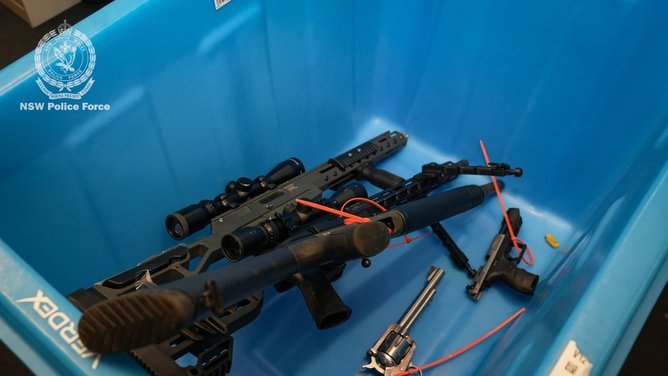
More than 2000 firearms are due to be handed in to police stations around NSW as day one of the controversial National Gun Buyback scheme announced in the aftermath of the Bondi Terror attack comes into affect.
The weapons can only be surrendered “by appointment”, with 331 gun owners already registering to hand in 2420 firearms, as well as 194 ammunition items weighing 1kg or more.
The gun buyback, which was recommended by the Royal Commission into Antisemtisim and Social Cohesion’s interim report, will provide compensation to owners of the guns which have now been reclassified.
Under phase 1 of the scheme, eligible gun licence owners will be paid between $450 and $1000 for their surrendered weapons. While those who hand over 1kg or more of ammunition will pocket $150.
NSW Premier Chris Minns said the buybacks were “fundamentally about reducing gun violence, reducing crime and keeping people safe”.

“Fewer unnecessary firearms in circulation means fewer opportunities for them to fall into the wrong hands. After the horrifying terrorist attack at Bondi, we said we would take big and decisive action to reduce the risk of gun violence in our community – and that is exactly what he have done,” Mr Minns said.
“There are more firearms in circulation in Australia today than there were before Port Arthur. We have made a deliberate decision to put community safety first by reducing the number of firearms in our community, and I make no apologies for that.”
Phase 2, which will involve the handing in of higher-value firearms worth between $3,000 and $10,000, will begin in 2027.
One gun reported stolen in NSW daily
The gun buybacks are believed to affect around 18 per cent of NSW firearm license holders.
NSW Police Minister Yasmin Catley said the buyback scheme will be in place for 12 months.
“On average, one legally owned, lawful gun is reported stolen every day to the NSW Police,” Ms Catley said.

“Any gun can end up in the wrong hands which is why we introduced a suite of reforms to reduce risk, strengthen compliance and safeguards, and reduce the number of guns in our community.
“The strong demand for surrender appointments shows that eligible licence holders are engaging with the Buyback, so we’re making more appointments available to keep up with demand,” she said.
Why the scheme is proving controversial
The buybacks in NSW are intended to function as part of a larger, national scheme, but most other states and territories have hesitated to join for a variety of reasons.
Western Australia has mostly complied with the scheme by launching their own buyback plan, and the ACT has fully submitted to the scheme.

In May, Queensland Premier David Crisafulli said his state would not be joining the scheme, saying the legislation “doesn’t focus on keeping guns out of the hands of terrorists and criminals”.
Mr Crisafulli’s sentiment was echoed by further rejections of the national scheme by the Labor premiers of Victoria and South Australia in the following months.
The straight-pull rifles and shotguns used by Sajid Akram in the Bondi terror attack were legally owned.
More to come.


