Source : INDIA TODAY NEWS
The 60-day window that was meant to take the United States and Iran from a fragile ceasefire to a lasting peace has closed without a final agreement. Instead, Washington and Tehran are further apart over the issues that have kept the war from ending, including Iran’s nuclear programme, US sanctions and control of the Strait of Hormuz.
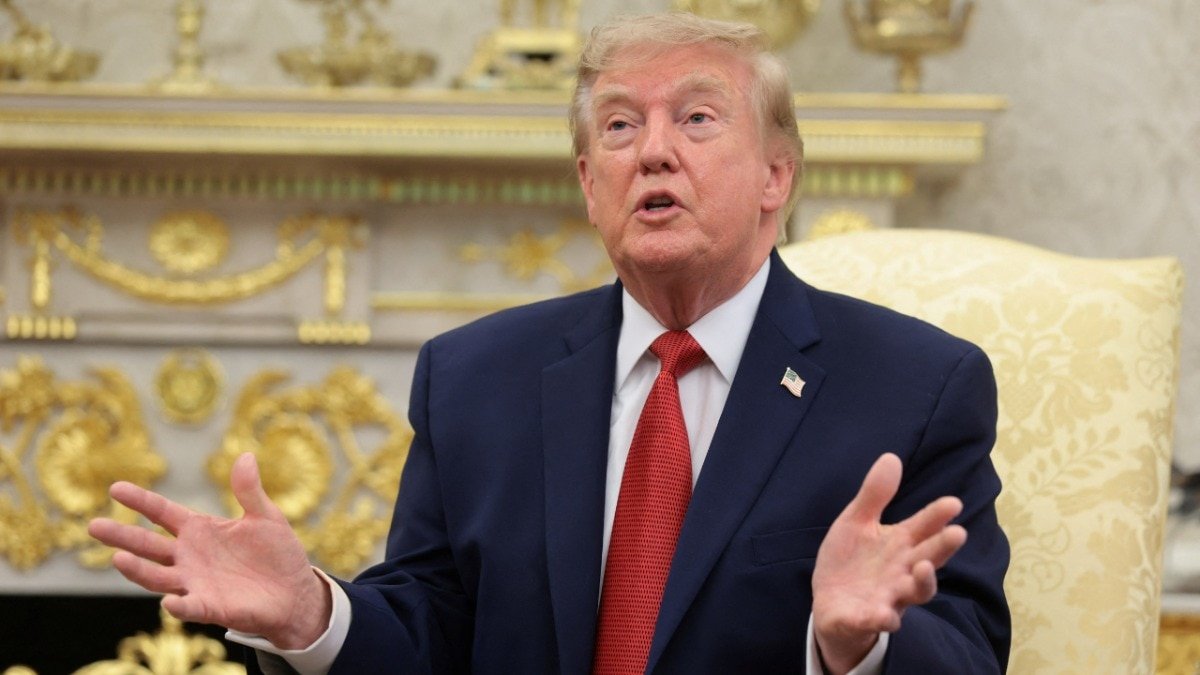
US President Donald Trump said on Monday that Washington is not seeking an extension of the memorandum of understanding signed with Iran in June. Trump also told reporters that Tehran wants a deal but would not agree to the kind of deal he believes is necessary.
advertisement
“Well, they want to make a deal, but they’re not gonna make the kind of deal I feel is necessary. Look, we’re in there for one reason, Iran can not have a nuclear weapon,” the US President responded.
The intermit deal was intended to stop the fighting and create space for negotiations on a broader settlement. Under the interim agreement signed on June 17, Washington and Tehran committed to ending military operations and working towards a final deal.
WE HAVE TOTAL CONTROL OVER THE STRAIT, SAYS TRUMP
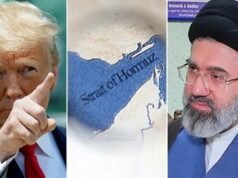
Control of the Strait of Hormuz is still one of the biggest obstacles to the peace deal. Iran has argued that Article 5 of the June memorandum gives it the right to manage the strategic waterway. Iran is also holding separate talks with Oman over arrangements for managing the waterway. Trump has taken an increasingly forceful position on Hormuz. He said on Monday that he favoured declaring the waterway US territory, arguing that Washington already has effective control over it through its naval blockade.
“I like the idea of declaring it a territory. We have total control over the Strait,” Trump said.
He said the US blockade had been effective and admitted that Iran could still create problems by deploying mines in the waterway.
“Now, they can be a nuisance. They could put a mine in the water, and people don’t like having mines hit their billion-dollar ships, you know” Trump said.
“But the blockade has been very effective.”
Trump also claimed that millions of barrels of oil were being taken out of the region each week and said the strait remained open. He also described Iran as being under severe economic and military pressure.
“Iran is in big trouble. They have 300 per cent inflation. The country is a mess and the military is totally defeated,” he said.
60 DAYS, BUT NO FINAL DEAL
The latest series of developments have left little indication that Washington intends to simply extend the existing framework and give negotiations more time.
The framework gave the two sides a maximum of 60 days to negotiate, while allowing the period to be extended by mutual consent. It also included provisions for the US to end its naval blockade of Iran within 30 days. Iran, meanwhile, was expected to ensure the safe passage of commercial vessels through the Strait of Hormuz. The waterway became the most difficult part of the agreement.
But the ceasefire quickly came under pressure.
The US accused Iran of violating the arrangement after Iranian forces attacked commercial vessels attempting to pass through the strait. Washington responded with fresh military strikes. Trump later declared the agreement “over” in July. Tehran, meanwhile, accused Washington of violating its own commitments and rejected the US interpretation of provisions governing Hormuz. With the 60-day negotiating period now over, there has been no final agreement and no clear path towards one.
TEHRAN SETS A NEW DEADLINE FOR US
Iran is now putting its own timetable on the next stage of diplomacy. A senior Iranian official told Reuters that Tehran has shifted from a defensive posture to a “fully offensive” one because efforts to secure a permanent end to the war have reached a deadlock.
“Iranian entities must be prepared to escalate tensions in the Strait of Hormuz and wider region, as Iran will be ready to make decisions and take action on difficult decisions,” the official said.
“Within the short period of a few weeks set by Iran, all the agreement’s provisions must be implemented by the US. This is a precondition for further negotiations with the US,” the official added.
– Ends
With inputs from agencies
SOURCE :- TIMES OF INDIA