

Source : Perth Now news
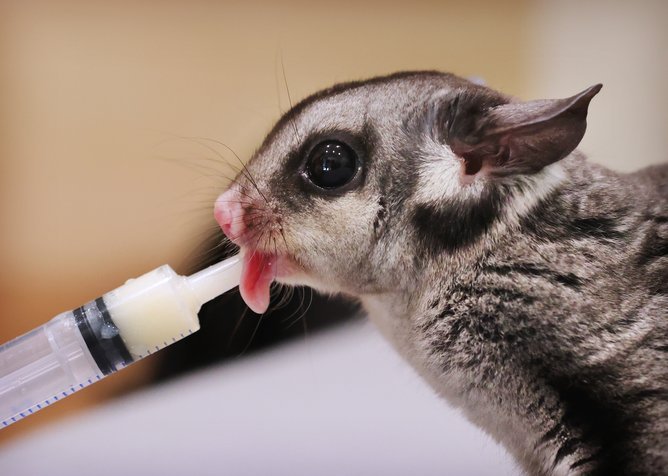
Small but mighty — and incredibly cute — Honey the sugar glider is one of many furry creatures getting cosy at WA Wildlife as the woolly weather persists.
At just seven months, the tiny glider was all eyes and ears as she lapped up a syringe full of milk at the Bibra Lake-based wildlife hospital and rescue.
Honey is just one of more than 190 sick and injured animals being nursed back to health through the winter months.
Wattle, a young woylie or brush-tailed bettong, relished the opportunity to be hand-fed some avocado while rugged up in the arms of WA Wildlife’s Lauren Mills.
Woylies are a near threatened species as their population continues to dwindle. It makes looking after little ones like Wattle even more important.
Ms Mills said dozens of wildlife species will look to the cosiest corners of Australian bushland to seek shelter as the temperatures continue to plummet.


“They all have their own natural areas where they go to, depending on whether it’s winter, spring or summer,” she said.
The Bibra Lake rescue and rehabilitation service has been rescuing, treating and conserving native wildlife since 1998. And its purpose-built hospital facility has room to house up to 10,000 animals every year.
“We see a lot of illness and injury through human impact whether it be through vehicle accidents, injuries and illnesses,” she said.
The non-profit wildlife hospital has had more than 2700 admissions this year, with more than 300 of those this month alone.
Among the other critters being nursed back to health is AJ the western ringtail possum, who took a moment to sniff out his neighbour, Wattle.


Western ringtail possums are critically endangered, with their only remaining habitats in the south-west of WA between Busselton and Albany.
The littlest of the gang is Emoo, a four-month-old Tammar wallaby, who spends most of his time snoozing in a pouch and keeping warm, doing his very best to grow.
Tammar wallabies are native to Western and South Australia, with the first recorded sightings believed to be in the 17th century by survivors of the Batavia shipwreck.
Ms Mills said her message to look after native wildlife was simple: “Let them do what they do, naturally.”
“We’ve got to make sure we’re being cautious on the roads and providing food for them is really not the best of ideas . . . we are trying hard to help these animals, but we don’t realise how much we’re actually hindering them,” she said.
“When we feed animals they come to that same area all the time and they start to learn to be dependent on humans, which is not what to be doing in the wild.”


