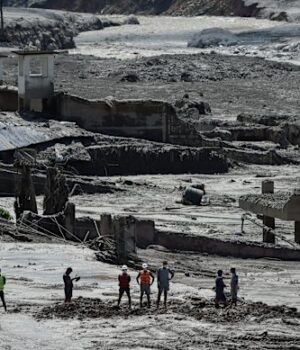
Source : the age
In the wake of the deadly flash floods across Nepal, here is what you need to know about travel insurance if you are planning a trip or are already in the country.
I’m already in Nepal. Am I covered?
“Natural disasters such as floods and landslides are usually covered by travel insurance,” says Natalie Smith, spokesperson for comparetravelinsurance.com.au. “For travellers already in Nepal, the key question is whether the disaster has directly affected their trip.”
If you’re stranded, injured, or unable to continue, comprehensive policies typically assist with medical care, additional transport, and accommodation.
However, Smith warns that travellers shouldn’t assume every cost is automatically covered. Coverage and payouts depend heavily on individual policy tiers, purchase dates, and specific circumstances. What you can actually claim varies significantly between providers. For instance, some providers – like Tick – require an optional policy upgrade for cancellation, cutting a trip short and additional emergency expenses that occur as a result of a natural disaster.
What if I have upcoming Nepal travel plans?
If a natural disaster directly damages your hotel or cancels transport, policies bought before the event generally cover non-refundable losses.
However, timing is critical. Major providers – like Cover-More – set cut-off dates: policies purchased before August 27, 2026, may cover flood disruptions, but policies bought after that date classify the disaster as a “known event” and exclude related claims. If you hold a valid pre-August 27 policy and are unable to return to Australia on time, you’re likely eligible for an automatic free policy extension until you can travel home, according to a Cover-More spokesperson.
“We are encouraging customers who have been affected and need emergency or travel assistance to contact our 24-hour emergency team,” the spokesperson said, while also urging travellers to monitor Smartraveller advice.
Deciding to cancel simply out of concern also will not elicit a payout. “If your travel arrangements are operating normally and you simply decide you no longer want to go, that would generally be considered a change of mind rather than an insured event,” Smith says.
What should travellers check?
Nepal travellers should ensure their policy covers maximum trekking elevation, which may require optional high-altitude add-ons. Some insurers require policyholders to purchase a specific natural disaster upgrade for cancellation coverage. Claimants are also required to contact their airline and tour operators for refunds before lodging an insurance claim.