Source : INDIA TODAY NEWS
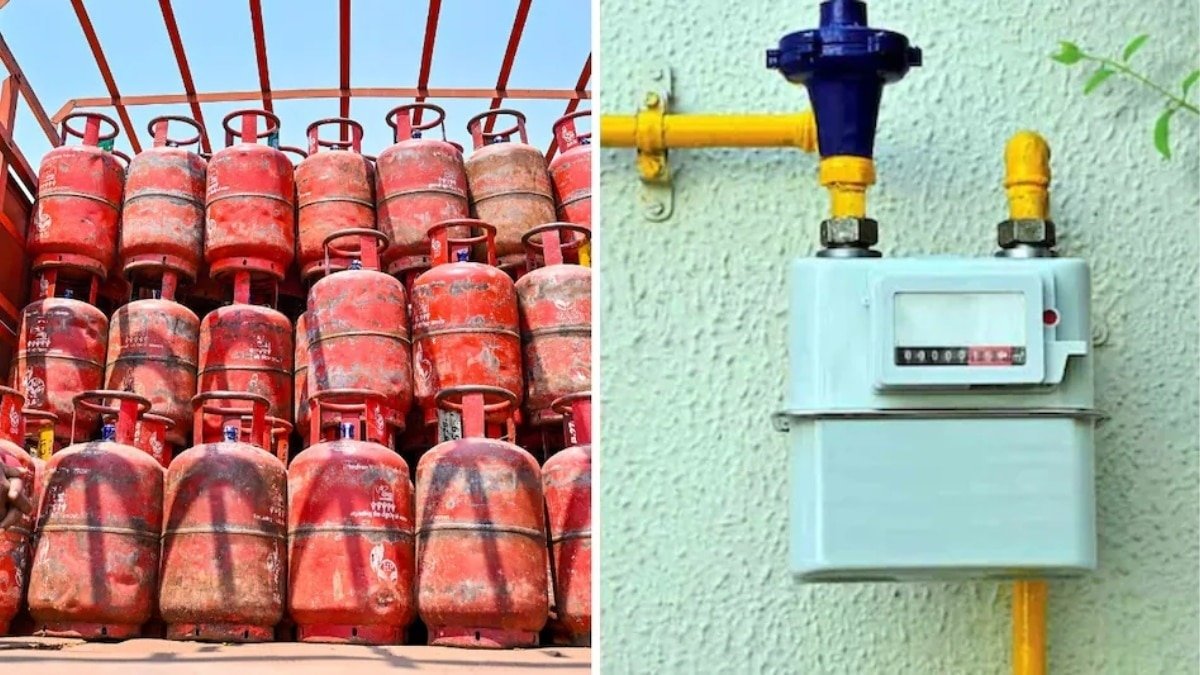
The government wants more households to move from LPG cylinders to piped natural gas (PNG) as it looks to reduce its dependence on imported cooking fuel. The push comes at a time when the US-Iran conflict has disrupted fuel shipments and increased import costs.
The government has now introduced an incentive for city gas distributors to encourage more households to take up and actively use PNG connections.
advertisement
WHAT IS THE GOVERNMENT OFFERING?
From September, city gas distribution companies will receive an additional 200 standard cubic metres of cheaper, domestically produced gas for every household they connect to PNG that starts using and paying for the service.
The incentive is aimed at encouraging gas distributors to activate existing but unused PNG connections and expand their pipeline networks to reach more homes.
The government expects the cheaper gas to bring down sourcing costs for distributors and make new connections more financially viable.
WHY IS THE GOVERNMENT PUSHING PNG?
India relies heavily on imports to meet its LPG demand. Around 60% of the country’s LPG requirements are met through imports.
In 2025, India imported around 22 million metric tonnes of LPG, mainly from the Middle East, spending nearly $12 billion. Any disruption in supplies or rise in international prices can therefore increase the country’s fuel import bill and put pressure on the cost of cooking gas.
The ongoing conflict in the Middle East has brought this dependence into sharper focus. The government is now looking to strengthen domestic gas use and reduce some of the pressure created by LPG imports.
LPG STILL DOMINATES INDIAN KITCHENS
Despite the push for PNG, LPG remains by far the more widely used cooking fuel in Indian homes.
India had around 331.4 million active household LPG customers as of July 1, compared with about 17.4 million domestic PNG connections.
This large gap shows the scale of the shift the government is trying to encourage.
For households already connected to PNG but not using it, the new push could also make it easier for gas distributors to bring those connections into regular use.
WHY DISTRIBUTORS ARE BEING INCENTIVISED
Expanding PNG networks requires distributors to invest in pipelines and new connections. The government said the additional supply of cheaper domestic gas could help distributors recover these investments in about three years, compared with roughly 10 years earlier.
The incentive could therefore encourage companies to expand their networks more quickly and convert unused connections into active customers.
Since the conflict began, companies including Indraprastha Gas, Mahanagar Gas, GAIL Gas and Bharat Petroleum Corporation have also offered incentives such as lower installation charges to encourage households to take PNG connections.
WHAT THIS MEANS FOR HOUSEHOLDS
For consumers, PNG offers the convenience of a continuous gas supply without the need to order, store and replace LPG cylinders.
However, PNG is not available everywhere. Its use depends on whether a pipeline network has reached a particular neighbourhood.
The government’s latest move is aimed at addressing this gap by encouraging city gas distributors to connect more households and make better use of existing infrastructure.
In other words, India’s dependence on imported LPG makes global fuel disruptions an important concern for the government. Moving more households towards domestically supplied PNG could help reduce this dependence over time.
The immediate target is not to replace LPG overnight. Instead, the government is using incentives to encourage more households to use piped gas where the infrastructure is available, while giving distributors a stronger financial reason to expand the network.
– Ends
SOURCE :- TIMES OF INDIA