Source : INDIA TODAY NEWS
The internet is officially in its “maxxing” era — going all-in on optimising something. Sleep-maxxing, looksmaxxing, friction-maxxing, fibre-maxxing, pheromone-maxxing (this one might stink), and the list goes on. The latest trend that has become a wellness buzzword is ‘Lakshmi-maxxing’. You have probably already heard of it, as it has been subjected to severe backlash already.
Now, this one definitely piques curiosity. You can roughly understand sleep-maxxing — it is related to optimising sleep — but this one builds a little bit of suspense.
advertisement
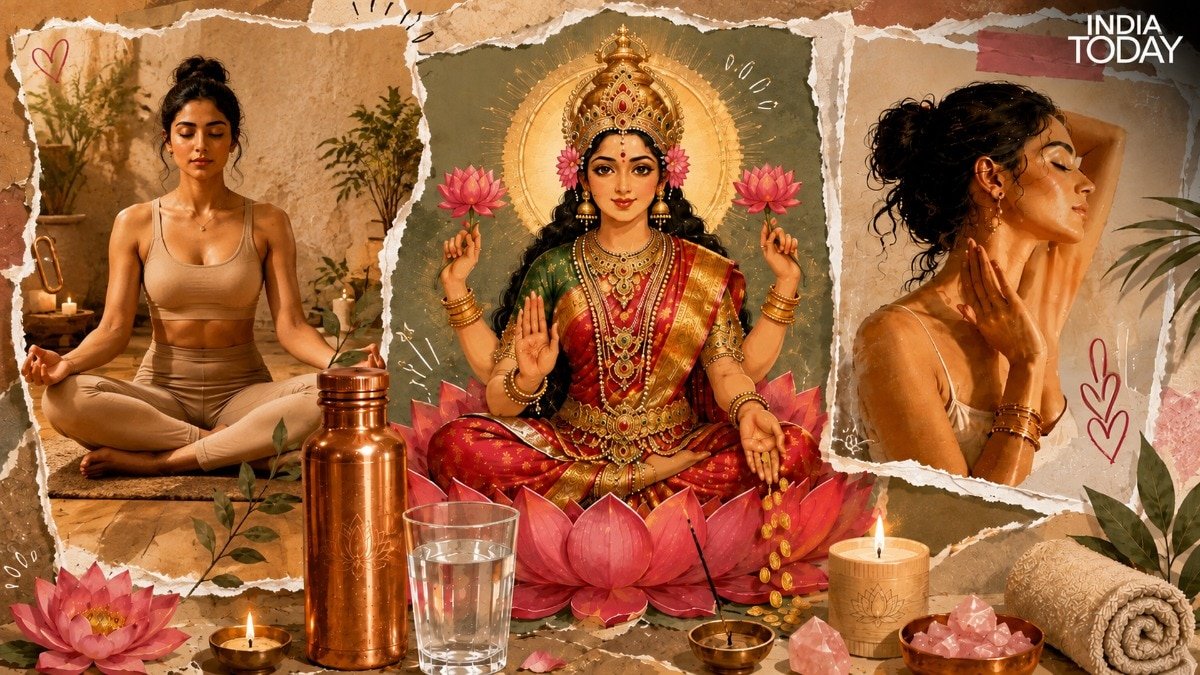
To put it simply, ‘Lakshmi-maxxing’ is a social media wellness trend that takes inspiration from Hindu Goddess Lakshmi and turns ideas associated with her — beauty, abundance, purity and prosperity — into modern lifestyle and self-improvement habits for self-care, personal growth and manifesting abundance.
The trend reportedly gained traction after Ayurvedic practitioner and wellness mentor Lisa Power, known online as the ‘well_witch’, began posting about ‘Lakshmi-maxxing’. Her videos encouraged practices such as waking up during Brahma Muhurat, practising abhyanga or self-massage, drinking warm water from a copper vessel, chanting Lakshmi mantras, offering flowers to the goddess, treating pleasure as a ritual, and more, while generally creating a more intentional, beautiful and nourishing life.
But why Goddess Lakshmi?
If you look at the symbolism, as per Hindu traditions, Lakshmi is a revered goddess of prosperity and good fortune, but her symbolism extends beyond money and pretty things.
She is associated with abundance, well-being and auspiciousness, and is worshipped in homes and businesses, particularly around Diwali. The lotus, elephants, flowing water and other elements commonly associated with her imagery carry layers of religious and cultural meaning.
And that is where the internet debate begins.
‘Lakshmi-maxxing’ controversy
Critics argue that when Lakshmi is reduced to glowing skin, expensive-looking clothes, femininity and “manifesting abundance”, something gets lost in translation. The concern is not that people are practising self-care or learning from Indian traditions. It is that a figure worshipped by millions can suddenly be presented as a lifestyle formula.
The debate now centres around culture appreciation vs culture appropriation.
Indian social media creator Akansha Krishnani explained that while she is glad that Indian philosophy, wisdom and science are finding an audience around the world, she believes the problem begins when a “culture is being turned into a trend, a product, a marketing strategy.” She explains that in the process, things can get lost in translation as the context, traditions and language surrounding them are stripped away, leaving behind an Instagrammable aesthetic.
Another creator’s blunt response was: “Stop maxxing Indian culture and start crediting it.”
For many Indians, this frustration is also about a larger pattern: the feeling that familiar Indian things become “new” and aspirational once they are wrapped in a new label.
Oh, and then the meme fest begins.
The recent one is the “chic chrome plates” that the West has discovered. But hello, that’s always been an Indian household staple — the thali — since ages. Then there are internet jokes about Indian dupattas being rediscovered as Scandinavian scarves, Kolhapuri chappals appearing as luxury fashion, and more.
The joke, really, is not that someone discovered a scarf, a slipper or a steel plate. It is the rebranding, and how things that have been part of Indian culture for generations suddenly acquire a glossy new vocabulary, and sometimes a higher price tag.
So, what’s your take: is this culture appreciation or appropriation?
– Ends
SOURCE :- TIMES OF INDIA