
Source : INDIA TODAY NEWS
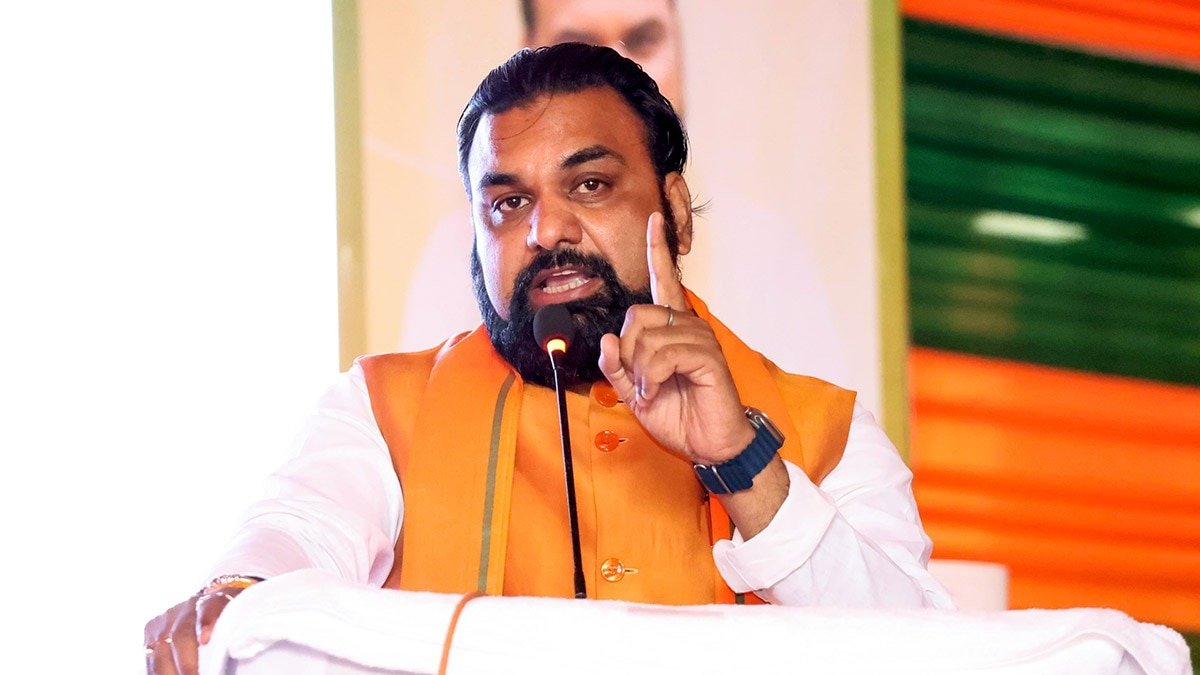
Bihar Chief Minister Samrat Choudhary’s statement that he would “pick up his bag and leave” if directed by the party has sparked fresh political debate in the state.
The remark came amid the ongoing controversy surrounding government bungalows in Bihar. Speaking at an event in Muzaffarpur on Tuesday, Choudhary said government residences are not personal property and leaders should vacate them after leaving office.
advertisement
“The day my party and leaders say my role is over, I will pick up my ‘jhola’ (bag) and move to my private house within 24 hours,” he said.
The statement quickly attracted attention, with many drawing parallels to Prime Minister Narendra Modi’s earlier remarks about being a “fakir” who could “pick up a jhola and leave” at any time. Modi’s comments were widely seen as projecting detachment from power and position, and Choudhary’s remark is being interpreted by many in a similar vein.
However, the comment has generated interest not only because of its resemblance to Modi’s rhetoric but also because of the political backdrop against which it was made.
The remark has intensified political discussions due to speculation within Bihar’s political circles that Choudhary’s elevation as Chief Minister may not have been welcomed by certain senior BJP leaders who rose through the party organisation, including Union Minister Nityanand Rai and senior BJP leader Vijay Kumar Sinha.
While there has been no public statement or official indication of any internal discord, such discussions have continued to surface within sections of the Bihar BJP, leading some observers to view Choudhary’s comment through a broader political lens.
At the same time, Choudhary’s assertive governance style since assuming office has drawn considerable attention. His government’s anti-corruption drive and recent action against senior bureaucrats, including the suspension of two IAS officers, have been among the most talked-about decisions of his tenure so far.
The government has projected the crackdown as evidence of its zero-tolerance approach towards corruption. However, the moves have also triggered discussions within bureaucratic circles about accountability, administrative pressure and the changing power dynamics within the state administration.
Against this backdrop, some political analysts believe the “jhola” remark was also intended to project Choudhary as a disciplined and committed party leader who remains willing to relinquish power if required by the organisation.
The statement also came amid the controversy surrounding the government bungalow allotted to former chief minister Rabri Devi. The opposition RJD has accused the NDA government of adopting double standards in matters related to the allotment of official residences, turning the issue into a political flashpoint.
In politics, remarks about voluntarily stepping away from office often fuel speculation about internal pressures, leadership equations or political rivalries. Yet, there is currently no indication of instability within the NDA government in Bihar. Neither the BJP nor its allies have suggested any possibility of a leadership change.
Nevertheless, Choudhary’s “jhola uthake chale jayenge” remark has emerged as a significant political talking point in Bihar, fuelling debate over whether it was merely a statement on public office, a message of loyalty to the party, or a signal aimed at a wider political audience.
– Ends
SOURCE :- TIMES OF INDIA