

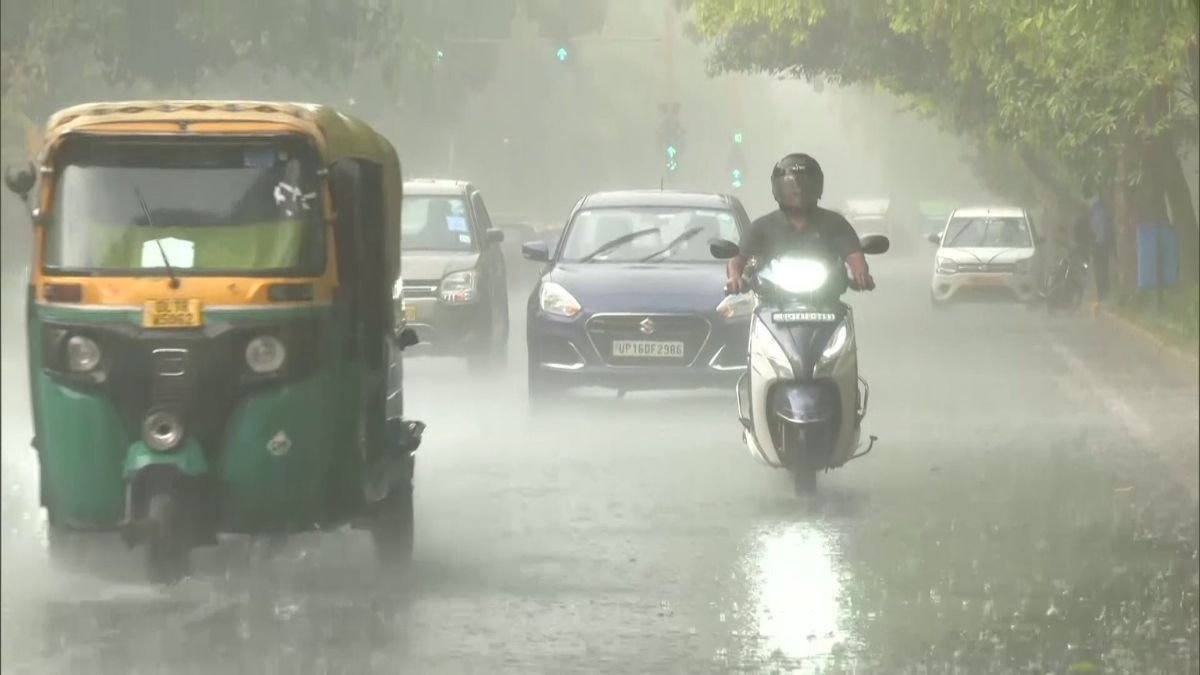
Source : INDIA TODAY NEWS
Delhi is drenched. On Saturday, May 30, a fierce pre-monsoon storm tore through the capital and its surrounding region, snapping weeks of brutal heat and dropping temperatures by nearly 10 degrees Celsius within hours.
But what actually caused the skies to open up? The answer lies thousands of kilometres away, in the Mediterranean Sea.
WHAT IS A WESTERN DISTURBANCE?
The culprit behind today’s rain is a weather phenomenon called a Western Disturbance.
advertisement
Think of it as a travelling storm system that begins its journey near the Mediterranean and Black Sea region, picks up moisture along the way, and barrels eastward through Iran, Afghanistan, and Pakistan before reaching northwest India.
These are extra-tropical systems, which means they form outside the tropics, in the cooler, stormier mid-latitudes.
When a Western Disturbance arrives over north India in May, it collides with two things: extremely hot, dry air sitting over the plains and moist air drifting in from the Bay of Bengal.
That collision is meteorological dynamite.
The atmosphere becomes unstable, warm air shoots upward rapidly, and giant storm clouds called cumulonimbus towers form overhead.
The result is thunderstorms, gusty winds reaching 50 to 80 kilometres per hour, hail, dust storms, and heavy rain.
IS THIS THE MONSOON YET?
Not quite. The southwest monsoon typically arrives in Kerala in early June before slowly marching northward.
What Delhi received today is pre-monsoon rainfall, a seasonal warm-up act. It is ecologically valuable: it cools heat-stressed soil, suppresses dust and pollution, and benefits early crops.
However, if rainfall is too intense, it can cause waterlogging and flash floods.
The India Meteorological Department (IMD) has forecast below-normal monsoon rainfall for 2026, at roughly 90 per cent of the Long Period Average, partly due to developing El Nino conditions in the Pacific Ocean.
El Nino refers to an unusual warming of the central Pacific that disrupts rainfall patterns globally.
For now, though, Delhi is breathing again.
– Ends
SOURCE :- TIMES OF INDIA