Source : Perth Now news
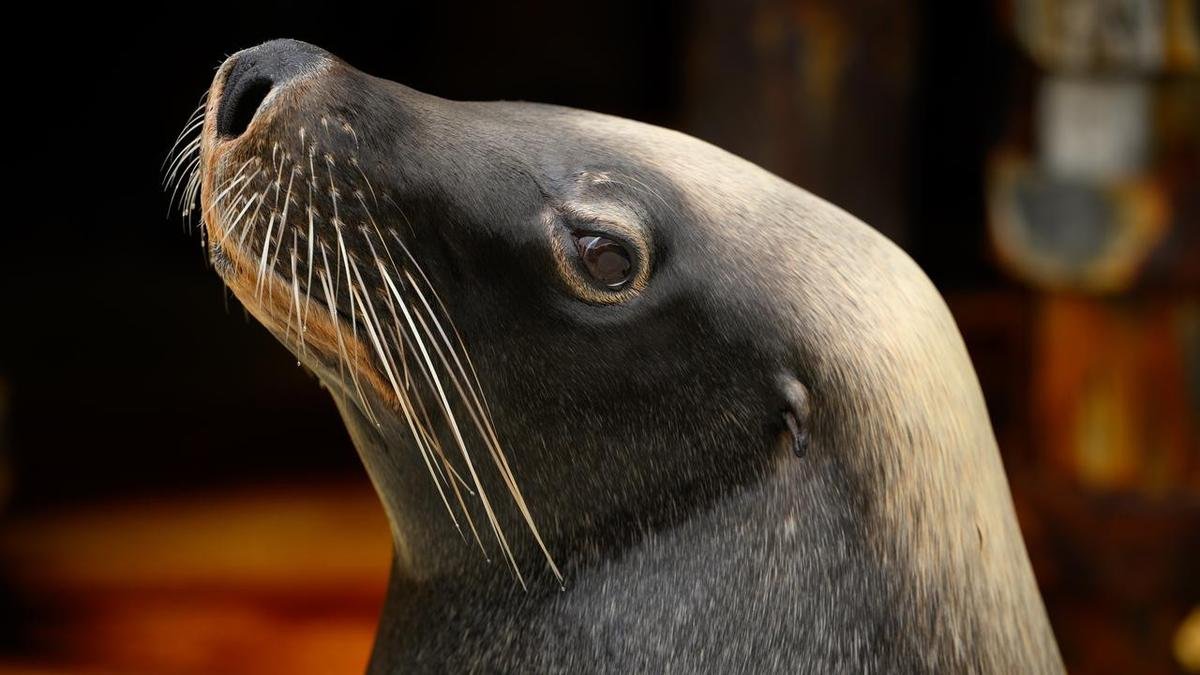
Four sea lions have tested positive for bird flu after the infectious disease spread to a key breeding ground for the endangered species.
The sea lions, including one pup, were among 14 found dead across islands off the South Australian mainland.
All four of the positive cases were found across North Page and South Page islands, among the state’s most significant breeding grounds.
The two islands were also the scene of a recent mass mortality event involving crested terns, with about 900 of the sea birds found dead.
South Australian Environment Minister Emily Bourke said the discoveries were significant but not the first of their kind.
“This isn’t new in the sense of a new species or a new event, but it is an event of significance to be highlighting today,” she told reporters on Monday.
It marks the first event in which multiple sea lions have tested positive for the disease, sparking fears the endangered species may be at risk.
“Multiple deaths in a single location could indicate that devastation is just around the corner,” Invasive Species Council chief executive Jack Gough said.
“This is just one population in one location, but the threat we are facing is continental in scale.”
The detections bring the number of confirmed cases in sea lions to five, after an earlier confirmed case at Kangaroo Island on September 13.
The 14 dead sea lions were spotted through aerial surveillance, with 12 on the Pages islands and a further two on nearby Liguanea Island.
Only 10 were able to be tested, with four being found in too severe a state of decomposition to draw samples from.
Conservationists have warned sea lions, listed as endangered both in Australia and internationally, could be devastated by the H5N1 bird flu.
The species was re-assessed from “vulnerable” to “endangered” in 2021 after the local population fell by a reported 60 per cent over four decades.
Ms Bourke said the state government was working with its federal counterpart to get Australian approval for an experimental vaccine for mammals.
A separate vaccine program targeting birds has also begun at Cleland Wildlife Park, southeast of Adelaide’s city-centre, where more than 150 birds have been vaccinated.
“A lot has been achieved in two months,” she said, adding separate preparedness and resilience programs formed part of broader efforts.
There have been 583 confirmed bird flu events across Australia since it was first detected in June, including 303 in South Australia alone.
Under national protocols, H5 bird flu detections are reported as events rather than individual animal detections.