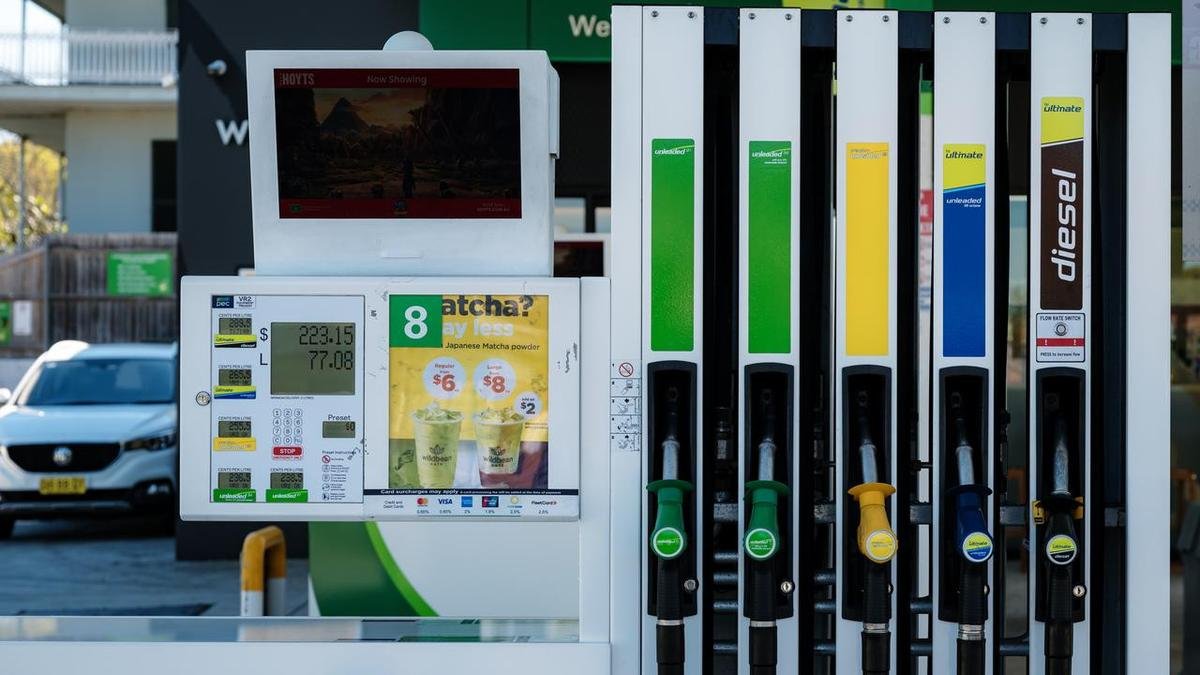
Source : Perth Now news
The international release of 100 million barrels of diesel and crude oil to ease supply worries has been welcomed locally.
However, the Group of Seven (G7) countries’ agreement, along with a pledge not to impose export restrictions, would probably not impact Australia, Energy Minister Chris Bowen said.
With the United States stepping up pressure on Europe to release strategic reserves and threatening a diesel export ban, G7 leaders held a video conference.
The overnight talks, chaired by French President Emmanuel Macron, agreed to a co-ordinated release over four months via the International Energy Agency.
“I do welcome the actions of G7, particularly the confirmation by the United States that they are not intending to put any restrictions on diesel supply,” Mr Bowen told reporters on Saturday.
“Australia hasn’t been getting much diesel or fuel from the United States, about two per cent but … any restrictions on exports are a blow to international fuel movements.”
Mr Bowen said Australia had achieved something similar at home by reducing its minimum stock obligation requirements by 20 per cent.
The arrangement, which will remain in place until January, means Australia’s fuel suppliers have the flexibility they need to meet domestic needs.
Asked whether the G7 release would help ease Australian bowser prices at all, Mr Bowen said the more fuel allowed to flow, the better it was for everyone but he declined to quantify the possibility.
While the international situation remained volatile, he said Australia’s supply was secure.
The nation has 41 days’ worth of petrol on hand – a day less than last week.
There are 32 days of diesel in reserve and 28 days of jet fuel.
Fifty ships carrying supplies are on their way to Australian ports – five more than a week ago – and 3.6 billion litres of fuel are contracted to be delivered in the next four weeks.
According to Petrol Pulse, the national capital city average price for unleaded 91 as of early October was $2.38 per litre, while diesel averaged $2.85 per litre.