Source : the age
Today’s column is flong. Old-time printers will know flong as a mould made from wet pulp, shaped by a metal stereotype then pressed upon the page. The inky mess shares its roots with flan, an industrial dessert ideal for producing script. Upstairs, away from the printers’ chapel, journos knew flong as any non-topical article used to bolster a slow news day.
Like this column: pure flong, a column free of time-hook or current affair. Unless you count the hellstorm of global news, the fuel crisis, the AI squeeze, Gaza, Ukraine, Trump. Because everyone needs to untether for a moment. Be that music or running. Or reading a dictionary, in my case. Haphazardly, I should add. Not A to Z, as that would be insane. Rather I sift a random double-page of words each morning, jotting down the novelties (like flong) I find in the Collins English Dictionary (2018).
Dear reader, the treasures I’ve found. Words such as delope, meaning to shoot your pistol deliberately above the head of your opponent to call off a duel. Or petalism, a botanical variant of ostracism used in ancient Syracuse where the issuing of an olive leaf spelt a five-year exile to any dissident citizen – perhaps a practice we could revive in Canberra.
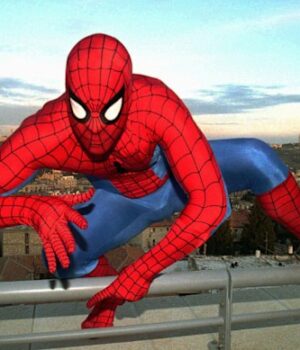
Dropping such words into conversation isn’t easy, believe me. Saying stuff like “I love your ristra” (that chilli string you hang in your kitchen), or “Spider-Man is a stegophile” – one who loves to climb buildings, only for the chat to sputter for want of footnote.
Traditional Finnish zitherers will know their instrument as a kantele while the rest of the world probably won’t care. Bar words nerds who can’t wait to meet a gytrash – a ghostly dog on a lonesome road – if only to put their vocab into action. Ditto for stupe, a damp cloth. Or nesh – sensitive to cold. Or cabestro – a horse’s halter made of hair. Perhaps the soft hair found on a dog’s foreleg – or culotte.
Okay, so a Japanese abacus (or soroban), let alone a semainier (tall chest with seven drawers) won’t crop up in your nearest op shop soon, yet modern life may offer scope to mention epanodos: to return to the main topic after a detour. Or talion: the eye-for-eye legal principle that the punishment should fit the crime. Or handsturn: amount of time taken to complete a piece of work. “Hey Pablo, what was your handsturn for Guernica?”
Two pages a day – that’s the plan. From screeve (to write a begging letter) to scrobble (to use a listener’s musical preferences as a means of recommending similar tunes) before I can start breakfast. God knows what the overall handsturn will be, but the matutinal gratulation (morning joy) of meeting umwelt (the environmental factor that influence an animal’s decision) or chorizont (person who challenges authority) hasn’t dimmed.
Some people choose power walking or Gilmore Girls to find their bliss. Maybe a gratitude journal, a 10-minute window to focus on their breathing. Whatever life hack can offset the noise for a beat is vital. For me, it’s racahout (acorn flour) with a bowl of macallum (ice-cream with raspberry sauce) for dessert. Then breakfast, the day already redeemed with flong.
 David Astle is the crossword compiler and Wordplay columnist for The Sydney Morning Herald and The Age. He is a broadcaster on ABC Radio Melbourne.