

Source : Perth Now news
Keli Lane’s partner of 17 years Patrick Cogan and her daughter have broken their silence after the convicted baby killer was denied parole under NSW’s “no body, no parole” legislation two years ago.
Lane, now 51, was convicted of murdering her newborn baby after a jury found her guilty over the death in 2010. She has continued to maintain her innocence.
She was sentenced to 18 years in jail and became the first prisoner in NSW to be denied parole under the laws in 2024.
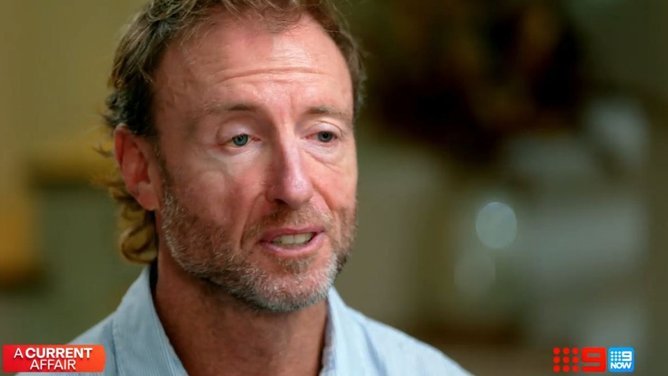
“Keli Lane wouldn’t hurt a flea,” Mr Cogan told A Current Affair.
“She is kind. Very, very kind.
“Whether you think Keli did it or didn’t do it, she served her time.”
Mr Cogan picks up his partner every Sunday and drives her back to prison, saying their relationship has become stronger over time.
He is now fighting to bring her home so she can spend time with her elderly parents and other daughter.
“(Her daughter) was nine when her mum went to jail (and) never came home,” Mr Cogan said.
“She’s been hurt more than anybody else in this situation.
“She’s lost a mother. She’s the biggest victim (and) missed out on so much.”
Mr Cogan believes his partner’s high profile has stopped authorities or politicians from releasing her from prison.
“I’ve very strong emotions around it, and the part of me that looks forward to the day where we are looking to overturn this to show that it wasn’t meant to be a conviction,” he said.

Lane, a former champion water polo player, gave birth to Tegan in Sydney’s Auburn Hospital on September 12, 1996 and was discharged with her daughter two days later.
Former Supreme Court Justice Anthony Whealy found by the time Lane returned to her parents’ home in Fairlight that afternoon, she had murdered Tegan and disposed of her body.
Lane insisted she gave the child to her father, a man named Andrew Norris or Morris.
“I must reject this explanation,” Justice Whealy said in his 2011 decision.
“I accept, as I am bound to do by the jury’s verdict, that the offender deliberately and intentionally caused the death of Tegan.”
Under the no body, no parole laws, prisoners who refuse to reveal the location of their victim’s body or have been found to have not co-operated to find the remains of a victim will not be granted parole.
The NSW State Parole Authority (SPA) said in 2024 it was not satisfied that Lane had co-operated satisfactorily in police investigations, or other actions, to identify the location of Tegan’s remains.
“In the Authority’s view, the verdict of the jury, the acceptance of the Crown case and the rejection of the offender’s case which are reflected in that verdict, and the findings of the sentencing judge which are consistent with such verdict, constitute information going to the issue of the offender’s capacity to provide co-operation,” Parole Authority chair Geoff Bellew said.

Ms Lane’s other daughter, who wished to remain anonymous, is now 25 and told ACA she is the “forgotten victim in this situation”.
“Sixteen years ago, just before Christmas, my mum dropped me off at school and never came home, I was only nine years old,” she said in a letter.
“For the past 16 years, I’ve grown up without my mum being part of my everyday life.
“The no body, no parole law was rushed through parliament to address the understandable needs of another grieving family.
“However, that law has been applied to my mum’s case without proper consideration of her individual circumstances or the fact that she was weeks away from completing her minimum sentence.
“Throughout all of this, very few people have considered how these decisions have affected me.
“My hope is simple: that my mum can come home and that I can spend meaningful time with her, that is all I wish for.”