

source : the age
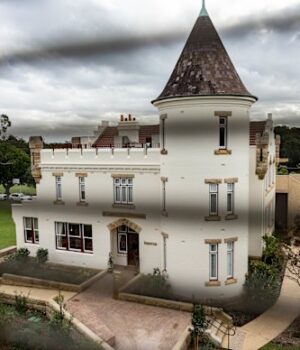
A Sydney private school run by a church banned from caring for children was flagged nearly two dozen times in reports that children were suspected of being put at risk of significant harm, but has never been visited by authorities, new documents reveal.
A parliamentary inquiry into Redeemer Baptist School in Parramatta – triggered by a joint investigation by The Sydney Morning Herald and 60 Minutes – has revealed multiple failings in the state’s child protection agencies.
The reports detailed allegations that the acclaimed school denies teachers wages and enforces extreme control over members, dictating student’s underwear choices and forcing children to live with staff.
Former staff and students told the ongoing inquiry they suffered sexual, physical, emotional and spiritual abuse, urging the government to classify the school and its associated church as a system of group-based coercive control. Some alleged in the inquiry it was a cult.
In answers to questions on notice, the Department of Communities and Justice (DCJ) revealed it had received 15 risk of significant harm (ROSH) notifications involving children from the school since 2004 but not a single report ever triggered an on-the-ground, face-to-face field assessment.
Instead, the department relied on phone assessments and referrals to other agencies to clear child welfare reports at the school, despite whistleblowers and former students alleging systemic control, abuse and forced communal living.
Under NSW law, a child is deemed at risk of significant harm if there are safety or welfare concerns for a number of reasons, including assault, sexual abuse, psychological harm and neglect. The DCJ declined to confirm under which categories the ROSH reports fell, confirming only that they involved children enrolled at the school.
It follows revelations by this masthead that in 1981, Redeemer Baptist Church was banned from providing out-of-home care for foster children due to concerns over isolation and family separation.
At least 50 children, some of whom gave evidence to the inquiry, have lived on the school grounds, including in elders’ homes.
The ban followed the case of Elizabeth Bradbury, who said she was dragged by her hair by members who limited her access to her biological mother.
Despite the ban, state educational authorities granted the community school registration and accreditation two years later. Asked if the Department of Youth and Community Services, now the DCJ, ever notified education authorities of the ban, executive director of child protection Nicholas Backo said the department could not confirm due to the age of the records.
A spokesperson for Redeemer Baptist School said the institution took its child safety obligations extremely seriously and held an “unblemished record of compliance with both state and federal regulators” over its 45-year history.
The spokesperson said the school and church were “separate entities and should not be conflated” – a claim repeatedly contested in submissions made to the inquiry.
“Redeemer Baptist School and Redeemer Baptist Church were inseparable,” one former student wrote in submissions to the inquiry. Another submitted there was “no meaningful distinction between spiritual authority, educational authority and community authority”.
In a statement, a Redeemer community spokesperson said that while there were “differences of view” regarding foster care placement models in the early 1980s, its relationship with the DCJ has “remained co-operative”, and the department later resumed placements with Redeemer families.
However, historical records show that in 1983 only a single exception was made allowing a previously placed child to remain with two parents in the church community, on the condition the community not be used for future substitute care placements.
In its responses, the DCJ confirmed there was no evidence the ban was ever revoked, noting a subsequent request by Redeemer to overturn the decision was declined.
Asked whether the 1981 ban surfaced during later child protection reports, Backo said the DCJ has since taken steps to merge legacy databases into its current system, though some historical records remain accessible only via the state’s record-keeping regulator.
Start the day with a summary of the day’s most important and interesting stories, analysis and insights. Sign up for our Morning Edition newsletter.
 Emily Kowal is a Walkley award-winning education reporter for The Sydney Morning Herald.Connect via email.

