

Source : THE AGE NEWS
Australia is, by most measures, a migration success story.
First- and second-generation migrants make up over half the population, diversity is generally celebrated and the nation is outperforming many peers in social and economic resilience.
Yet anxiety about the scale and rate of overseas migration since the Covid-19 pandemic is growing in the community.
Many people want the migration rate lowered or even pushed into net negative territory, and politicians are responding to what sections of the public are telling them.
Today’s report by federal political correspondent Natassia Chrysanthos and senior economics correspondent Shane Wright sheds light on the real implications of what some of our leaders are proposing.
They have used Parliamentary Budget Office tools to run the rule over some of the proposals, based on the idea that this emotive debate must be underpinned by economic facts.
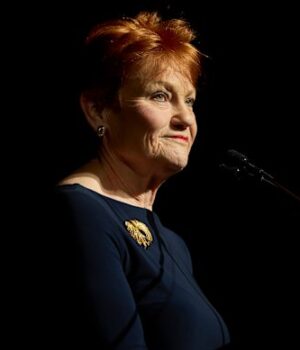
One Nation’s proposal is the most radical. While specific detail is scant, the right-wing populist party has pledged to push migration numbers into net negative territory for three years before allowing them to rise again.
The Parliamentary Budget Office tools suggest this would have a massive impact on the nation’s finances.
The federal budget would remain in deficit for more than a decade, and national debt could be expected to rise by an extra $275 billion, while economic output would be cut by $212 billion over the next decade.
At a time when most Baby Boomers and in retirement and older members of Generation X are entering their 60s, there would be 820,000 fewer taxpaying workers in the country under the One Nation plan.
The Coalition has framed its proposed changes as the “biggest migration cut in the nation’s history”.
It has promised that the cost of its changes, which include cutting net migration drastically to 100,000 people per year for two years if elected, would be offset by a focus on skilled migration.
Whether the proposal would be revenue neutral as promised remains up for debate, because the Parliamentary Budget Office tools assume current policy settings, not the tweaked settings proposed by Angus Taylor’s opposition.
There would be some carve-outs to protect migrant workers in the health, aged care and education sectors, he has said.
The Coalition’s numbers, under today’s migration settings, would lead to debt at $1.54 trillion.
Under the government’s more moderate policies, the budget is expected to show cumulative deficits of $108 billion over the next decade, returning to the black in 2034-35, Chrysanthos and Wright report.
Ten-year forecasts are notoriously inaccurate, but that is no reason not to make the best estimates on the best available information at the time.
Australia is facing some stark choices on migration. The level of cuts proposed by both the Coalition and One Nation represent significant departures from Australia’s post-war history as a haven for people from overseas who want to join us.
The debate is legitimate and concerns are running hot as inflation and housing costs rise and cost-of-living pressures mount.
But migrants should not be made the primary scapegoat for domestic policy challenges.
All political parties need to lay their policy cards on the table in sufficient detail and expose them to independent scrutiny.
As former Prime Minister John Howard famously said, Australians are entitled to decide who comes to this country and the circumstances in which they come.
It might be added that Australians are entitled to a fair chance to weigh the benefits and costs of these decisions before they make them.
 The Herald’s View – Since the Herald was first published in 1831, the editorial team has believed it important to express a considered view on the issues of the day for readers, always putting the public interest first.

