

Source : Perth Now news
Women feeling “entirely dismissed” by the health system while battling a debilitating condition are relieved after a landmark renaming of polycystic ovary syndrome (PCOS).
Redefined as polyendocrine metabolic ovarian syndrome (PMOS), the lifelong hormonal and metabolic disorder impacts more than 170 million women worldwide. Symptoms often include irregular periods, severe acne, excess body hair, weight gain and potential infertility.
Widespread misdiagnosis or delayed diagnosis left millions of women trapped and having to constantly advocate for themselves. Some women have waited up to 12 years for a correct diagnosis.
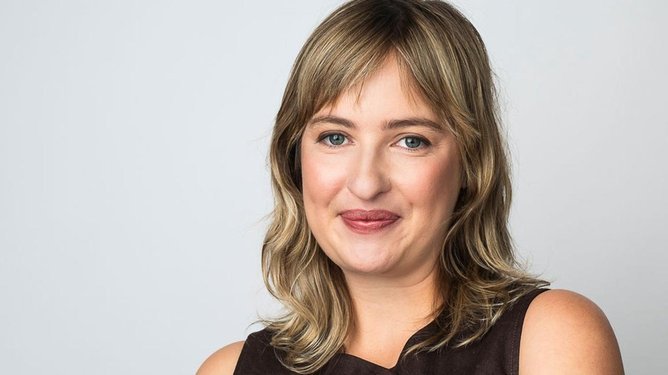
Reproductive health advocate Hannah Bambra, who waited five years to be diagnosed with PMOS, has welcomed the change, saying the new definition reflected her lived experience much better
“When I first went to the GP to tell her I hadn’t had my period for months, I felt entirely dismissed,” the 34-year-old said.
“I think the name change to PMOS is really important for recognising this as a lifelong and whole body condition.”
Ms Bambra did not have ovarian cysts and struggled to get a formal diagnosis that would ease her access to care, treatment and cheaper reproductive technology.
“If someone has PMOS and wants to get pregnant, they get told to ‘start trying early’. If you’re single or not ready, it’s important to know what’s going on with your body and have access to healthcare,” she said.
Ms Bambra – looking into getting pregnant – said recognition of the nuanced impacts of this condition made her hopeful for the future.
Immediate change in diagnosis
Australian health experts have led the charge in the global efforts for the redefinition, with some calling it a “well overdue” redefinition that will clear up widespread diagnostic confusion and speed up breakthroughs in fertility research.
It’s expected to take three years to re-educate the health workforce and systematically implement the change, but practitioners are likely to change their approach immediately, with some arguing they have known for a long time the condition had nothing to do with cysts.

Beyond ultrasound and cysts
Royal Australian College of General Practitioners women’s health expert Magdalena Simonis said medical professionals knew the previous name was incorrect and a “misnomer” from the beginning.
Evidence now showed women with and without the condition had an equally raised number of cysts, which meant cysts could be completely removed from the diagnostic discussion, she said.
“We now no longer need to perform the ultrasound, unless they’re having other associated symptoms,” Dr Simonis said, describing it as a key outcome.
The ordeal of trying to convince women they didn’t have PMOS was frustrating when an ultrasound report from a radiologist showed that they had multiple cysts, she said, leading to mistrust in health practitioners.
“We’re really empowered now to make a diagnosis,” she said.
Dr Simonis said she was happy with how well the acronym was repurposed.
“We want to be immersing people in the change as rapidly as possible … (PMOS) it’s a really accurate descriptive term of all the implications that this chronic endocrine disorder has on women who suffer from the condition,” she said.

The transition to PMOS showed the condition was a complex, long-term metabolic disorder where the pancreas often played a more central role than the ovaries, Dr Simonis said, warning the disorder put women at a significantly higher risk of developing diabetes and heart conditions, “poorer health outcomes and shorter lives”.
“Insulin resistance is the key for PMOS. That is the key, given that the pancreas produces insulin, not ovaries, but the insulin levels will impact your ovaries and all your other sex hormones and your cortisol,” she said.
“That’s where I think we’re going to do a lot of that amazing research.”
Research and fertility
Fertility Society of Australia and New Zealand vice-president and fertility specialist Simon MacDowell, who was surveyed last year about the name change, is thrilled about the recent announcement, calling it “well overdue”.

“PCOS has really just created a lot of confusion, not only for patients, but also for healthcare practitioners, even to the level of teaching medical students. The medical students just find it very confusing,” he said.
Dr MacDowell said a well-defined disorder also meant better research.
“We can run trials because we can sort of compartmentalise people into groups and then study them more carefully,” he said.
“With PMOS, there’s a variety of different subgroups there as well, and that’s going to really aid the research, which I think will also help us to broadly improve access to reproductive care.”
Dr MacDowell said birth rates across the world were in decline and this critical change was “a small pebble in the bucket” of efforts to stop that, as Australia was among countries grappling with declining birth rates.
“Part of PMOS is infertility and subfertility, difficulty conceiving, and if people reach that diagnosis earlier, then perhaps they’ll seek care earlier as well,” he said.

Heavy psychological toll
The impact of the new terminology extends beyond the physical body.
Clinical psychologist and fertility counsellor Iolanda Rodino believes PCOS may have contributed to dismissed mental health impacts in undiagnosed patients.
Dr Rodino said years of dismissed concerns have taken a heavy toll on some patients’ confidence and self-esteem. For many, being misunderstood created a lingering sense of loss and sadness.
She encouraged anyone experiencing PMOS to consider seeking psychological support.
Dr Rodino said the voices of patients were finally being heard after years of relentless advocacy.
“It has taken a long time and a lot of work from many healthcare professionals, organisations and patients themselves to get to this point,” she said.

“Under the previous name, where up to 70 per cent of patients were undiagnosed, associated mental health impacts (such as depression, anxiety, stress, sleep issues, body image issues, disordered eating) may have been minimised as life circumstances, rather than being recognised as having a physiological basis tied to hormonal and metabolic disregulation.”
By explicitly including the terms “polyendocrine” and “metabolic” into the diagnosis, she said, the medical community was now validating that the emotional and psychological distress patients experienced was likely biological symptoms of the disease, rather than just natural reactions to weight gain or potential infertility.