
Source : Perth Now news
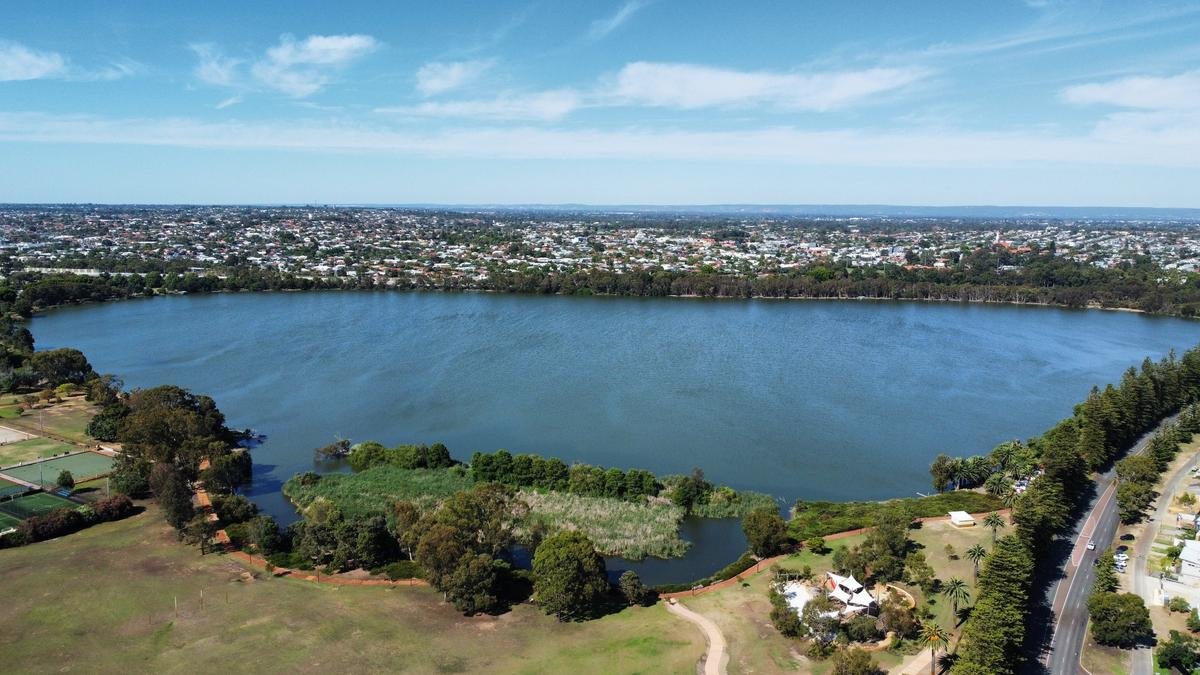
Galup/Lake Monger is currently facing what residents describe as a “devastating deterioration” of its ecological health after becoming the latest Perth lake to become infested with a toxic algae species.
During Tuesday’s council meeting, members of the Friends of Galup presented a grim picture of a body of water that is rapidly becoming a “no-go zone” for the community and once-prolific wildlife.
The Town of Cambridge has confirmed the presence of cyanobacteria, commonly known as blue-green algae, which is capable of producing toxins that can cause illness in people and animals.
While the town has installed warning signs and is continuing to undertake testing, residents fear the lake’s many informal access points leave children and pets vulnerable to accidental contact with the contaminated water.
It is the latest lake to become infested with the algae this year, after PerthNow reported similar discoveries at Lake Gwelup and Jackadder Lake in Perth’s north, as well as Lake Hurlingham and Lake Douglas in the city’s southern suburbs.
The University of WA’s School of Agriculture and Environment research fellow Leah Beesley said algal blooms were not unusual occurrences across Perth wetlands and waterways but the frequency and severity of blooms was exacerbated by human activity.
“These nuisance events are actually a natural part of wetland systems and occur across Perth every year,” Dr Beesley said.
“Unfortunately, we’ve made things a lot worse because we’ve put additional nutrients into our waterways and changed how water moves across the landscape.”
The blooms are often triggered by a combination of warm temperatures, low water movement and elevated nutrient levels. Storms wash fertilisers and nutrients into waterways then warmer conditions allow algae populations to rapidly expand.
According to Friends of Galup member Robin Walsh, the lake has also experienced a sharp drop in bird life, which has been in decline over the past three years.
“This body of water has been seriously degraded,” Ms Walsh said.
“It’s no longer viable for us to bring education groups to view the bird life as now it barely exists.
“While the black swan is the centerpiece of the town’s logo, there have only been about a dozen or so at the lake so far this year.”
Ms Walsh said other once-common species, such as egrets, spoonbills and pinkhead ducks, were now reportedly absent.