Source : INDIA TODAY NEWS
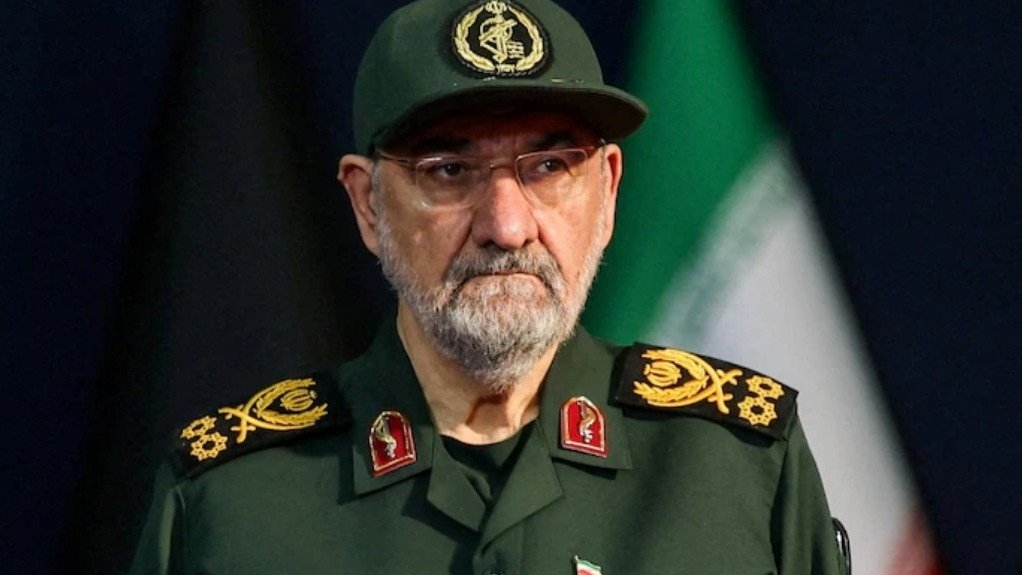
Iran’s new national security chief said on Sunday that Tehran plans to announce an “exclusion zone” outside the Strait of Hormuz for vessels it believes are trying to pass through the key waterway. The remarks came a day after the US struck three Iranian oil tankers in response to Tehran launching ballistic missiles at US warships.
The proposed zone, described by Mohsen Rezaei in comments to Iran’s state broadcaster, was announced with few details. The latest exchange has added to tensions around the strait, which has again become a focal point after the US and Iran resumed attacks last week following a month of relative calm.
advertisement
Experts described the missile launches as a dangerous escalation after Iran’s previous attacks at sea had targeted commercial shipping. Rezaei said the new zone would be announced in the coming days and weeks and “will begin from the line of the US naval blockade, extend toward the Strait of Hormuz, and from this side continue into the Persian Gulf”.
“Any ship that enters this area with the intention of passing through the Strait of Hormuz and is identified will be placed on our sanctions list,” he said.
It remains unclear where Iran places the weekslong US naval blockade, which is aimed at Iranian ports and stopping Tehran from exporting its oil. The US military has said more than 20 warships are supporting the blockade, which by Sunday had redirected 92 commercial ships and disabled three.
The US has been rolling out new measures to increase economic pressure on Iran after negotiations collapsed and with no end in sight to the intermittent fighting. At the same time, Iran has continued to attack some ships trying to pass through the strait, which has become an important source of leverage for Tehran in the war that began on February 28 with US and Israeli strikes.
Earlier on Sunday, Iran said it had struck an unmanned US vessel trying to enter the Strait of Hormuz, a claim the US military dismissed as a “total lie”.
The US and Iran resumed attacks last week after a month of relative calm, with the Strait of Hormuz and areas along Iran’s southern coast again coming under attack. Earlier in the week, at least five people were killed in a US bombardment that brought renewed attention to the area where a school was hit in the opening strikes of the war.
The Trump administration appears to have adopted a two-pronged approach to the conflict, responding militarily to attacks on the strait while also targeting foreign financial institutions that handle Iran’s money. But Tehran’s new hard-line senior leaders, including Rezaei, have signalled they are prepared to hold their ground after weathering decades of sanctions. Iran has over the years found ways to circumvent sanctions and now the US blockade of its ports to get oil to buyers and ease growing economic pressure.
On the collapse of talks with Washington, Rezaei said Iran was now wary not only of the US but also of mediators. The memorandum of understanding signed by the US and Iran in mid-June began to unravel within days, with both sides accusing each other of violating it. “We had trusted our friends in Pakistan, Qatar or Oman, thinking that since they had stepped in as mediators, one of a mediator’s responsibilities is that if one side violates the agreement, they should stop them,” Rezaei said. “We are now pursuing diplomacy with guarantees.”
The Strait of Hormuz remains vital for global oil and natural gas shipments and had been regarded as an international waterway before the war began. On Sunday, US Energy Secretary Chris Wright said an average of nine million barrels of oil a day were passing through the strait, which he said should help ease pressure on energy prices. His estimate appeared to be higher than average flows over the past 28 days, according to TankerTrackers.com and other sources.
Wright told CNN that with oil also moving through pipelines in the region, “we’re probably two-thirds or more of preconflict flows”. But he said those flows depend on the US Navy escorting tankers and providing some protection against possible Iranian attacks, adding that he expected other countries would eventually support those efforts. In the same interview with state television, Rezaei claimed that “every day we are selling one million, one and a half million (barrels), as if Iran’s oil production and trade are continuing as usual”.
The latest statements from Tehran and Washington underlined how the Strait of Hormuz remains central to both the military confrontation and the wider battle over oil flows, sanctions and diplomacy.
– Ends
SOURCE :- TIMES OF INDIA