Source : Perth Now news
Consistent information and methods are needed to protect communities at risk of flooding, according to a global engineering consultancy.
It has been estimated that about 1.4 million properties in Australia are at risk of flooding.
The 2010-11 Queensland floods cost the Australian economy about $30 billion. The Insurance Council of Australia has proposed establishing a $30 billion flood defence fund to protect at-risk communities from severe weather.
In April the City of Mandurah backed a coastal hazard risk management and adaptation plan intended to manage the impacts of erosion, rising sea levels, flooding and severe storms on Mandurah’s ocean-facing coastline from Roberts Point in Halls Head to the city’s southern boundary in Clifton.
Its proposed actions include new planning rules for areas considered vulnerable to coastal erosion and/or inundation and the creation of a coastal management fund.
In June the Shire of Murray adopted a foreshore management plan and conservation management strategy to try protect a State heritage-listed site.
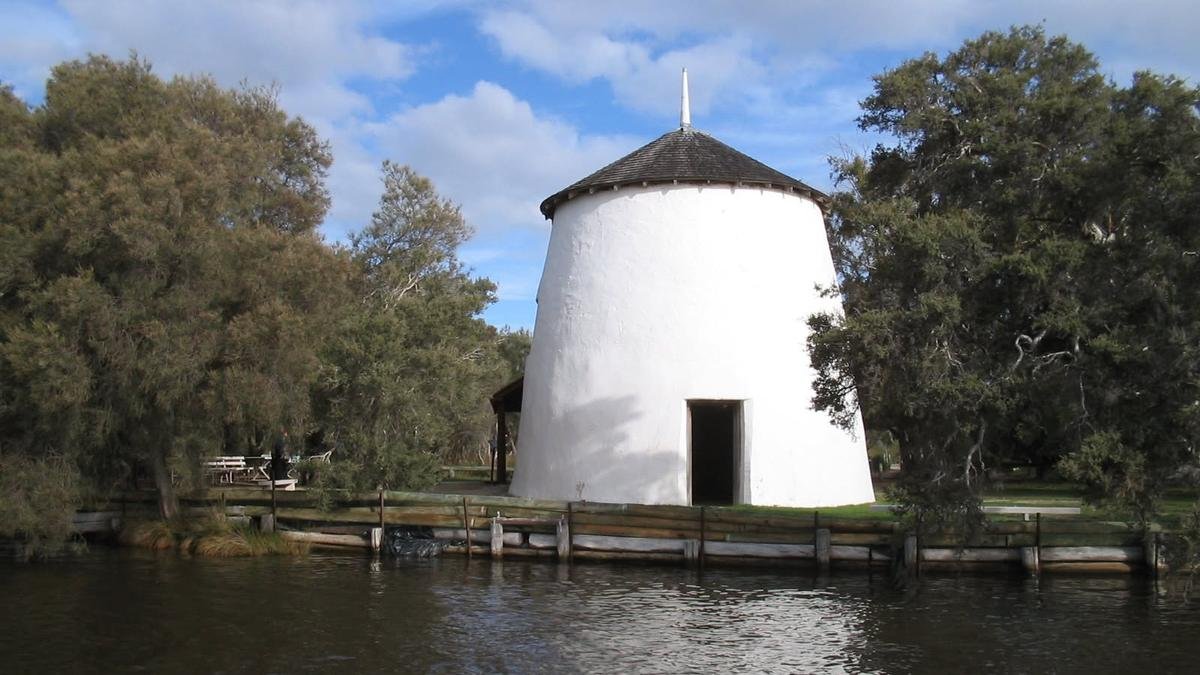
Cooper’s Mill is on the northwestern end of Cooleenup Island, part of the Murray River delta, where the river enters the Peel Inlet.
It contains a historic flour mill, a caretaker’s residence and recreation areas and is listed on the State Register of Heritage Places.
According to the site’s caretaker, water from the estuary comes inside the mill building five to 10 times most winters, sometimes up to a metre deep, and can linger for up to a week.
The foreshore plan focuses on managing erosion and inundation risks, while the conservation plan focuses on protecting the heritage significance of Cooper’s Mill.
Shire president Douglas McLarty said at the time waterways defined the Murray region.
“Sadly, they also face increasing pressures from environmental changes and are increasingly vulnerable to both coastal inundation and erosion,” he said.
“We know this is a key concern for our community, particularly those living in close proximity to our shorelines.
“We therefore seek opportunities to engage with State Government to discuss investment, collaboration and long-term solutions that protect our communities.”
Ryan Nguyen, a senior coastal engineer for professional services firm Hatch, said different States used different planning instruments to prepare for flooding.
He said decisions by councils were harder to explain, prioritise and defend when studies were delivered site-by-site using different assumptions and methods.
“Governments can take proactive steps to manage erosion-prone areas, scope where to build critical infrastructure away from high probability areas, consider where strict development control should be, and where they could build seawalls or dikes to prevent erosion and inundation, or undertake recovery measures like dune rehabilitation and beach nourishment,” Mr Nguyen said.
“Australia is a vast continent surrounded by water and our coastlines are a big part of what makes our backyards so special — they need to be carefully managed.
“Our coastlines are exposed to threats and pressures including erosion and rising sea levels, population growth, recreational activities and coastal development.
“In safeguarding coastal communities from coastal hazards, we also preserve our wider natural environment, vital infrastructure, businesses, economies, and our homes.”
He said coastal defences offered protection only for certain events, such as a one-in-a-hundred-year storm tide sea level, but the residual risk needed to be addressed by identifying which areas were vulnerable.
“It is about building an evidence base that supports clear choices, staged action, and honest communication about residual risk,” Mr Nguyen said.